Material Guide
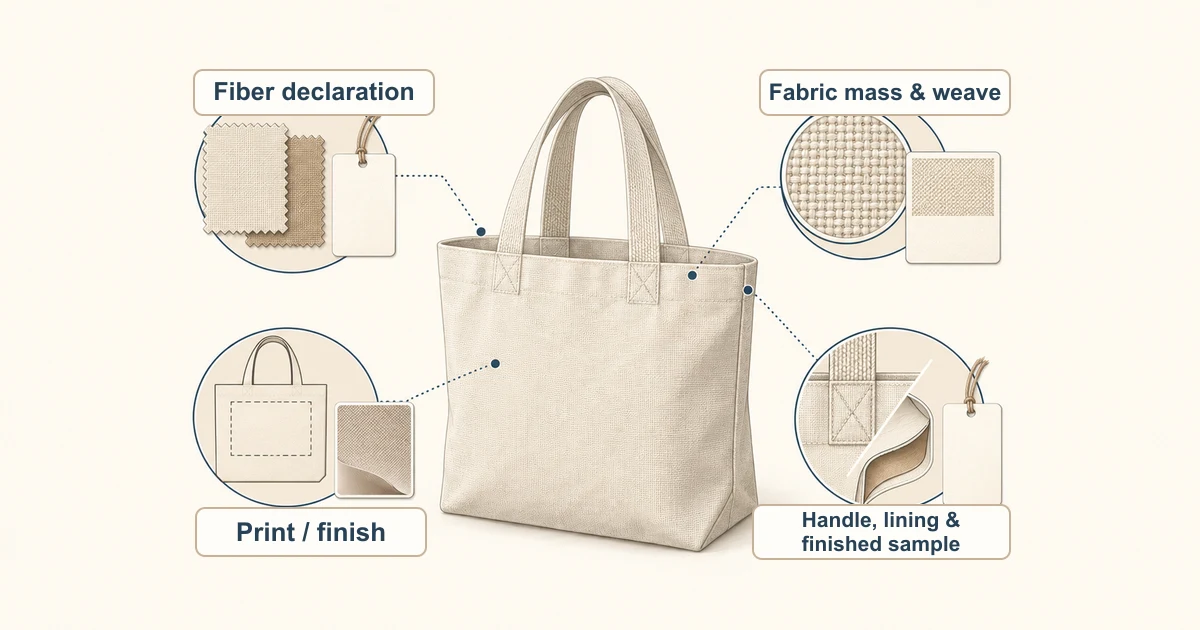
Canvas Bag and Canvas Tote: Weight, Weave, Printing and Lining Guide
Separate canvas, cotton and cloth terms, then record fabric mass, weave, print, handles, lining and an identified loaded sample for a B2B bag project.
Everything about leather, vegan leather, fabrics, hardware and lining for custom handbags.
Separate canvas, cotton and cloth terms, then record fabric mass, weave, print, handles, lining and an identified loaded sample for a B2B bag project.
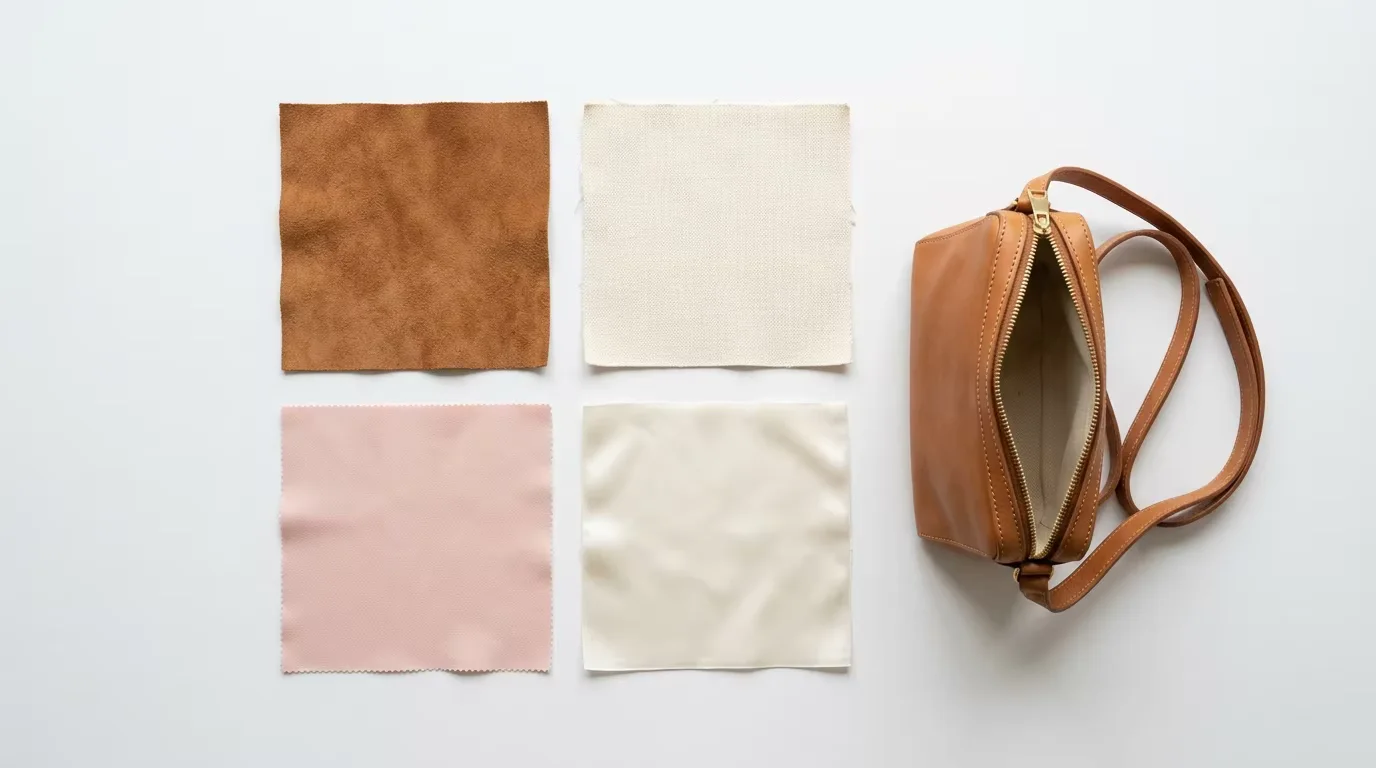
Lining is the most under-specified detail in handbag development, yet it's the first thing a customer touches. Here is how each lining material performs and which bag types it suits.
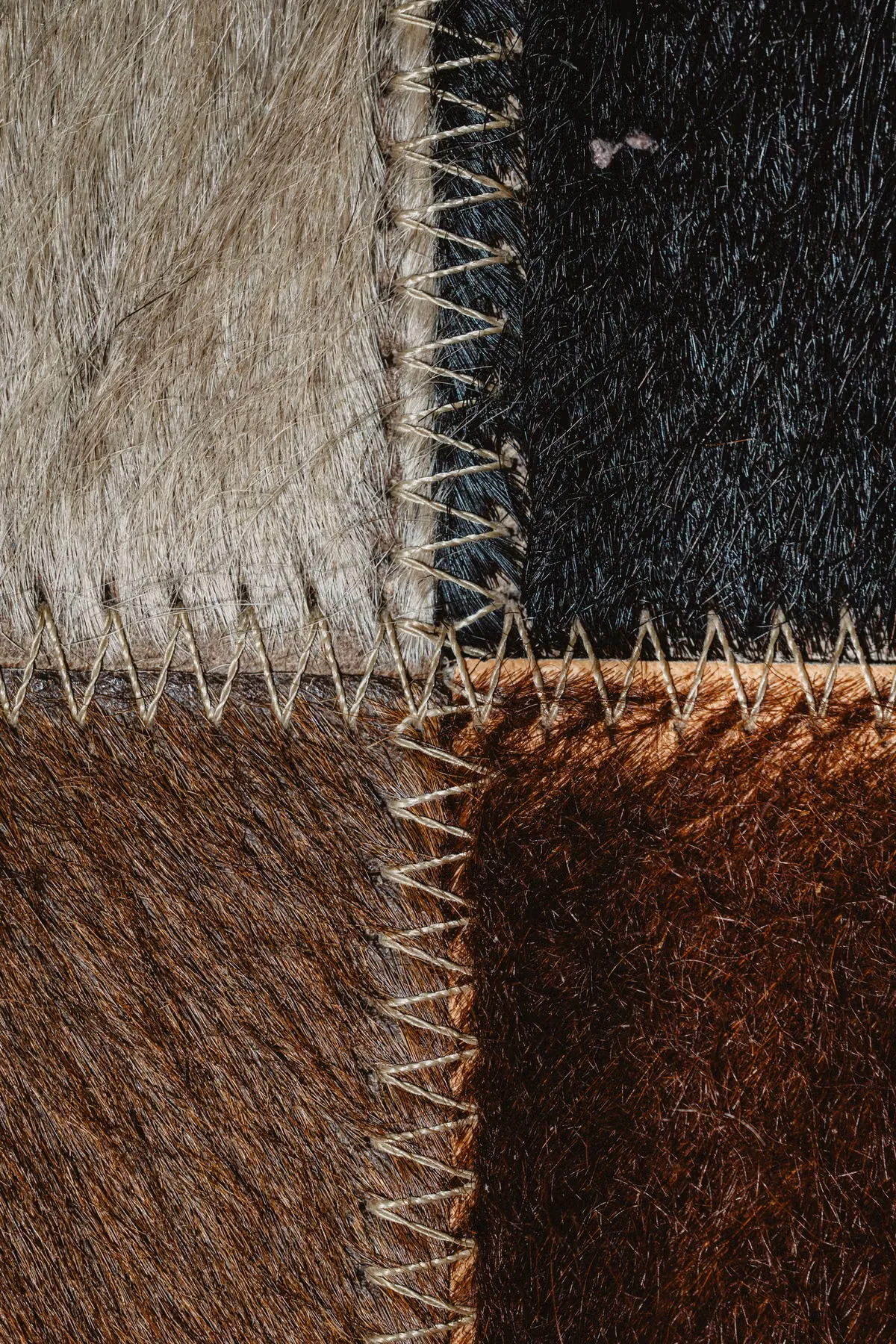
How each material actually fails over time, not marketing claims, should drive the vegan-versus-genuine decision. Here is how to compare them on one project brief before committing.
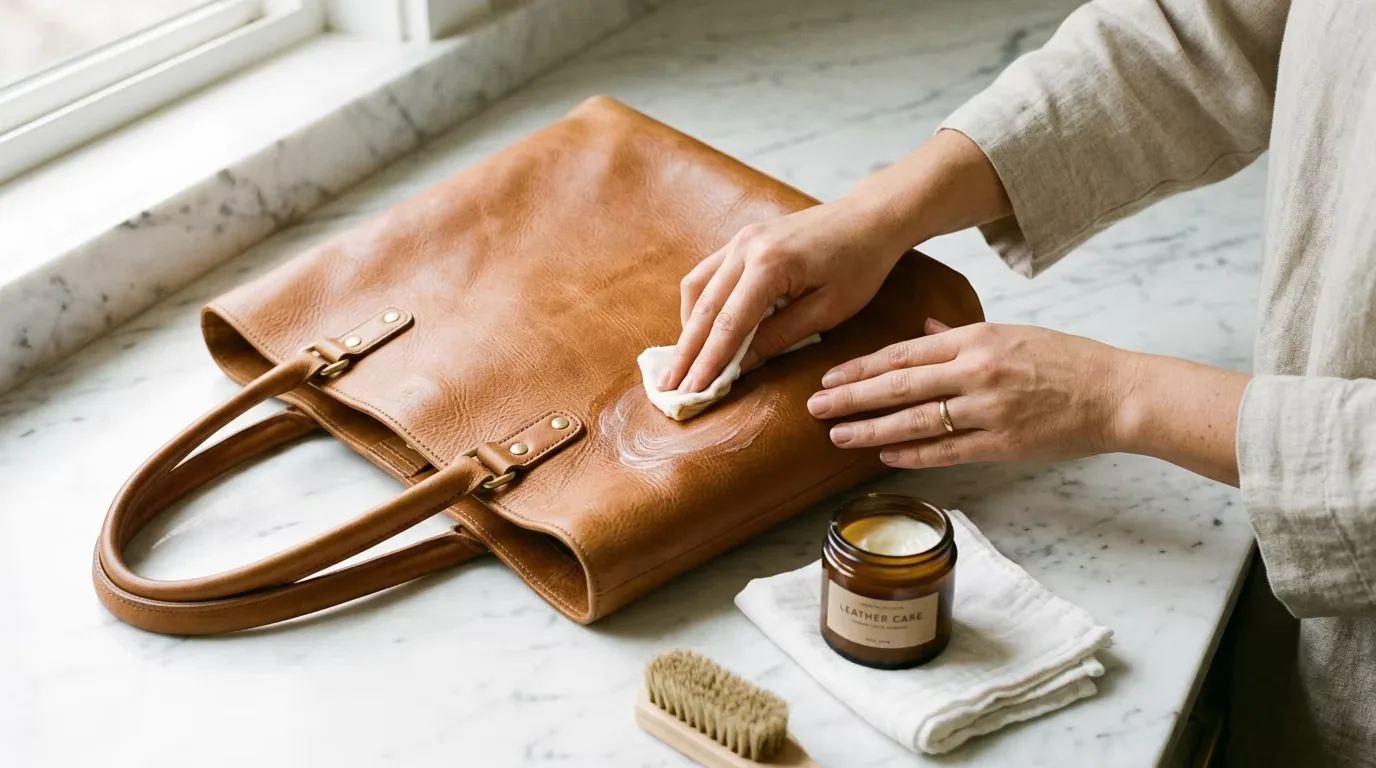
Leather care guidance is a return-rate lever, not packaging filler. Here is the maintenance routine, material-specific differences, and how to turn it into customer-facing content before launch.
Tannage and finish determine how a leather bag feels, ages and costs. Compare chrome, vegetable and combination tanning, and what to confirm with a factory before locking a material spec.
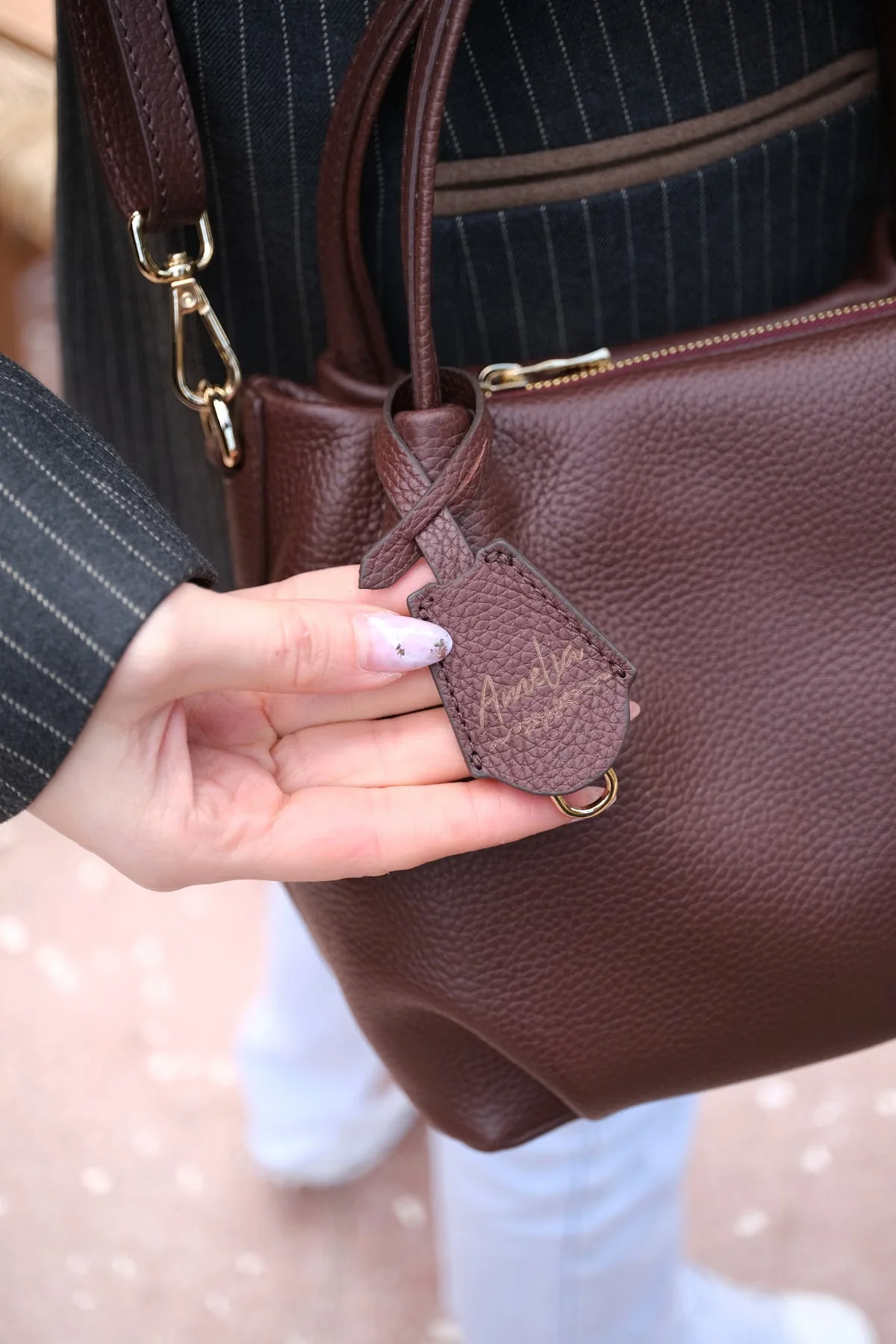
Compare gold, silver, gunmetal and antique brass handbag hardware, then prepare finish, wear and sample-approval questions for your next sourcing project.

Texture is a production and durability decision, not just an aesthetic one. Here is how pebbled, smooth and suede actually perform, and how to match each to a specific brand positioning.
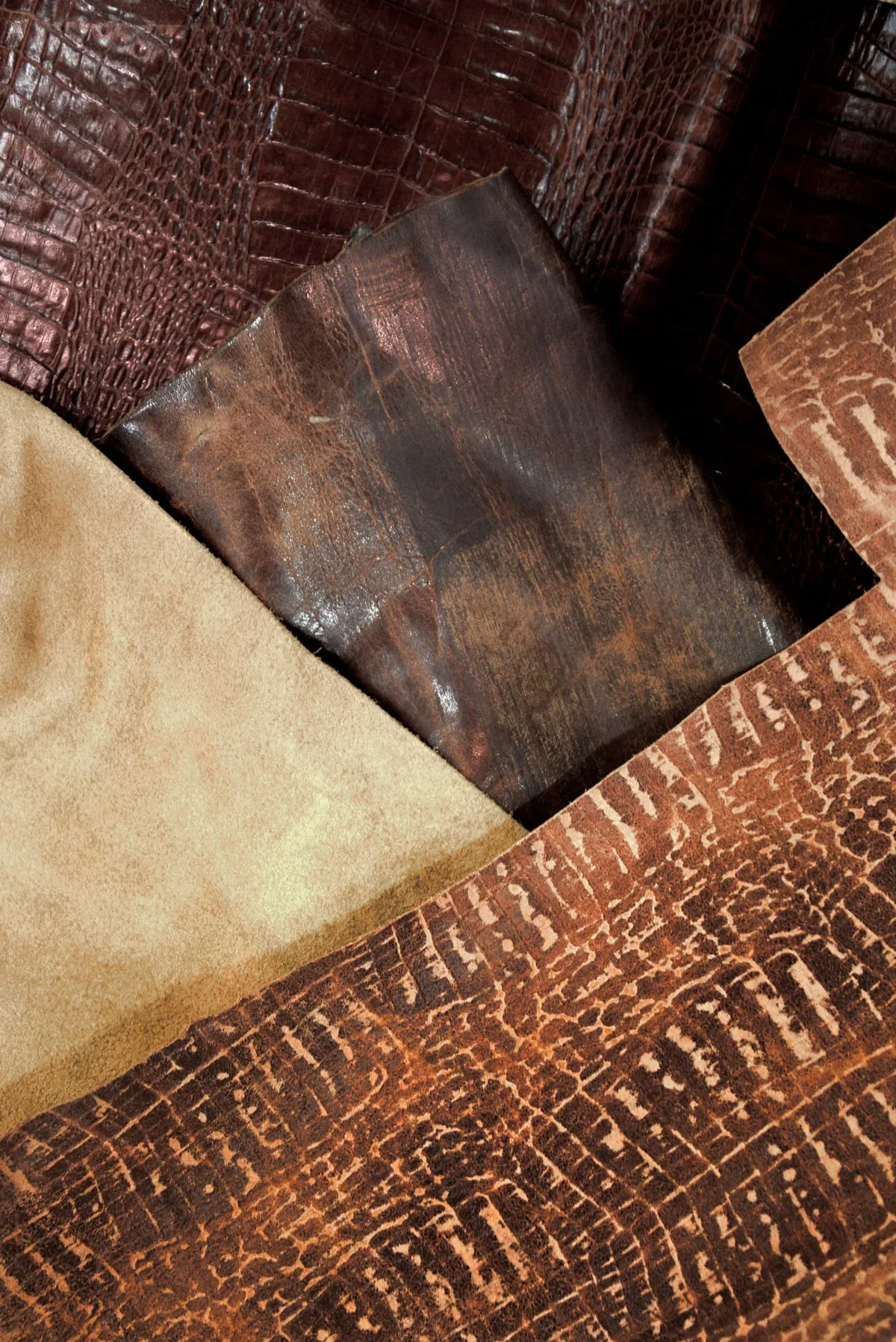
Compare full-grain, top-grain, “genuine leather” and bonded leather as material descriptions rather than one universal quality ladder, and learn what B2B buyers should verify in specifications, samples and destination-market claims.
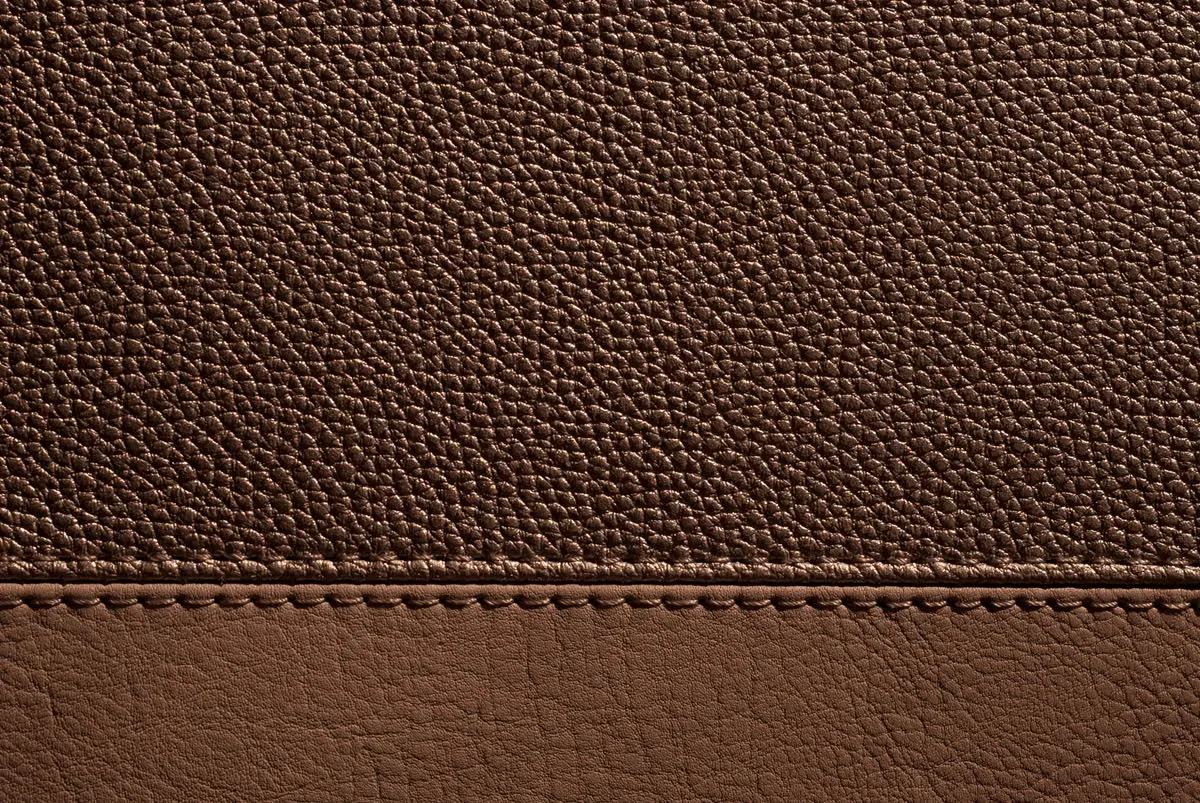
Full-grain and top-grain leather differ in patina, uniformity and cost, not just price. Here is how to identify each grade and match it to a specific collection's positioning.