When you're sourcing leather handbags at wholesale — whether you're building a private label brand, stocking a boutique, or developing an OEM product line — the single most consequential decision you'll make is leather grade.
Most buyers know there are different types of leather. Few understand exactly what those differences mean in practice: how they affect the look, the feel, the durability, the aging, the manufacturing process, and ultimately the retail price your product can command.
This guide covers everything you need to know about the two most commercially significant leather grades — full-grain and top-grain — so you can make an informed decision for your next order.
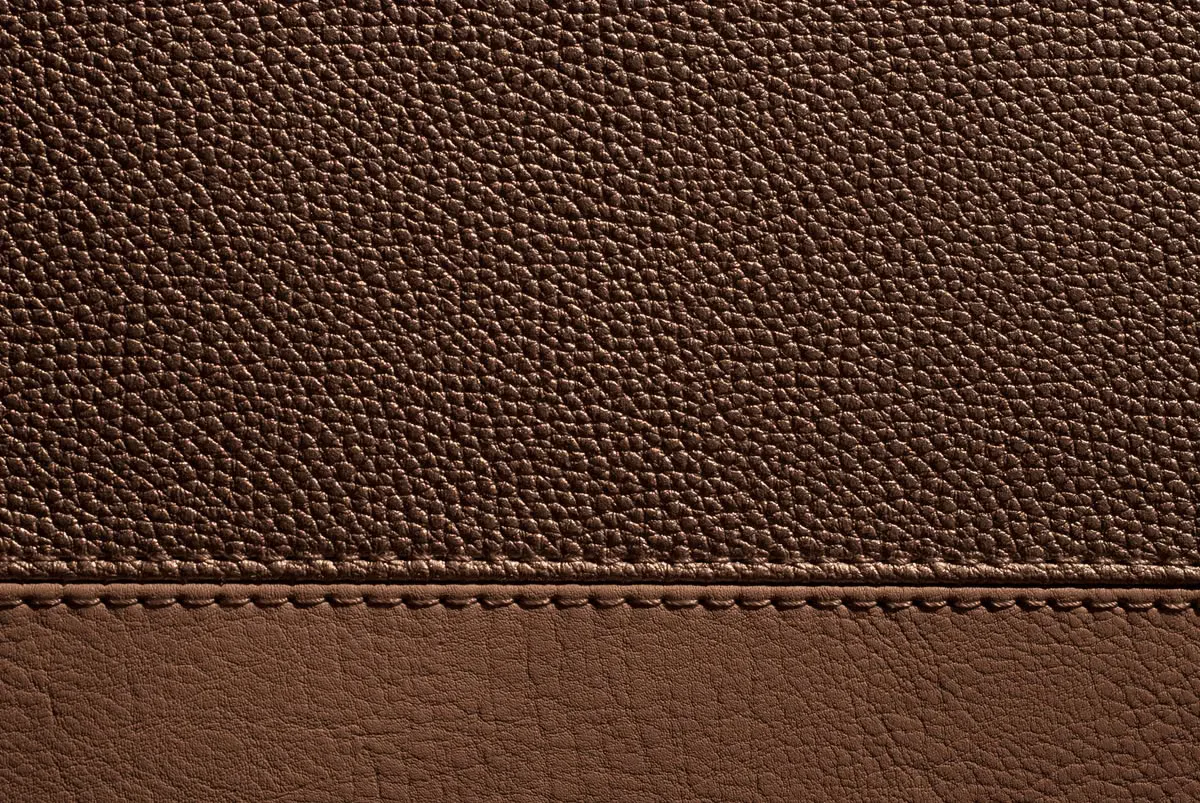
What Is Full-Grain Leather?
Full-grain leather is the highest quality grade of leather available. It comes from the top layer of the hide — the grain side — and is processed with minimal surface alteration. The natural grain pattern, pores, and any minor scars or marks from the animal's life are left intact.
Characteristics of Full-Grain Leather
Natural surface: Because the grain is not sanded or buffed, full-grain leather retains its original texture. Each hide looks slightly different, which gives products made from full-grain leather a handcrafted, one-of-a-kind quality.
Develops a patina: This is the defining characteristic that separates full-grain from every other leather type. Over months and years of use, full-grain leather develops a rich, darkened patina — a surface sheen that forms from the oils in your hands, exposure to light, and general handling. This patina is considered beautiful and desirable. A well-used full-grain leather bag looks better at five years than it did on day one.
Extreme durability: The intact grain layer is the strongest part of the hide. Full-grain leather products — when properly cared for — can last decades. This is why full-grain leather is used in heritage boot brands, high-end saddlery, and luxury handbags designed to be passed down.
Breathable: The natural pores in full-grain leather allow it to breathe, which means it resists moisture better than corrected or coated leathers. It absorbs small amounts of moisture and releases it as it dries, rather than trapping it against the surface.
Higher cost: Because full-grain leather uses only the finest, most blemish-free sections of the hide — and requires skilled craftspeople to work with it consistently — it commands a significant price premium. Expect to pay 40–80% more per unit compared to equivalent top-grain products.
When to Use Full-Grain Leather
Full-grain leather is the right choice when:
- Your retail price point is $200+ and you need the quality to justify it
- Your brand story centers on heritage, craftsmanship, or longevity
- Your target customer values aging and patina as a feature, not a defect
- You are building a heirloom-quality product line
What Is Top-Grain Leather?
Top-grain leather is the second-highest quality grade and by far the most widely used material in the commercial leather goods industry. Like full-grain, it comes from the top layer of the hide — but it undergoes an additional surface treatment that fundamentally changes its character.
The surface of top-grain leather is lightly sanded or buffed to remove natural blemishes, scars, and imperfections. The resulting surface is then finished — either with a pigment coating, an embossed grain pattern, or both — to create a uniform, consistent appearance.
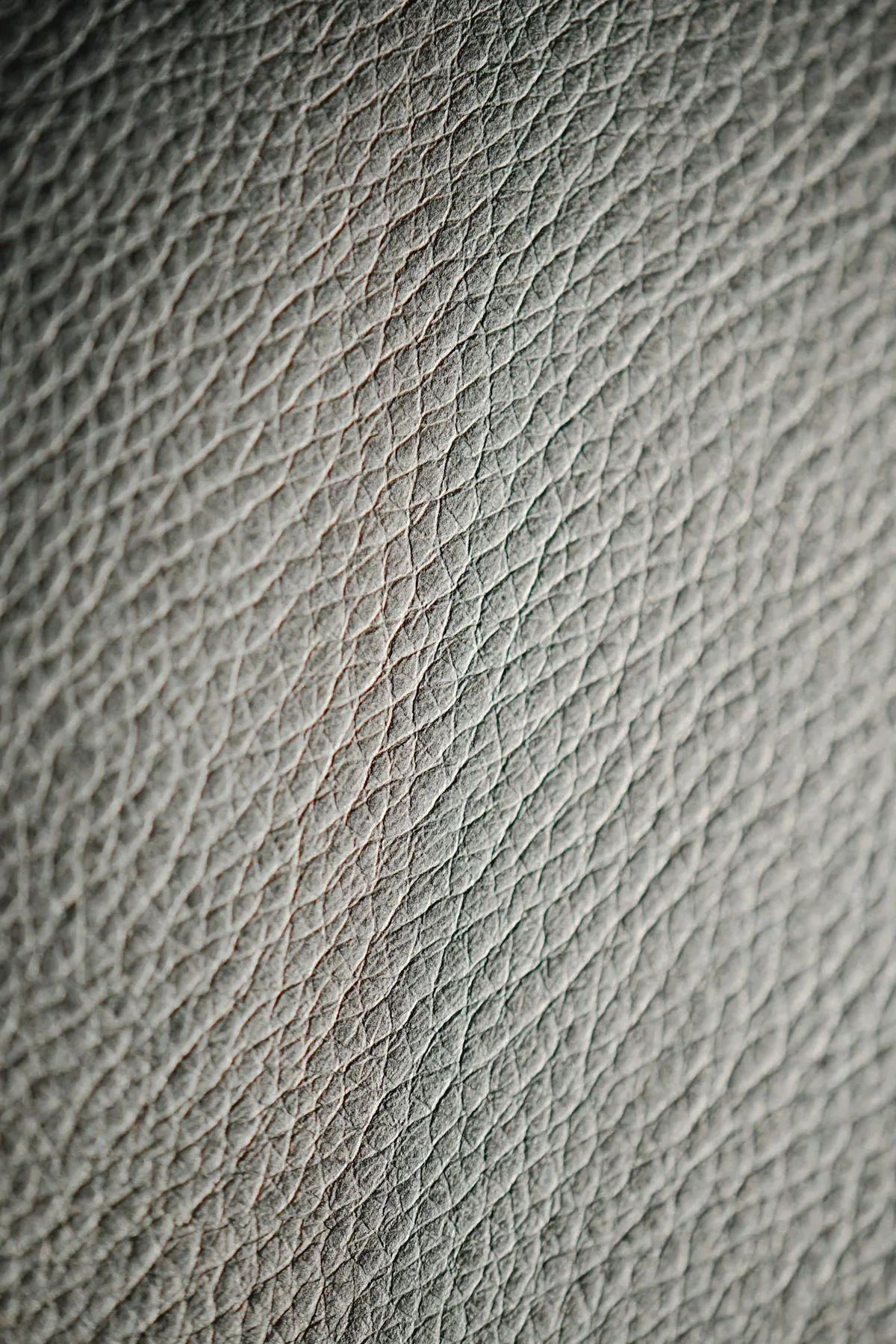
Characteristics of Top-Grain Leather
Uniform appearance: Because the surface is finished to remove natural variations, top-grain leather looks consistent across an entire production run. When you order 200 bags, they will all look essentially identical — which is critical for brand consistency.
Resistance to staining: The surface coating on top-grain leather acts as a barrier against oils, water, and light staining. This makes top-grain bags easier to maintain in daily use — a practical advantage for working professionals and everyday carry.
Does not develop patina: The coating prevents the natural aging process that gives full-grain its character. Top-grain leather looks good on day one and continues to look roughly the same for years, but it will not develop a patina. Some buyers see this as a limitation; others see it as a feature.
More consistent workability: Because the surface is uniform and the leather has been treated for consistency, top-grain is easier to cut, stitch, and finish in a factory environment. This translates to lower labor costs and more predictable output quality.
Mid-range pricing: Top-grain leather offers an excellent balance of quality and cost. It is genuine leather — not bonded or faux — and provides strong durability and good aesthetics at a price point that allows for healthy retail margins across mid-to-premium price ranges.
When to Use Top-Grain Leather
Top-grain leather is the right choice when:
- Your retail price point is $80–$250
- You need consistent appearance across large production runs
- Your customer prioritizes easy maintenance and everyday practicality
- You want genuine leather quality without the cost premium of full-grain
Side-by-Side Comparison
| Feature | Full-Grain | Top-Grain |
|---|---|---|
| Surface treatment | Minimal — natural grain retained | Sanded/buffed, then finished |
| Appearance | Natural variations, unique per hide | Uniform, consistent |
| Patina development | Yes — ages beautifully | No — maintains original look |
| Durability | Exceptional — 20+ years with care | Very good — 5–15 years |
| Stain resistance | Lower — absorbs more readily | Higher — surface coating protects |
| Breathability | High — natural pores intact | Moderate — some pore restriction |
| Manufacturing consistency | More variable — requires skill | High — easier to standardize |
| Cost (FOB Guangzhou) | $35–$65 per unit | $22–$45 per unit |
| Best retail price range | $180–$500+ | $80–$250 |
The Grades Below: What to Avoid
For completeness, it helps to understand what sits below full-grain and top-grain in the leather hierarchy.
Genuine leather (split leather): This is made from the lower layers of the hide — the part left over after the top-grain layer is separated. It is technically real leather but is significantly weaker, more prone to cracking and peeling, and lacks the longevity of top-grain or full-grain. In the wholesale market, this material appears in budget-tier products. It is acceptable for fashion accessories with a short intended lifespan, but it is not suitable for positioning as quality goods.
Bonded leather: Essentially leather scraps and fibers ground up and glued to a backing. It looks like leather on the surface but delaminates and peels within 1–3 years. Avoid it for any product you want to stand behind.
PU / vegan leather: Not leather at all — a polyurethane-coated fabric. Some vegan leather products have improved significantly in recent years, but they cannot replicate the breathability, aging, or longevity of genuine leather. If your brand positioning requires genuine animal leather, this is not a substitute.
How to Identify Leather Grade When Sourcing
When you're evaluating samples from factories, here is how to assess what you're actually looking at:
The edge test: Cut or look at the edge of the leather (inside a seam, on the underside). Full-grain and top-grain leather will show a fibrous, layered cross-section. Bonded leather will often show a fabric backing.
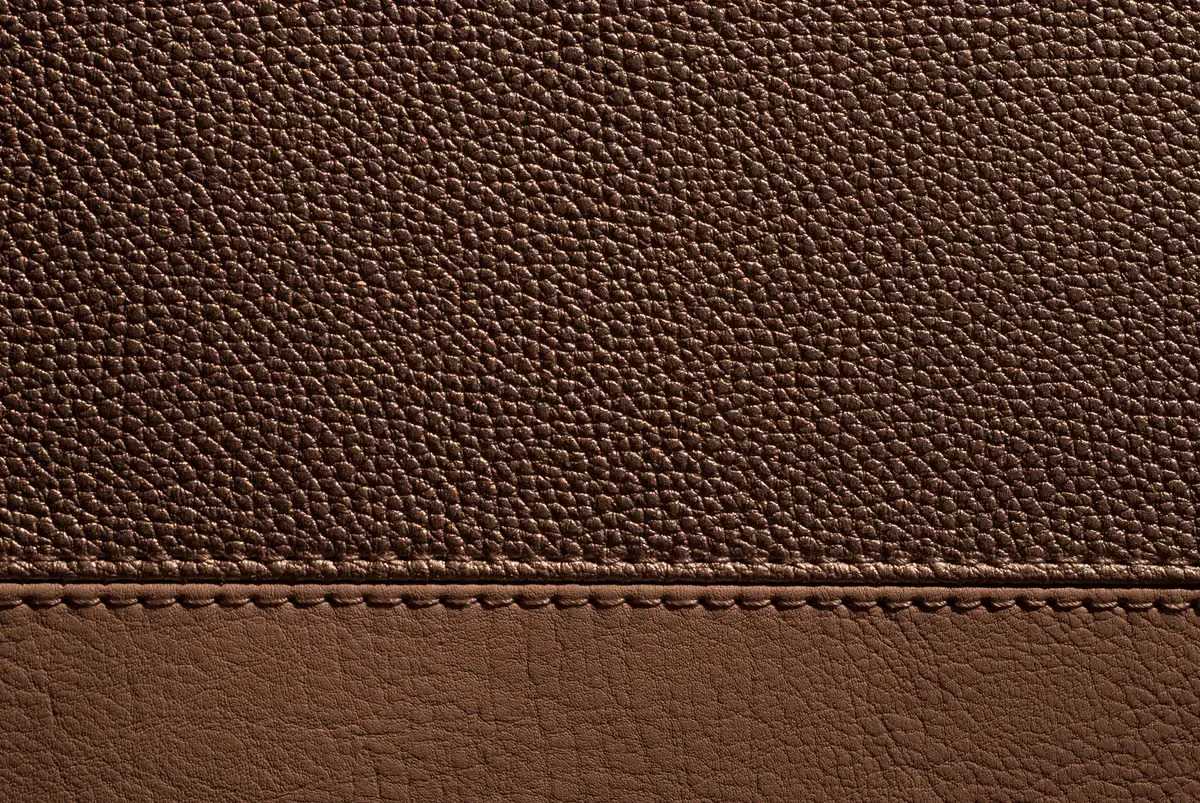
The pore test: Under good lighting, look closely at the surface. Full-grain leather shows natural, irregular pores — the pattern varies. Top-grain leather has a more uniform pore pattern, often slightly compressed or with a consistent embossed grain. If the pattern looks completely perfect and repetitive, it may be embossed PU.
The scratch test: Gently scratch the surface with a fingernail. Full-grain and top-grain leather will show a slight whitening or scratch mark that disappears when rubbed — the natural fat in the leather rises to the surface. Synthetic materials typically show a more permanent scratch or no reaction at all.
The water test: Place a small drop of water on the surface. Full-grain leather will absorb it within 30–60 seconds. Top-grain leather will resist it longer due to the surface coating. PU will bead it off entirely.
Ask your factory directly: A reputable factory will clearly state the leather grade and be able to show you the tannery documentation. If they are vague about the source or grade of the leather, that is a red flag.
Making the Right Decision for Your Brand
There is no universally correct answer between full-grain and top-grain. The right choice depends on your positioning, your customer, your price point, and your production volume.
If you are building a heritage brand with a strong craftsmanship narrative and a customer who will pay $300+ for a bag they expect to own for ten years — full-grain is your material.
If you are developing a contemporary fashion brand targeting working professionals at the $100–$200 retail range, with a focus on clean aesthetics and easy maintenance — top-grain is the smarter, more margin-efficient choice.
Many successful brands use both: full-grain for a flagship or signature line that anchors the brand's quality story, and top-grain for the broader commercial collection that drives volume.
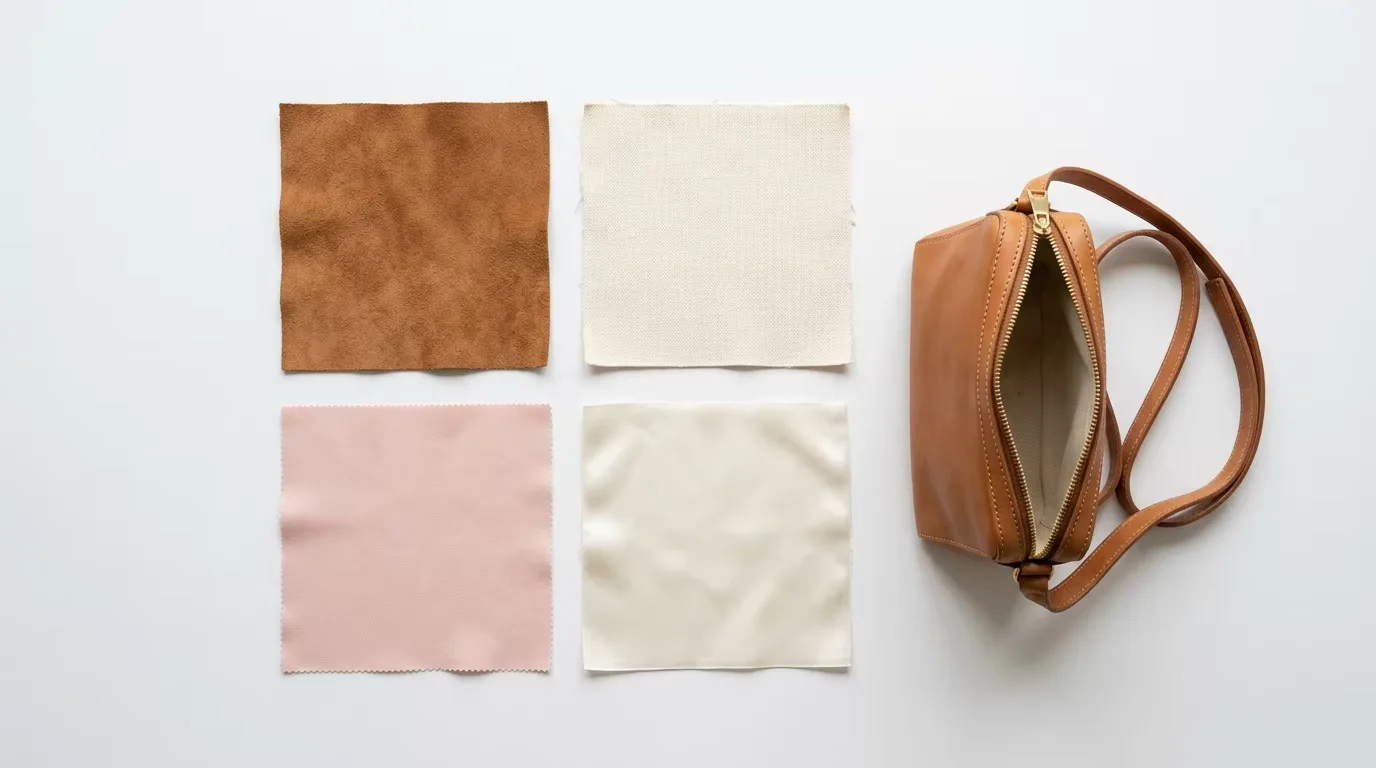
At Celynora, we work with both grades across our product range. Our factory sources leather from certified tanneries in Guangdong and has the expertise to advise you on which grade is appropriate for your specific product and market. If you're unsure, our team can help you evaluate sample swatches and make the right call before you commit to a production run.
Browse our leather handbag catalog or contact us to request samples and pricing for both grades.
B2B Buyer Checklist
Before you request a quote, prepare the information that affects MOQ, sample cost, lead time and final unit price.
- Target product category, size and reference images.
- Expected order quantity per style and per color.
- Material preference, lining requirements and hardware finish.
- Logo method, packaging items and delivery country.
- Target retail price or target factory price range.
Decision Table
| Buyer Question | Why It Matters | What to Send the Factory |
|---|---|---|
| What is my MOQ target? | MOQ affects material sourcing, production planning and unit price. | Quantity per style, per color and launch schedule. |
| Which material should I choose? | Material controls price band, durability and brand positioning. | Reference photos, desired texture and target market. |
| How much customization do I need? | Logo, lining, hardware and packaging change sample time and cost. | Logo files, packaging references and required details. |
| What is my delivery deadline? | Sampling, production and shipping need realistic planning. | Launch date, delivery country and preferred shipping method. |