Lining is one of the most consistently under-specified elements in wholesale leather bag development. Buyers spend considerable attention on the exterior — material grade, hardware finish, color — and then leave the lining to factory defaults. This is a missed opportunity. The lining is the first thing a customer touches when they open the bag, the surface they interact with every time they reach inside, and a key driver of the perceived quality gap between a bag that feels premium and one that merely looks it.
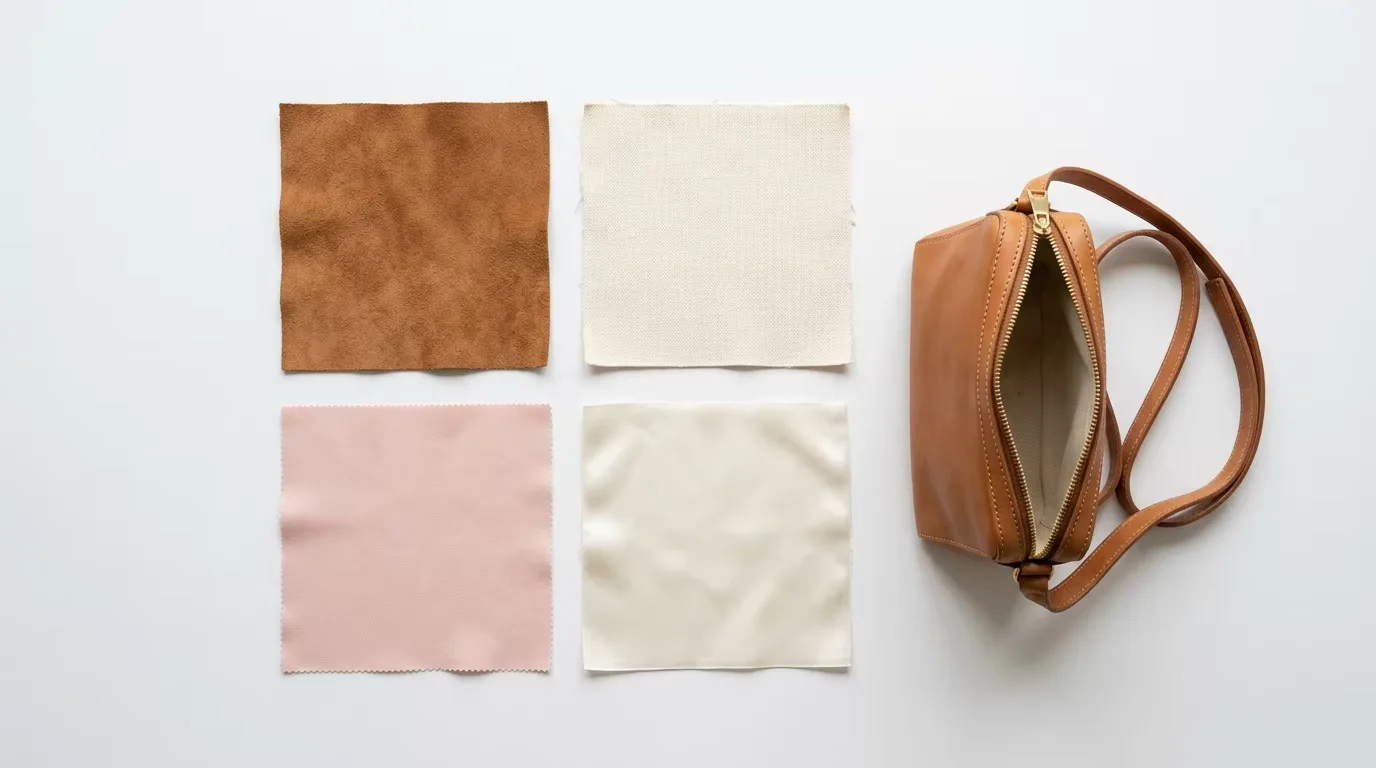
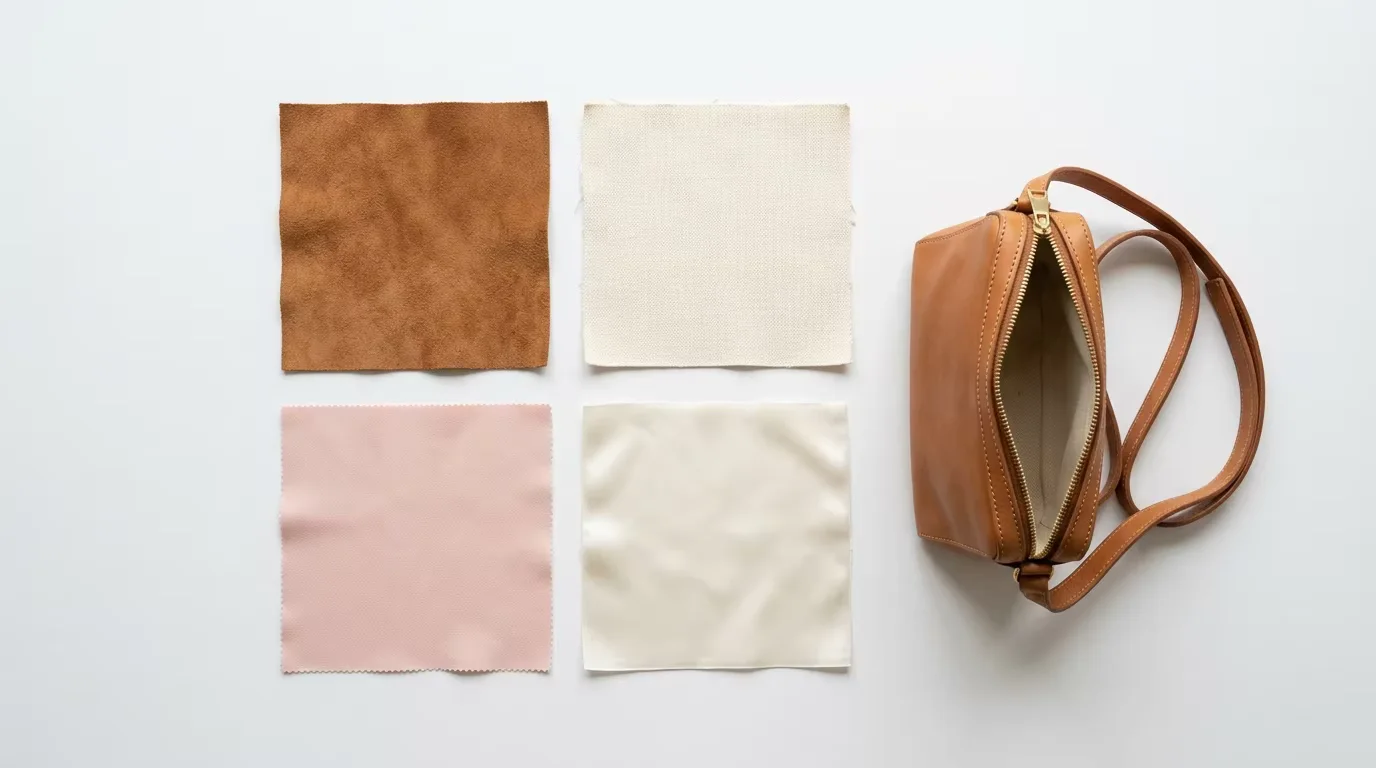
This guide covers the three materials that account for the overwhelming majority of handbag linings in wholesale production — suede, canvas, and polyester — along with the less common but commercially relevant options of satin and printed fabric. For each material, we cover what it is, how it performs in use, and which bag types and positioning it suits best.
Why Lining Specification Matters
The lining serves three functional roles: it protects the interior of the bag from wear and staining, it facilitates smooth access to contents (a slippery lining lets items move freely; a tacky lining makes every retrieval an effort), and it protects items inside the bag from being scratched by the leather or structural elements of the bag body. Beyond function, lining is a significant quality signal — customers who pick up two bags at similar price points and feel a suede interior versus a thin polyester interior will instinctively assign higher quality to the suede-lined bag, regardless of the exterior material.
Polyester Lining: The Industry Standard
Polyester is the dominant lining material in wholesale handbag production globally, accounting for the majority of linings across all price segments from accessible to mid-premium. It is durable, easy to clean, available in virtually any color, and inexpensive — typically adding less than $0.50 to the unit cost of a bag.
Polyester lining comes in several weights and weave structures. Standard polyester at 75–100 denier is the baseline specification — adequate for daily carry bags at mid-market price points. Heavier polyester (150–210 denier) is more resistant to tearing and abrasion and is appropriate for larger bags that will carry heavier loads. Twill-weave polyester has a slightly more substantial feel than plain weave and is often specified for bags positioned at the higher end of the mid-market range.
The limitation of polyester is its association with low quality in the minds of consumers who handle premium bags regularly. In a retail context where your customers are comparing bags across brands, a thin shiny polyester lining in a $180 retail bag will register as a quality compromise. The fix is straightforward: either upgrade to a heavier polyester specification or switch to one of the materials below.
Canvas Lining: Durable and Naturally Premium
Canvas lining in 6–8oz cotton canvas is the most commercially credible upgrade from standard polyester. The natural texture of woven cotton immediately reads as higher quality to the touch. Canvas linings are commonly used in tote bags, leather bucket bags, and any bag positioned at the mid-premium to premium price point.
Canvas can be left in its natural cream or ecru color (which photographs beautifully and contrasts attractively with darker leather exteriors), dyed to a specific color, or printed with a pattern. Printed canvas linings — particularly monogram or geometric patterns — are a strong tool for brand identity building. The lining becomes part of the brand's visual language rather than a hidden functional element.
Practical considerations: canvas is heavier than polyester, adding slightly to the bag's empty weight. For very large bags, this weight addition should be factored into the overall weight specification. Canvas also requires more careful maintenance guidance for end customers — it can absorb ink or cosmetic stains more readily than coated polyester.
Suede Lining: The Premium Signal
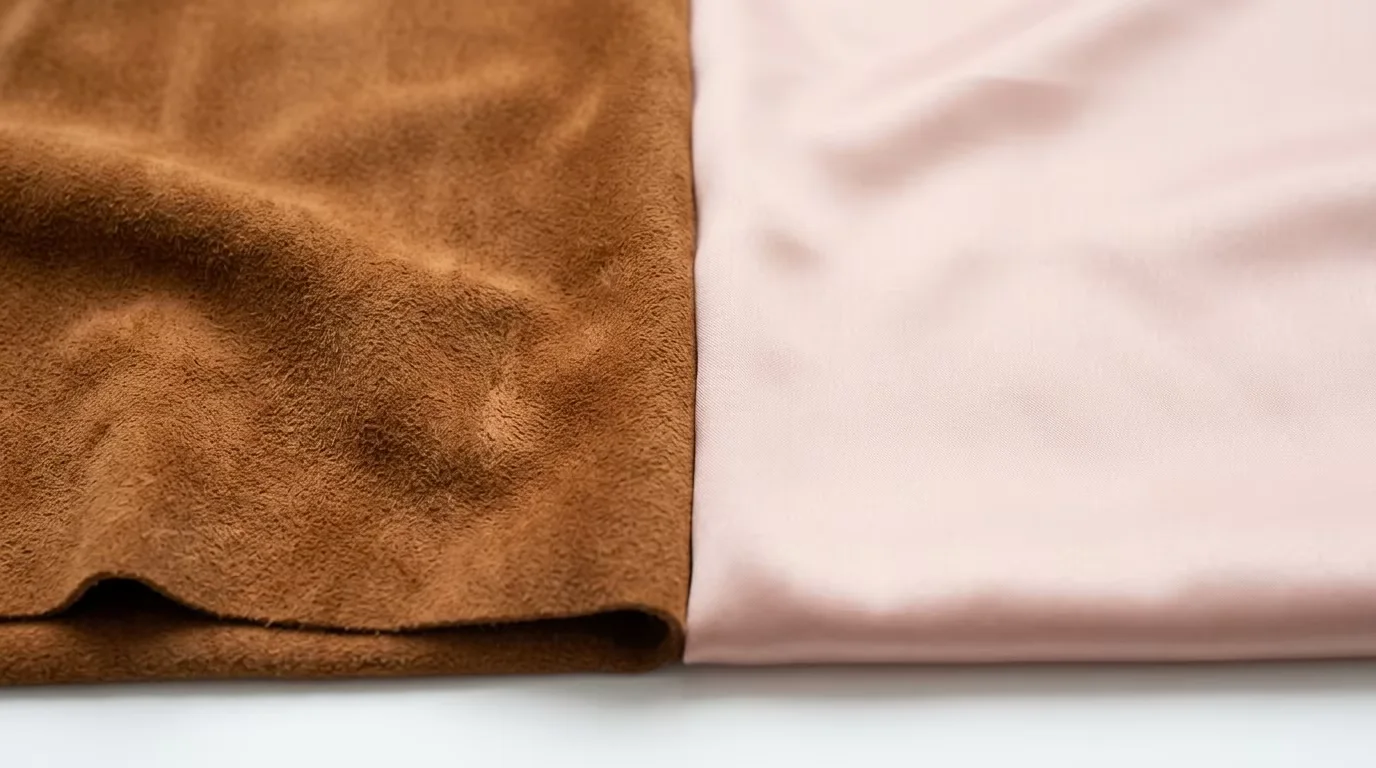
Suede lining — either genuine split-hide suede or high-quality microfiber suede (Alcantara-style) — is the clearest quality signal available in handbag interior specification. The soft napped texture creates an immediate tactile impression of luxury. Any bag lined in genuine suede or premium microfiber suede will feel more expensive than an externally identical bag with polyester lining, regardless of the exterior material.
Genuine split-hide suede lining adds $3–8 to unit cost depending on coverage area. Microfiber suede adds $1.50–4. Both are significant cost additions for price-sensitive segments, but for bags retailing above $200, the cost is well justified by the perceived quality premium it creates.
Suede lining performs best in structured bags where the lining is not subjected to heavy abrasion — top-handle bags, clutches, evening bags, and smaller crossbody bags. In large totes that are heavily loaded and constantly accessed, suede lining shows wear more quickly than canvas or polyester.
Satin and Printed Lining: For Occasion and Brand Statement
Satin lining is primarily used in evening bags, clutches, and occasion wear pieces. The smooth, slightly reflective surface is visually striking when the bag is opened and creates a strong first-impression moment. Satin in ivory, champagne, or blush is the standard for evening bag lining. It is not practical for daily carry bags — satin snags easily on jewelry and shows wear marks from regular use.
Printed fabric lining — either polyester or cotton — is used to build brand identity into the interior of a bag. A custom printed monogram, logo pattern, or graphic lining creates a branded interior experience that turns the act of opening the bag into a brand touchpoint. For OEM brands building strong brand recognition, a custom printed lining is one of the highest-impact, lowest-cost investments available — adding $0.80–2.00 to unit cost while significantly increasing brand recall.
How to Specify Lining in Your Production Order
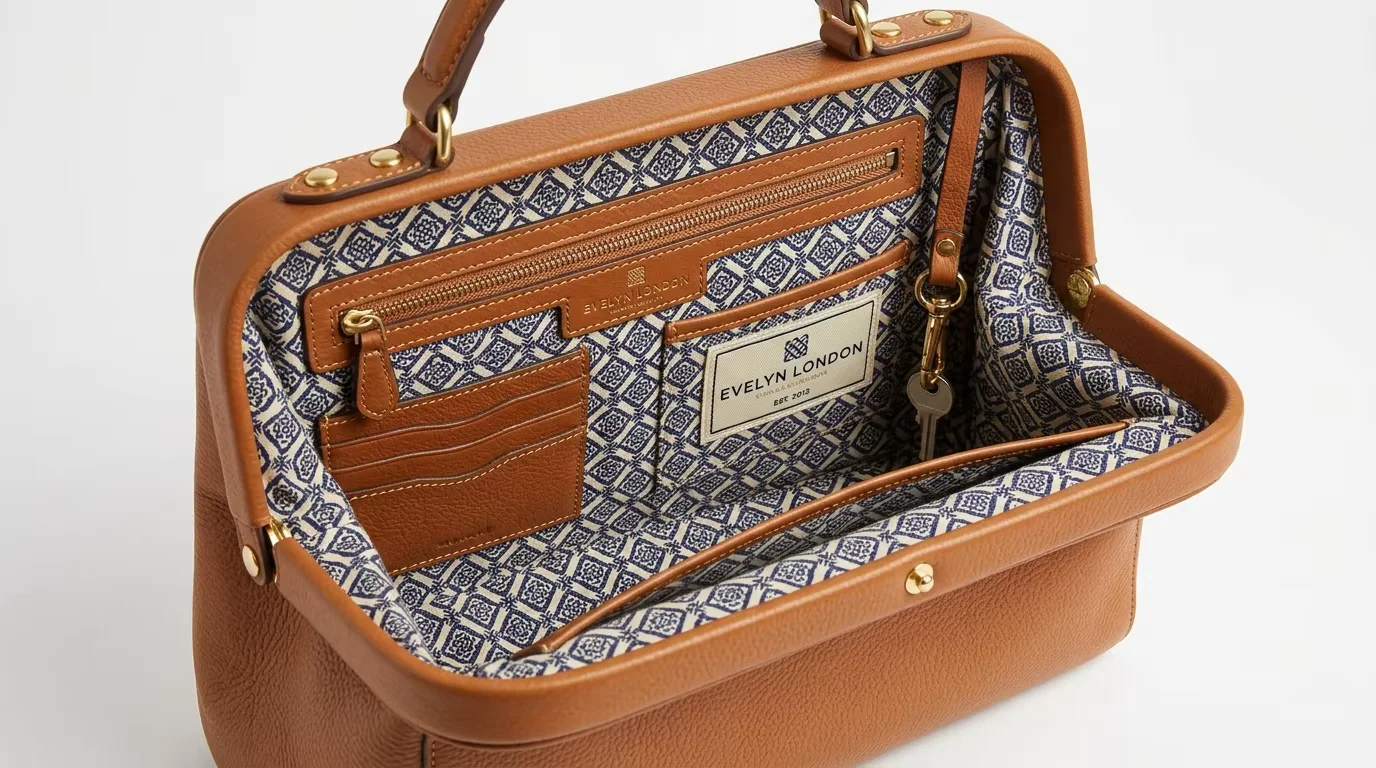
A complete lining specification for a production order includes: material type (polyester / canvas / suede / microfiber suede / satin / printed fabric), weight or denier where applicable, color (Pantone reference or approved sample), and pattern (solid / printed — if printed, include the print file in vector format). Also specify the pocket layout: number and type of pockets (open slip / zip / phone-specific / card slots), pocket dimensions, and any special interior elements (key clip, pen loop, mirror).
Always request an interior sample as part of your proto sample approval process. The exterior appearance of a sample is easy to evaluate from photographs. The interior requires physical handling — you need to feel the lining material, open the pockets, test the zipper, and check that the lining lies flat without bubbling or puckering. Approve the interior explicitly, not as an afterthought to exterior approval.
B2B Buyer Checklist
Before you request a quote, prepare the information that affects MOQ, sample cost, lead time and final unit price.
- Target product category, size and reference images.
- Expected order quantity per style and per color.
- Material preference, lining requirements and hardware finish.
- Logo method, packaging items and delivery country.
- Target retail price or target factory price range.
Decision Table
| Buyer Question | Why It Matters | What to Send the Factory |
|---|---|---|
| What is my MOQ target? | MOQ affects material sourcing, production planning and unit price. | Quantity per style, per color and launch schedule. |
| Which material should I choose? | Material controls price band, durability and brand positioning. | Reference photos, desired texture and target market. |
| How much customization do I need? | Logo, lining, hardware and packaging change sample time and cost. | Logo files, packaging references and required details. |
| What is my delivery deadline? | Sampling, production and shipping need realistic planning. | Launch date, delivery country and preferred shipping method. |