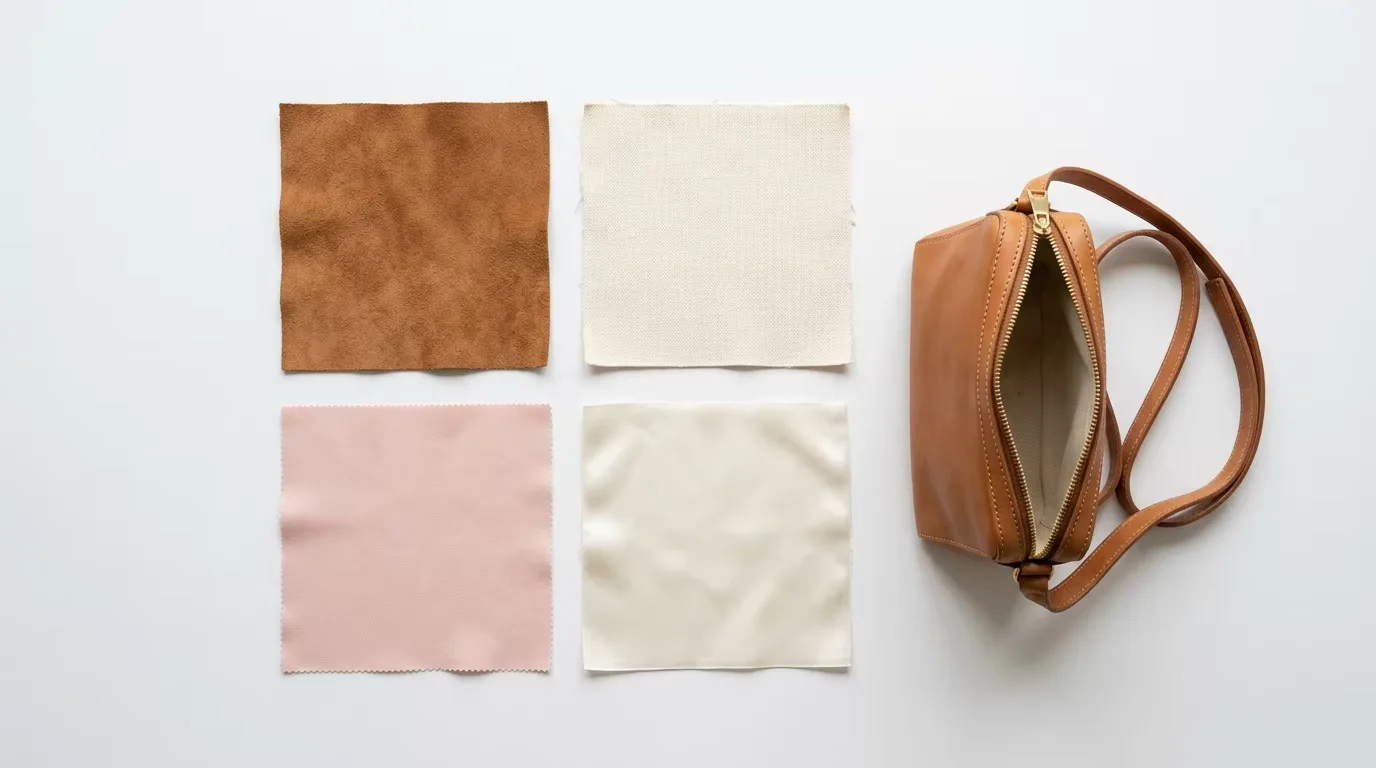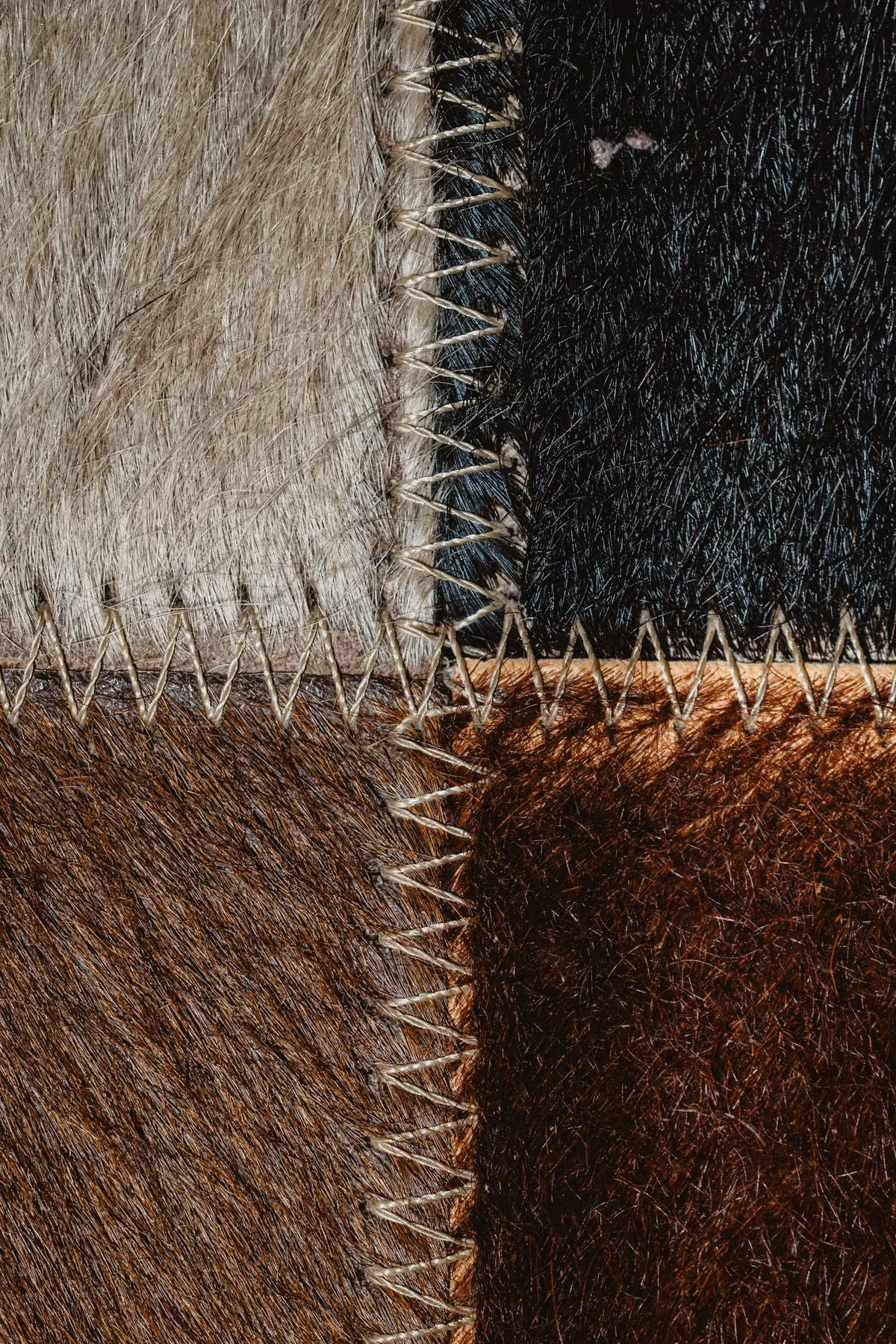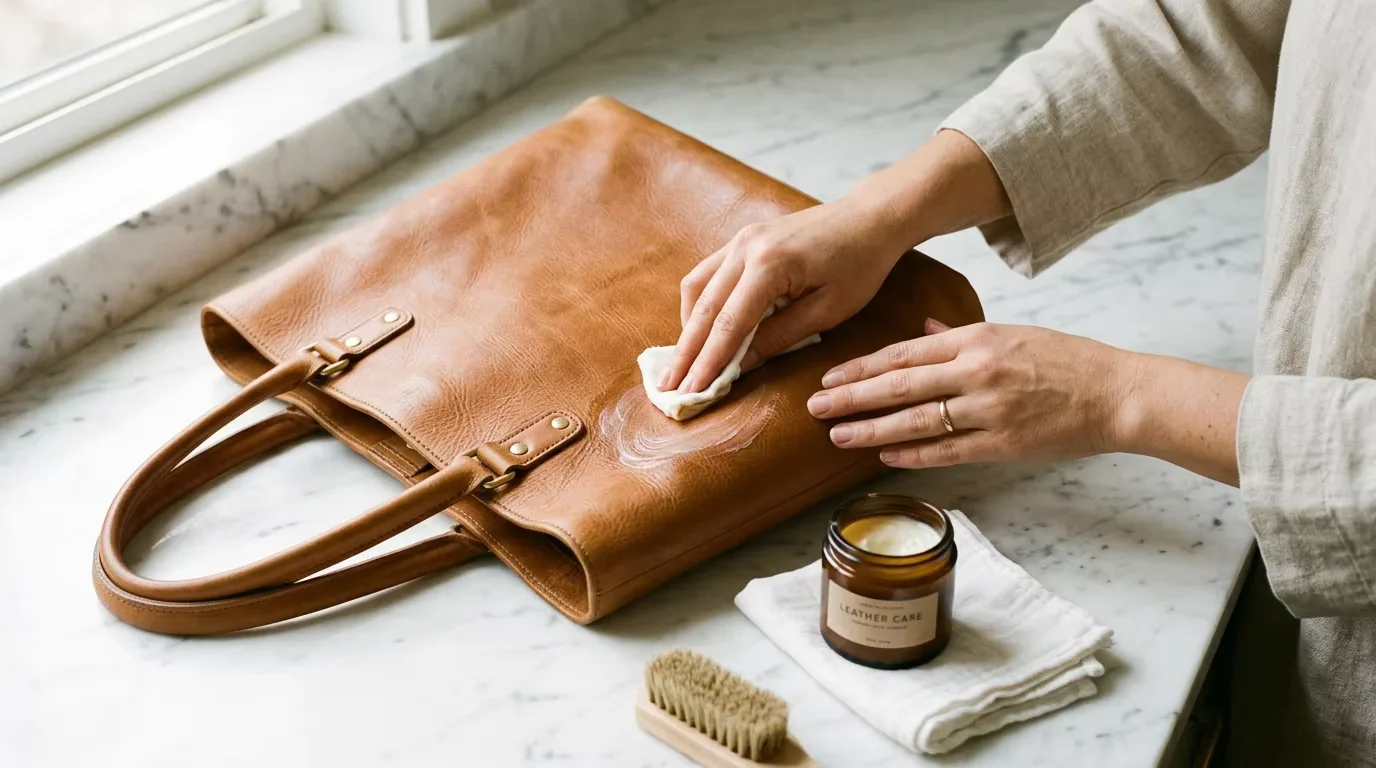
Most leather bag buyers can identify full-grain from top-grain and pebbled from smooth. Far fewer understand the process that transforms a raw animal hide into the finished leather that reaches the cutting room — and that process, called tanning, is where the most important quality decisions about a leather bag's longevity, hand feel, and aging character are made.
Understanding tanning at a working level does not require a chemistry degree. It requires knowing enough to ask the right questions of your factory and your tannery supplier — and to recognize when the answers indicate a material that will perform as you need it to.
Why Hides Must Be Tanned
A raw animal hide — the skin removed from the carcass — is biologically active material. Left untreated, it decomposes rapidly. The collagen fiber network that gives leather its strength and flexibility must be chemically stabilized to prevent decomposition while preserving the fiber structure. This stabilization process is tanning.
Tanning permanently cross-links the collagen fibers with tanning agents, transforming a perishable biological material into a stable, durable substrate that resists decomposition, moisture, and mechanical stress. The choice of tanning agent and method is the primary determinant of the finished leather's character — its hand feel, flexibility, breathability, how it ages, and how it responds to dyeing and finishing.
Chrome Tanning: The Dominant Industrial Method
Chrome tanning uses chromium sulfate salts as the tanning agent. The chrome ions form stable cross-links with the collagen fibers in the hide, and the process is fast: a full chrome-tanned hide can be produced in 24 hours. This speed, combined with consistency and relatively low cost, has made chrome tanning the dominant method globally — approximately 80–90% of all leather produced worldwide is chrome-tanned.
Chrome-tanned leather has several characteristics that make it commercially attractive:
- Soft, supple hand feel with good drape
- High stretch resistance
- Excellent water resistance
- Consistent dyeability — chrome-tanned hides accept pigment dyes uniformly, which is why they are the substrate of choice for consistent color across production runs
- Relatively stable surface — chrome-tanned leather does not darken or change color significantly with use unless an aniline (transparent) finish is applied
The commercial limitation of chrome tanning is environmental: chromium is a heavy metal, and chrome tannery effluent requires careful treatment and disposal. Major importing markets (EU, UK, US) have REACH regulations that limit chrome VI content in finished leather products. Reputable tanneries supplying international brands test for chrome VI compliance and can provide SGS or equivalent certification. When sourcing, always request this documentation for leather going into markets with strict chemical compliance requirements.
Vegetable Tanning: The Traditional Method
Vegetable tanning uses tannins extracted from plant material — bark (oak, chestnut, quebracho), leaves (sumac), or fruit (mimosa) — dissolved in water to form the tanning bath. The process is slow: a full vegetable tan takes weeks to months depending on the hide weight and the tannery's process. The resulting leather is fundamentally different in character from chrome-tanned material.
Vegetable-tanned leather characteristics:
- Firmer, more structured hand feel when new — vegetable-tanned leather "breaks in" over time as the stiff tannin structure relaxes with use and handling
- Rich, warm color depth — the tannins produce a characteristic amber to brown tone that shows through transparent finishes
- Develops a distinctive patina with use — the surface darkens, deepens, and develops character over years that chrome-tanned leather does not replicate
- Biodegradable — vegetable tannins are plant-derived and the finished leather has a lower environmental impact than chrome-tanned material
- Absorbs oils and waxes — vegetable-tanned leather responds well to conditioning with natural oils, which further develops its character
Vegetable-tanned leather is significantly more expensive than chrome-tanned — the material cost alone is typically 2–4x higher. It is the standard for high-end heritage leather goods: traditional English and Italian briefcases, Japanese craft wallets, bespoke saddles. For handbag brands positioning at the premium end of the market with a genuine craft narrative, vegetable-tanned leather is a credible and defensible material choice — but only if the retail price supports the material cost.
Combination Tanning: The Practical Middle Ground
Many mid-market leathers use a combination of chrome and vegetable tanning — typically chrome-tanned first to achieve softness and consistency, then retanned with vegetable tannins to develop some of the warmth and structure associated with pure vegetable tanning. The result is a leather that is more affordable than full vegetable tan but has more character than standard chrome.
This approach is widely used in Italian tanneries supplying the contemporary fashion market. The leather has a warm tonal depth that photographs well and develops some surface character with use, while remaining affordable enough to support mid-market retail pricing.
The Finishing Process: Where Visual Character Is Determined
After tanning, the hide goes through a finishing sequence that determines its final appearance and surface behavior. The two dominant finishing approaches are:
Aniline finishing: The leather is dyed with transparent aniline dyes that penetrate into the fiber structure without coating the surface. The result is a completely natural-looking surface where the grain pattern and natural marks are fully visible and tactilely present. Aniline leather has the most natural appearance and the richest color depth, but it is also the most sensitive to staining and moisture because there is no protective coating on the surface. This finish is used for the highest-grade full-grain hides where natural character is the value proposition.
Pigmented (corrected) finishing: A pigment-loaded coating is applied to the surface, covering natural variation and providing a uniform appearance. This finish is applied to virtually all top-grain leather and most genuine leather, because the surface preparation (sanding) that produces a consistent substrate also removes the natural marks that would be desirable in aniline leather. Pigmented leather is more resistant to staining and moisture and more consistent in appearance across production runs.
What to Ask Your Factory About Tannage
When sourcing leather bags, these are the questions that reveal whether your factory understands the material they are working with:
- "What tannage method is used for this hide — chrome, vegetable, or combination?" A factory that cannot answer this question is sourcing leather without understanding it.
- "Which tannery does this leather come from?" Reputable tanneries are named suppliers — Italian tanneries in particular are proud of their provenance. A factory that refuses to name their tannery supplier may be sourcing opportunistically.
- "Can you provide an SGS test report for chrome VI and REACH compliance?" This should be a standard request for any leather going into EU or UK markets.
- "Is the finish aniline, semi-aniline, or pigmented?" This determines how the leather will age and how much care guidance you need to provide to your end customers.
The answers to these questions do not need to change your sourcing decision, but they tell you a great deal about the sophistication of your factory's material knowledge — and that knowledge correlates strongly with production quality and consistency.
B2B Buyer Checklist
Before you request a quote, prepare the information that affects MOQ, sample cost, lead time and final unit price.
- Target product category, size and reference images.
- Expected order quantity per style and per color.
- Material preference, lining requirements and hardware finish.
- Logo method, packaging items and delivery country.
- Target retail price or target factory price range.
Decision Table
| Buyer Question | Why It Matters | What to Send the Factory |
|---|---|---|
| What is my MOQ target? | MOQ affects material sourcing, production planning and unit price. | Quantity per style, per color and launch schedule. |
| Which material should I choose? | Material controls price band, durability and brand positioning. | Reference photos, desired texture and target market. |
| How much customization do I need? | Logo, lining, hardware and packaging change sample time and cost. | Logo files, packaging references and required details. |
| What is my delivery deadline? | Sampling, production and shipping need realistic planning. | Launch date, delivery country and preferred shipping method. |