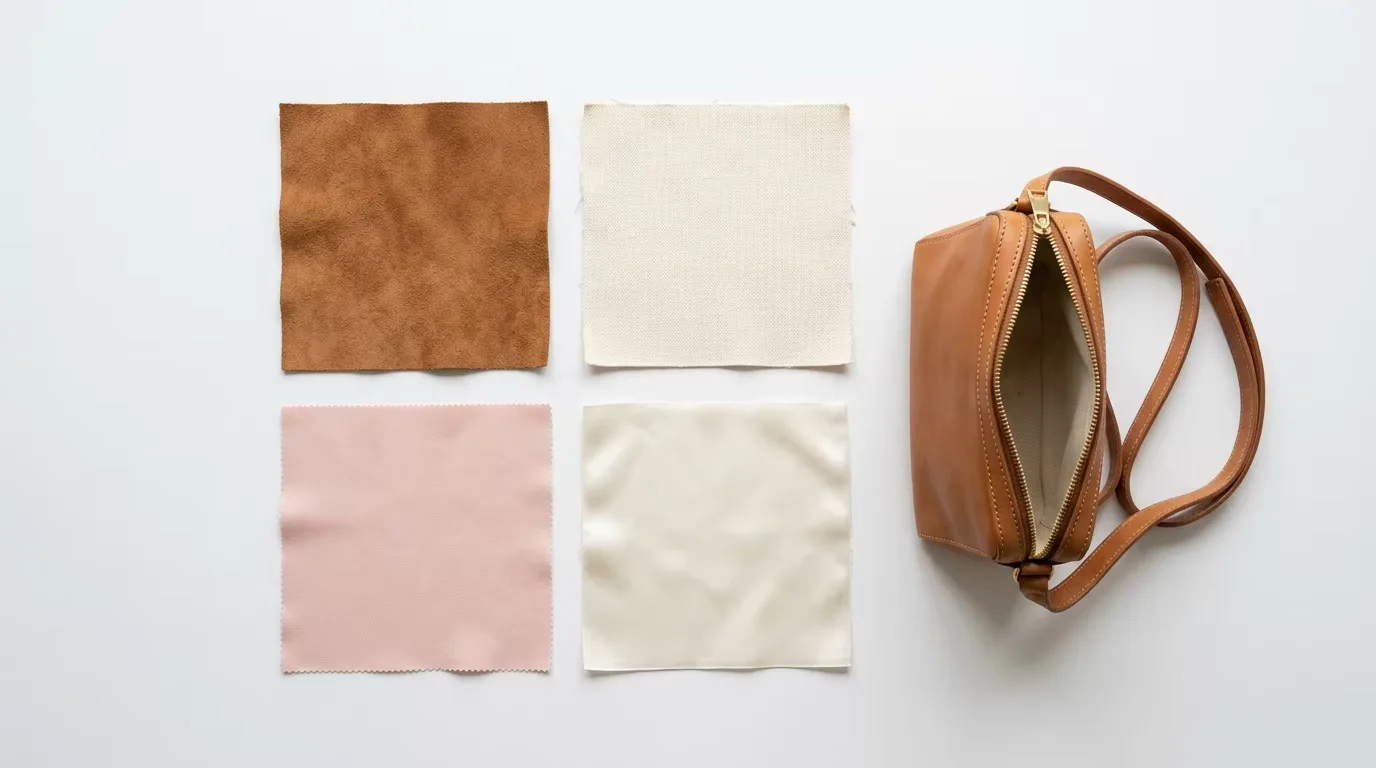
The vegan leather versus genuine leather question comes up in virtually every wholesale sourcing conversation in 2026 — from first-time buyers trying to understand what they are specifying, to established brands evaluating whether to add a vegan line to their existing leather collection. The honest answer is more nuanced than either the sustainability advocates or the traditional leather proponents tend to present.
This guide covers what both materials actually are in a manufacturing context, how they compare across the dimensions that matter most for wholesale buyers — durability, cost, retail positioning, environmental credentials, and production characteristics — and how to decide which is right for your specific brand and market.
What Each Material Actually Is
Genuine Leather
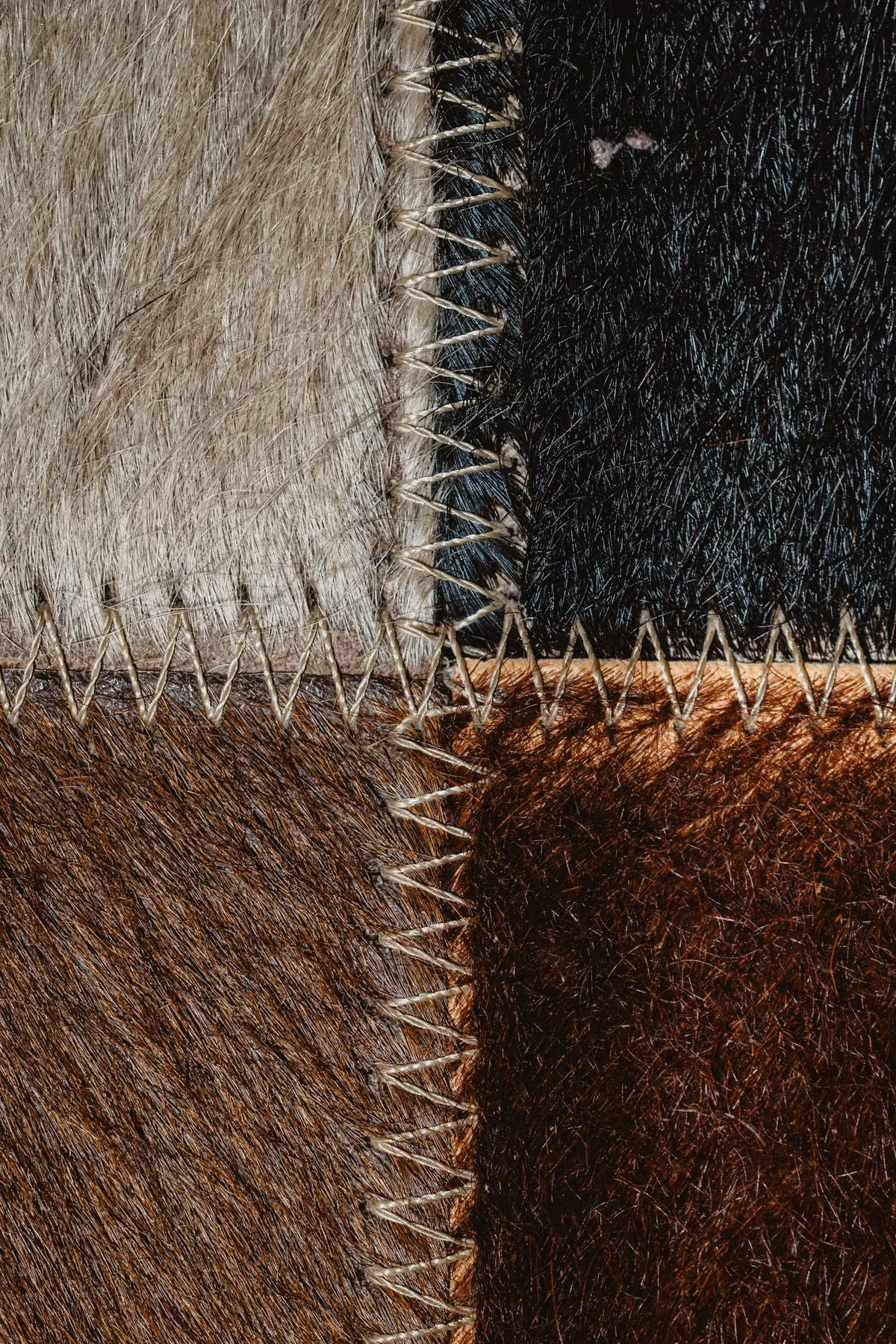
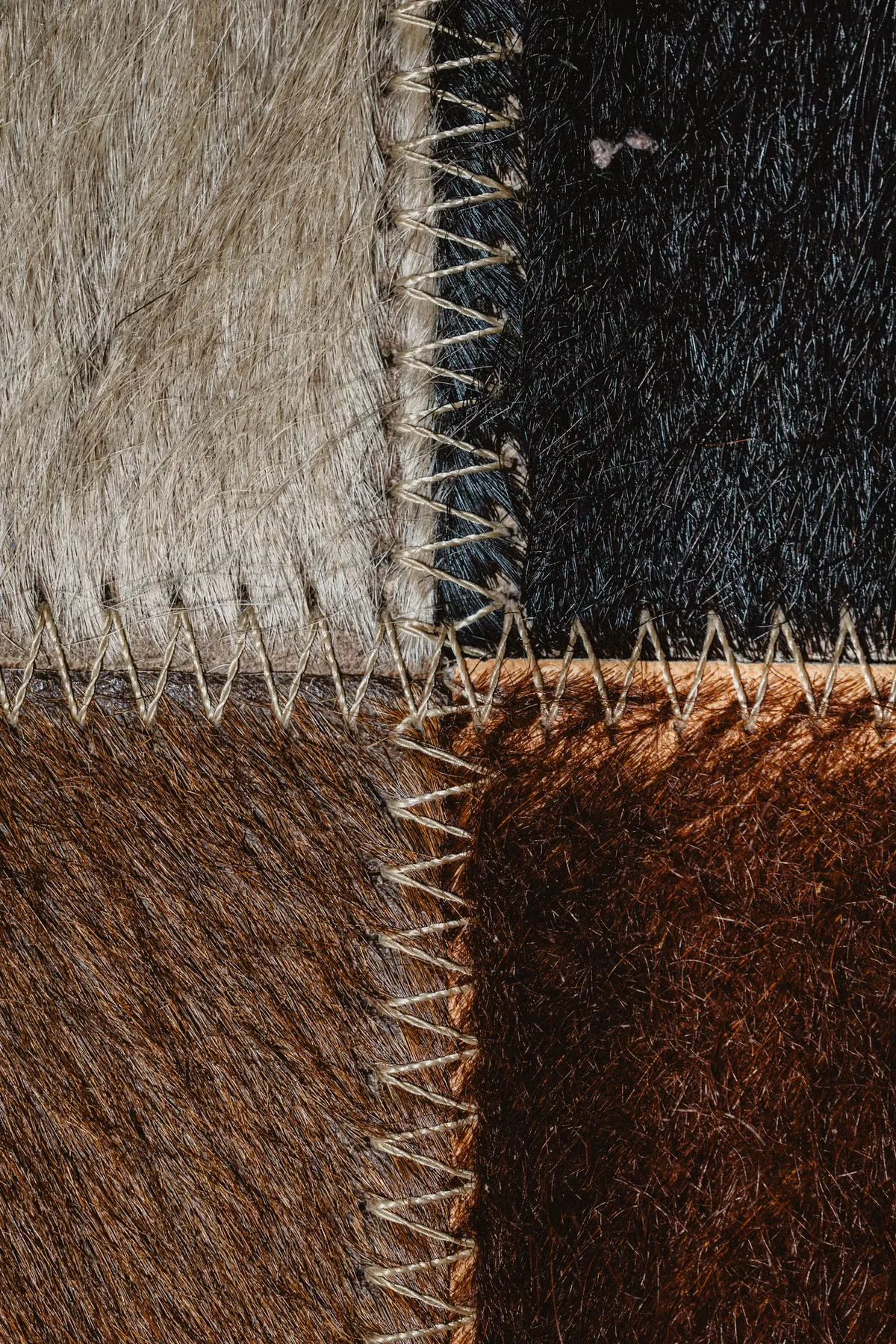
Genuine leather — in the broad sense of real animal leather, not the specific grade designation — is tanned animal hide, most commonly cowhide. The hide's collagen fiber network is chemically stabilized through tanning (chrome, vegetable, or combination), producing a material whose structural properties derive from a continuous network of natural protein fibers. This fiber network is what gives leather its unique combination of strength, flexibility, breathability and aging character.
No manufactured material fully replicates the continuous fiber network of a real hide. This is not marketing language — it is a material science fact that has direct implications for durability, repair, and how the material responds to use over time.
Vegan Leather
Vegan leather in the mainstream wholesale market is almost always PU (polyurethane) coated on a fabric backing — typically polyester, cotton, or a blend. A polyurethane surface layer is applied to the backing material, then textured and finished to resemble leather. The quality range is wide: low-grade PU vegan leather is visually indistinguishable from plastic; high-grade PU vegan leather can closely approximate the visual appearance of top-grain leather at first glance.
Emerging vegan leather materials — mushroom leather (mycelium), apple leather, cactus leather, Piñatex (pineapple fiber) — exist and are used by niche brands, but they represent a small fraction of total vegan leather volume in wholesale handbag production and remain significantly more expensive than standard PU. For the purposes of wholesale sourcing in 2026, "vegan leather" effectively means PU unless explicitly specified otherwise.
Durability Comparison
This is the most important practical comparison for wholesale buyers, and the one most often misrepresented by advocates on both sides.
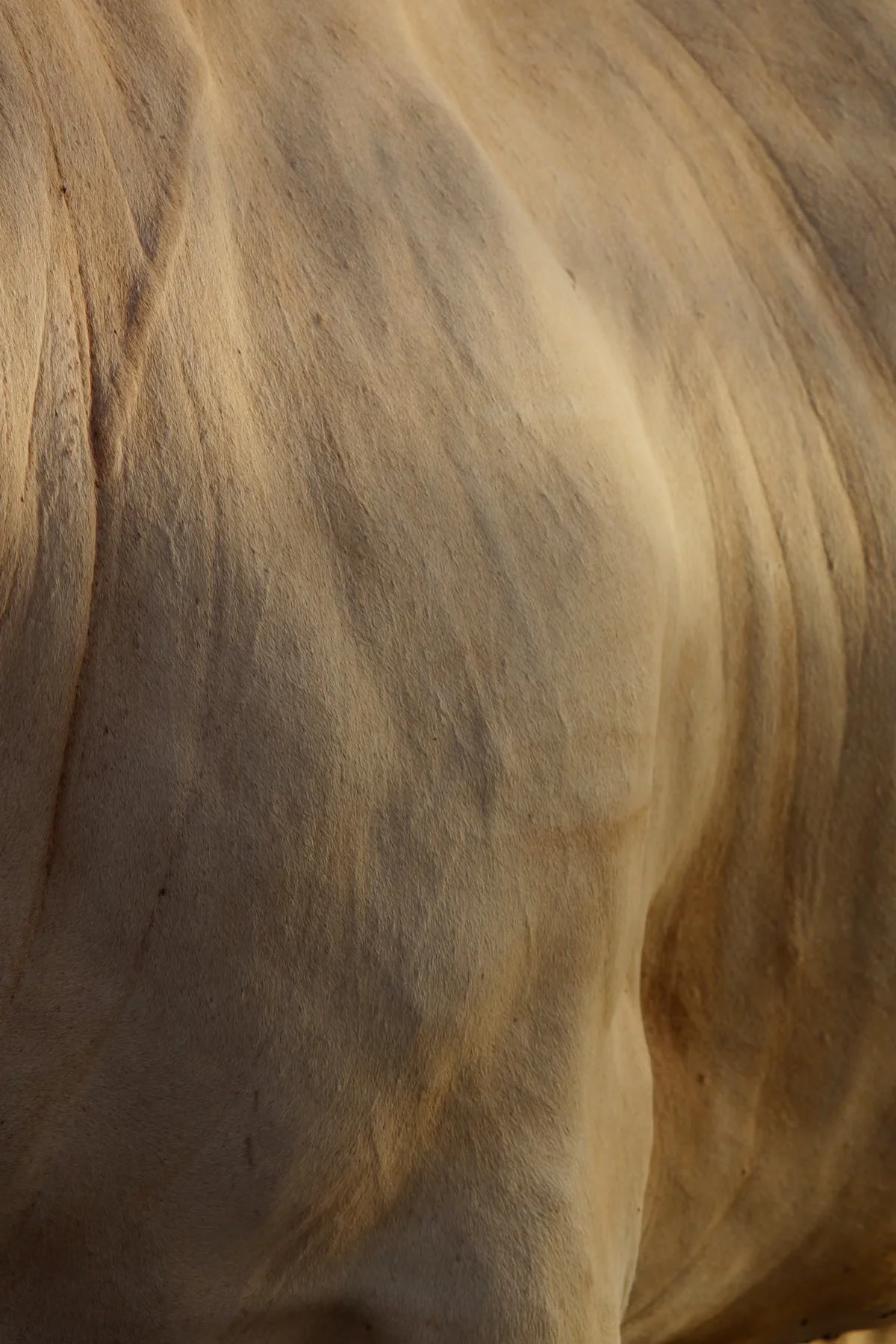
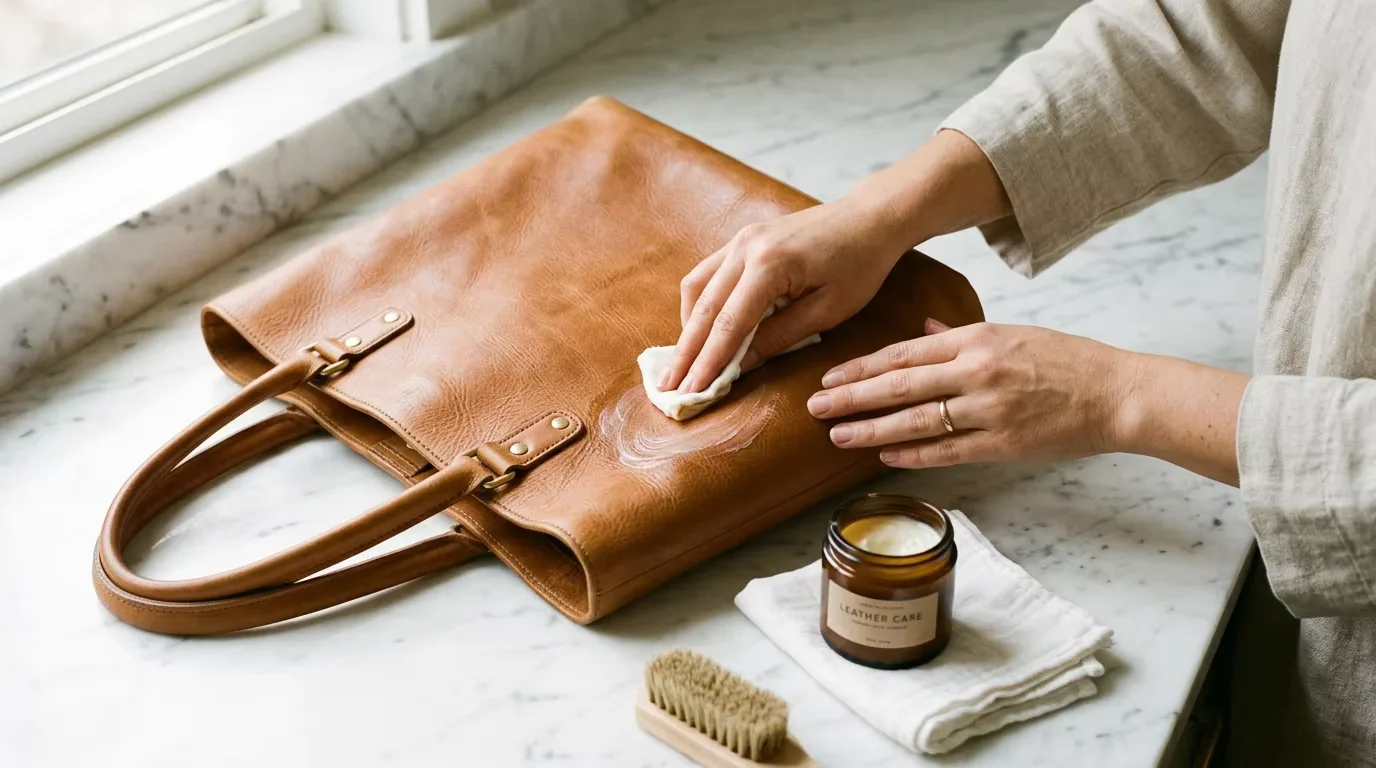
Genuine leather durability: A well-constructed bag in top-grain or full-grain leather, maintained with occasional conditioning, will remain functional and aesthetically acceptable for 5–15 years of regular use. The material does not delaminate. Surface wear at contact points produces patina — a desirable aging effect — rather than structural failure. The continuous fiber network can be repaired: scratches can be buffed, color can be restored, and structural damage can be stitched.
PU vegan leather durability: High-quality PU vegan leather performs well for 2–4 years of regular use under normal conditions. The failure mode is delamination — the PU surface layer separates from the backing fabric, typically starting at flex points (handle bases, strap attachment points, corners) and spreading. Once delamination begins, it cannot be reversed. The bag is effectively at end of life. This timeline can be extended with careful use and storage, or shortened by UV exposure, heat, and heavy use.
The durability gap is real and significant. For brands building on a quality and longevity narrative, this gap is a commercial risk. For brands targeting trend-driven, seasonal, or price-sensitive retail channels where customers replace bags every 1–2 years regardless of material durability, it may be entirely acceptable.
Cost Comparison
At equivalent construction quality, PU vegan leather bags typically cost 30–50% less to produce than comparable genuine leather bags at wholesale. The material cost differential is the primary driver: high-quality PU costs approximately $3–8 per meter, while top-grain cowhide costs $8–20 per square foot depending on grade and tannage.
This cost advantage translates directly to margin or to retail price competitiveness — which is why vegan leather has achieved such strong market penetration in the accessible and mid-market price segments. A bag that retails at $80–150 in genuine leather can retail at $50–100 in high-quality vegan leather with equivalent construction, or be offered at the same $80–150 price point with significantly higher margin.
Environmental Credentials: The Honest Picture
The environmental comparison between vegan and genuine leather is significantly more complex than consumer marketing typically suggests.
Genuine leather has genuine environmental costs: cattle farming is resource-intensive, tannery chemical processing (particularly chrome tanning) requires careful effluent management, and the global leather supply chain has real carbon and water footprints. These are not trivial concerns.
Standard PU vegan leather, however, is petroleum-derived plastic. Its production has its own carbon footprint, it is not biodegradable, and end-of-life disposal (landfill or incineration) has environmental costs. The durability gap also matters environmentally: if a vegan leather bag is replaced every 2 years while a genuine leather bag lasts 10 years, the cumulative environmental cost of five vegan bags may exceed the environmental cost of one leather bag — depending on the specific production and use conditions.
For brands making environmental claims, the honest approach is to specify the actual material and its environmental profile rather than relying on "vegan = sustainable" as a shorthand. Third-party certifications (GRS for recycled content, Cradle to Cradle for circular design, B Corp for overall business practice) provide more credible grounding for environmental claims than material type alone.
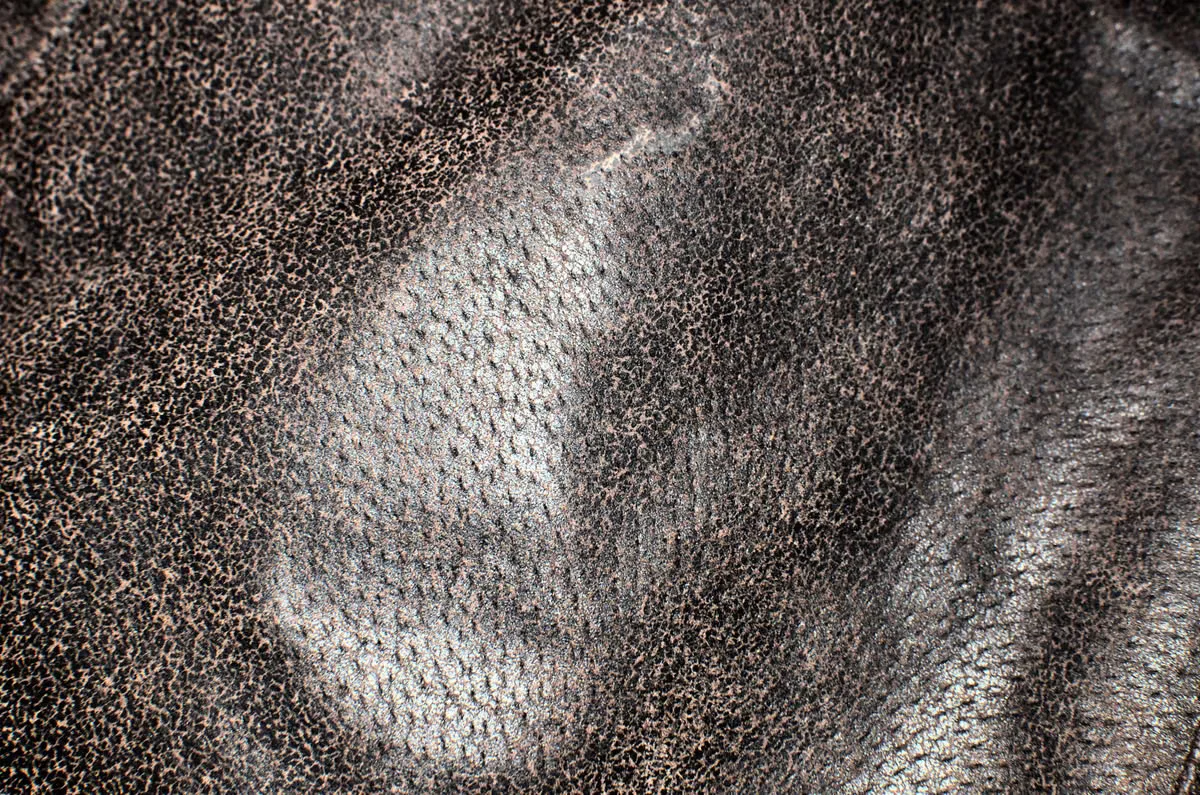
Retail Positioning and Consumer Perception
Consumer perception of vegan leather has shifted significantly in the past five years. In 2018, "vegan leather" was often perceived as a euphemism for cheap plastic. In 2026, it is actively sought by a segment of consumers who prioritize animal welfare and associate vegan materials with contemporary ethical values — regardless of the material's actual environmental profile.
This perception shift has created a viable premium segment for vegan leather goods. Brands that position well can achieve retail prices of $150–400 for vegan leather bags, particularly when the design, branding, and construction quality support the price point. The material is no longer automatically positioned below genuine leather in consumer perception.
The key retail risk for vegan leather remains the durability timeline. Brands that build strong customer relationships and repeat purchase cycles are most exposed to this risk: a customer who loved their leather bag for eight years is a loyal repeat customer; a customer whose vegan leather bag peeled after eighteen months is a disappointed one-time buyer. Understanding which dynamic applies to your specific customer base is the most important factor in the vegan vs. genuine decision.
How to Decide for Your Brand
The practical decision framework:
- Choose genuine leather if: your brand narrative centers on quality and longevity, your retail price supports the material cost, your customer expects a bag that improves with age, or you are building a brand designed for long-term customer retention and repeat purchase.
- Choose vegan leather if: your target retail price is below $120, your customer base skews toward younger demographics with strong animal welfare values, your collection is trend-driven with rapid style turnover, or your margin requirements make genuine leather's cost structure unworkable at your price point.
- Consider both if: your brand has sufficient scale to manage two material streams, you serve multiple market segments, or you want to offer a genuine leather core collection alongside a more accessible vegan leather entry line.
The worst outcome is choosing a material based on marketing positioning without understanding the production and durability implications — and then having that choice undermine the brand promise you have made to your customers.
B2B Buyer Checklist
Before you request a quote, prepare the information that affects MOQ, sample cost, lead time and final unit price.
- Target product category, size and reference images.
- Expected order quantity per style and per color.
- Material preference, lining requirements and hardware finish.
- Logo method, packaging items and delivery country.
- Target retail price or target factory price range.
Decision Table
| Buyer Question | Why It Matters | What to Send the Factory |
|---|---|---|
| What is my MOQ target? | MOQ affects material sourcing, production planning and unit price. | Quantity per style, per color and launch schedule. |
| Which material should I choose? | Material controls price band, durability and brand positioning. | Reference photos, desired texture and target market. |
| How much customization do I need? | Logo, lining, hardware and packaging change sample time and cost. | Logo files, packaging references and required details. |
| What is my delivery deadline? | Sampling, production and shipping need realistic planning. | Launch date, delivery country and preferred shipping method. |