Hardware finish is one of the most under-specified elements in wholesale leather bag development. Many buyers select a hardware finish based on a sample or a photograph, communicate it to the factory as "gold" or "silver," and are surprised when the production result does not match their expectation. The gap between "gold hardware" as a concept and the specific plating, base metal, and surface treatment that produces the result you actually want is wider than most buyers realize.
This guide covers four commonly discussed hardware finishes in wholesale leather bag production — gold, silver, gunmetal, and antique brass — explaining their usual visual direction, production considerations, aging questions, and the brand positioning each may support.
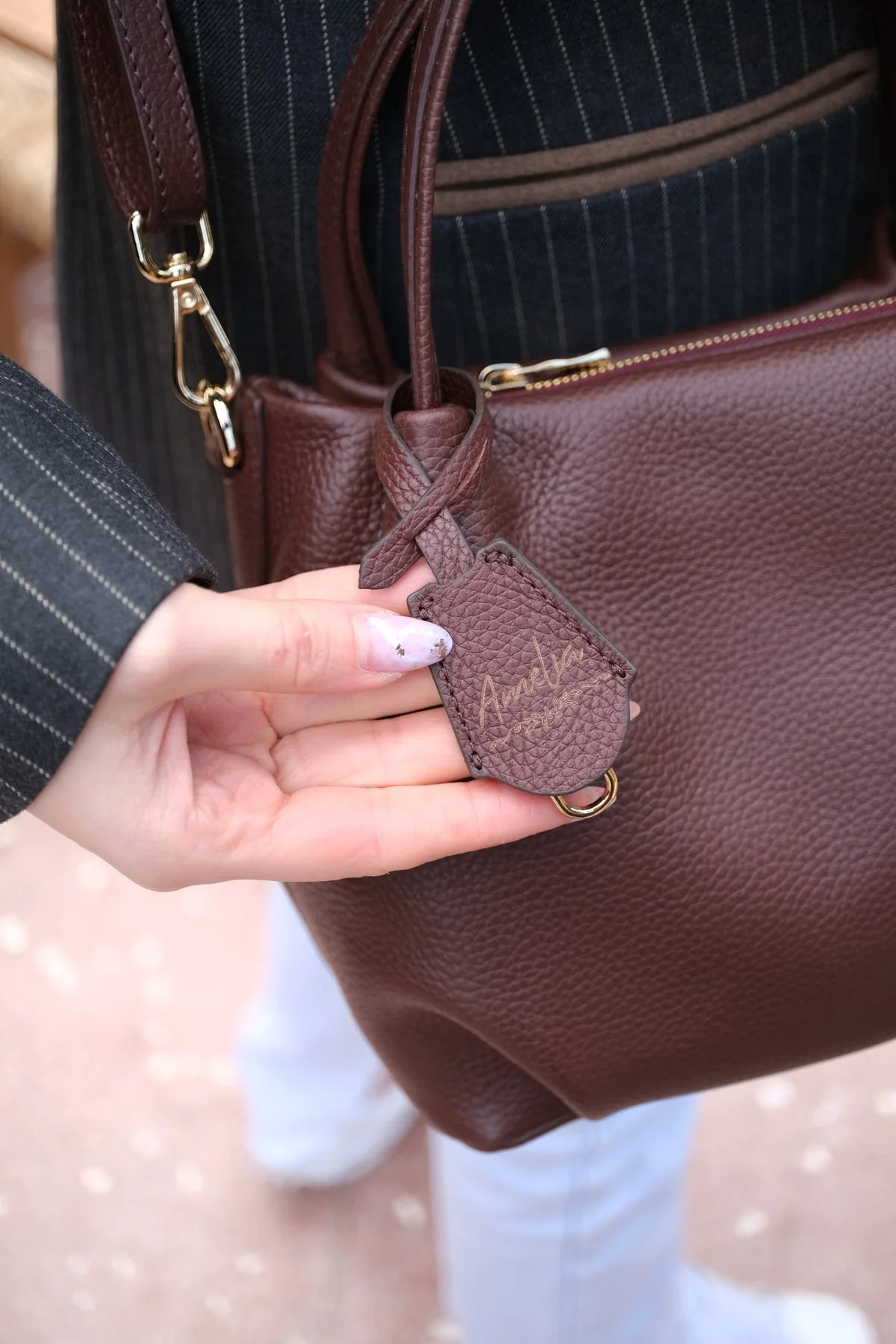
Compare Gold, Silver, Gunmetal and Antique Brass at a Glance
| Finish direction | Visual impression | Useful pairing discussion | Sample question |
|---|---|---|---|
| Gold | Warm, elevated, reflective or restrained | Warm neutrals, burgundy, black or the intended collection palette | Does the tone and sheen match the approved leather reference? |
| Silver | Cool, clean, modern or architectural | Black, white, grey, navy or a deliberately contrasting warm neutral | Is the finish bright, brushed or oxidized across each component? |
| Gunmetal | Dark, tonal, urban or utilitarian | Black, charcoal, deep navy, forest green or dark chocolate | Do the darker components read consistently under the intended lighting? |
| Antique brass | Warm, aged, heritage or craft-led | Cognac, tan, oil-wax leather or a vintage-inspired palette | Which amount of patina variation is acceptable in the golden sample? |
For a broader component view, compare handbag hardware options and requirements before fixing the finish direction.
Finish, Base Metal and Surface Treatment
All handbag hardware starts with a base metal — the structural material that gives the hardware its shape and strength. For many mid-market wholesale bags, zinc alloy (zamak) is a commonly discussed option because it can be cast into complex shapes and plated. Brass may be selected for some components when the project prioritizes a denser feel or a different durability profile. The actual component specification should be confirmed for the design, target use and quotation.
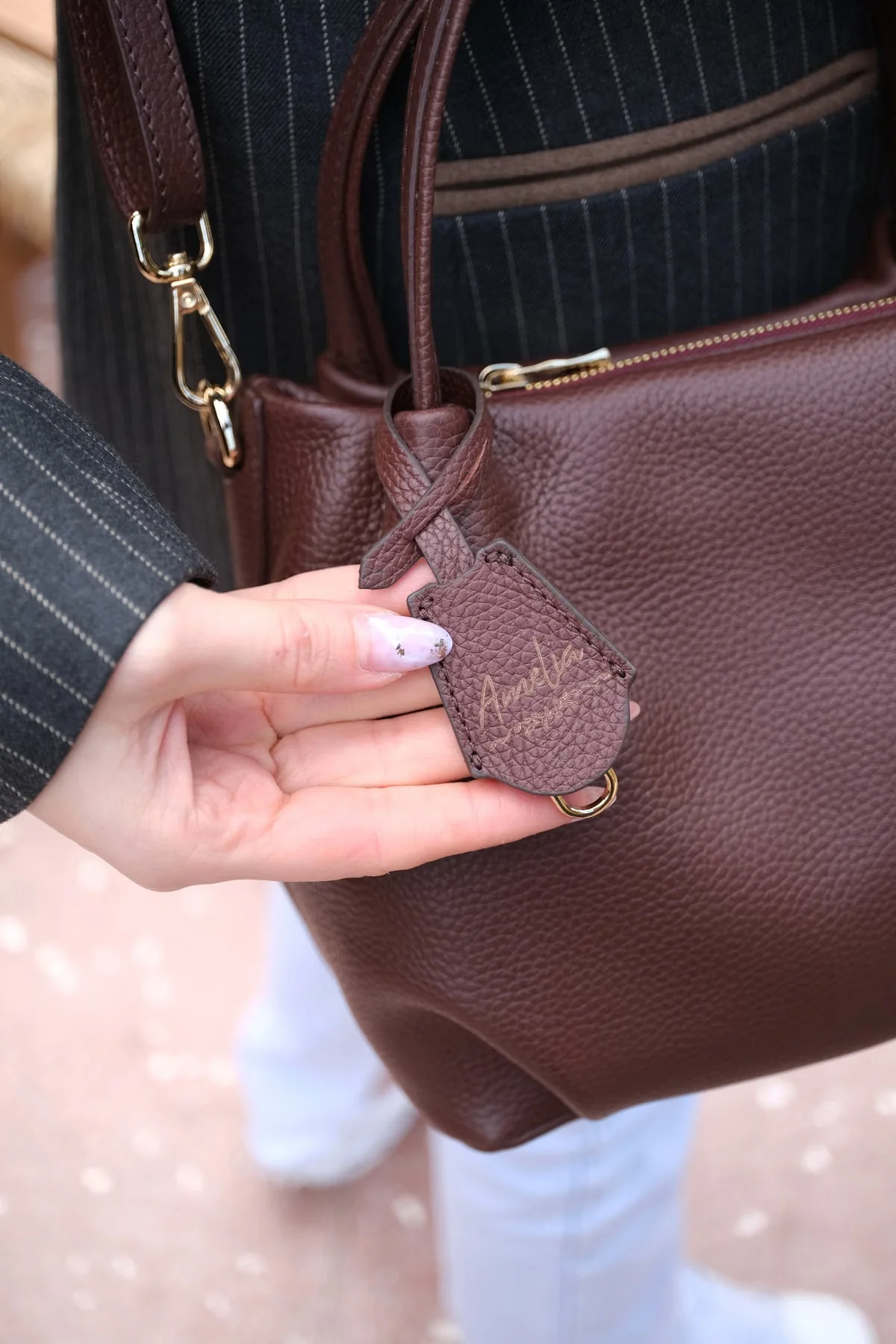
The finish color you see — gold, silver, gunmetal, antique brass — is a surface treatment applied over the base metal. Plating is an electrochemical process that deposits a thin layer of the target metal or alloy onto the surface. Thickness can influence how long the appearance remains consistent, but visible wear also depends on the base metal, treatment, component shape, contact point, use and care.
When specifying hardware for a wholesale order, separate the decisions into base metal, color, surface treatment and thickness. Ask for/confirm: the actual component material, finish reference, target use, and which details will be approved on the physical sample.
Gold-Tone Hardware
Gold-tone hardware uses a gold-colored plating — typically gold, yellow brass, or light gold — over a zinc alloy or brass base. It is a widely selected finish in mid-market and accessible-luxury handbag discussions because gold often reads as warm, elevated and easy to position. The result still depends on the collection, leather, market and brand direction.
Within gold-tone, there are meaningful distinctions:
- Shiny gold: High-gloss finish that maximizes light reflection. Strong visual impact at the retail shelf. Associated with formal, occasion, and luxury-adjacent positioning. Shows fingerprints more readily than brushed finishes.
- Brushed gold: Directional satin finish that diffuses light without eliminating it. Reads as more modern and restrained than shiny gold. Less prone to showing handling marks. Often considered for contemporary and quiet-luxury segments.
- Light gold (champagne): Paler, more yellow-tinted gold that reads as soft and delicate. Strong in feminine and occasion-wear positioning. Less commercial breadth than standard brushed gold.
Gold hardware often pairs well with tan, cognac, beige, cream, blush, burgundy and black leathers. With cool-toned leathers such as slate or grey-blue, silver or gunmetal may create a cooler contrast; the intended collection look should decide.
Durability note: Gold plating on zinc alloy base metal is a common wholesale specification, and high-contact points such as clasp edges, zipper pulls and D-ring contact areas may show wear over time. Wear varies by base metal, surface treatment, component geometry, use and care. If a longer-lasting appearance matters to the positioning, discuss the preferred base metal and a target plating thickness with the supplier, then confirm the actual specification and sample/testing requirements before bulk production.
Silver Hardware
Silver hardware covers a range of finishes from bright chrome-like high-gloss to matte brushed silver. The base metal is typically zinc alloy plated with nickel or rhodium (for bright finishes) or left with a satin nickel surface treatment (for brushed finishes).
- Shiny silver (chrome): High-gloss, cool-toned finish. Modern, clean, architectural. Strong in minimalist, Scandinavian, and technical positioning. The brightest silver finishes can read as cheap if the base metal quality is low — the plating must be thick enough to produce a consistent depth of reflection.
- Brushed silver (matte silver): Satin directional finish. Commonly selected in contemporary and quiet-luxury handbag discussions. Less aggressive than shiny silver, more versatile across leather colors. A useful starting reference for mid-market wholesale comparison.
- Oxidized silver: Intentionally darkened silver with a patinated appearance. Less common in production; associated with artisanal, vintage, and bohemian positioning.
Silver hardware often pairs well with black, white, grey, navy, olive and cool-toned leathers. It may also work with warm neutrals such as tan or beige when the design intent is modern or minimalist rather than warm, but the physical sample should guide the final decision.
Nickel and market note: Nickel sensitivity and destination-market requirements should be treated as project questions, not assumed from the finish name. For products intended for EU sale, ask the supplier or a qualified compliance adviser to confirm the applicable nickel-release and REACH requirements, including whether EN 1811 is the relevant test method, and request the documentation that applies to the selected component.
Gunmetal Hardware
Gunmetal is a dark grey-toned metallic finish — not quite silver, not quite black, with a cool grey undertone that reads as utilitarian, sophisticated, and modern. It is produced by plating with dark nickel, ruthenium, or a matte black-over-silver combination that creates the characteristic grey depth.
Gunmetal has a more specific aesthetic register than a bright neutral finish. It can support a dark, urban or tonal direction, while the overall bag design determines whether the result feels refined, utilitarian or heavier than intended.
Gunmetal often pairs well with black, charcoal, deep navy, forest green and dark chocolate leathers. Tonal combinations may read as intentional, while the intended balance should be checked on the actual bag. It is often used for contemporary-urban, gender-neutral and minimalist-luxury directions.
Gunmetal may make some scratches and handling marks less visually obvious than a reflective bright finish. That visual effect should not be treated as a durability guarantee; actual performance depends on the component and treatment.
Antique Brass Hardware
Antique brass is a warm, deliberately aged-looking finish — a darkened, tarnished brass tone with highlights at contact points that suggest decades of use. It is produced by applying a bright brass plating and then chemically or mechanically treating the surface to create the aged appearance.
Antique brass is often associated with heritage, craft and vintage positioning. It appears on equestrian-inspired bags, traditional briefcases, and any design vocabulary that references pre-industrial craftsmanship. The warm amber-brown tone of antique brass hardware has a natural affinity with cognac, tan, and oil-wax leather finishes.
From a production standpoint, antique brass can be variable across larger production runs because the "antique" treatment may include intentional variation by design. Request a golden sample (a pre-production hardware sample approved by both buyer and factory) and attach it to the production order as the acceptance standard.
How to Specify Hardware in Your Production Order
When placing a production order, hardware specification should include:
- Finish name: "Brushed gold," "matte silver," "gunmetal," "antique brass" — not just "gold" or "silver"
- Base metal: Zinc alloy or brass — state the preferred option and discuss it against the component, intended use and positioning
- Plating thickness: Record a target as a discussion point, then confirm the actual specification for the component, finish and target requirement
- Compliance requirements: Destination-market material, testing and documentation questions to confirm with the supplier or qualified compliance adviser
- Golden sample approval: Physical approval of a pre-production hardware sample before bulk hardware is manufactured
Hardware specification is one of the areas where a short, precise review before sampling can help prevent finish misunderstandings before bulk production. The finish you intended and the finish a factory interprets from "gold hardware" may not be the same thing, so write the reference, components and approval method into the project brief.
Wear, Handling and Sample Approval Questions
High-contact components deserve a separate review because clasp edges, zipper pulls, D-rings, chains and logo plates may experience different handling. Before approving a sample, ask:
- Which components receive the selected finish, and which are hidden or load-bearing?
- How should shiny, brushed, matte or antique variation appear under the intended lighting?
- Which contact points should be checked for scratches, rough edges, color shift or plating inconsistency?
- What use, care and sample/testing assumptions should be recorded for this project?
Target-Market and Compliance Questions to Confirm
Finish selection can be part of a target-market brief, but a page-level guide cannot confirm the legal or testing outcome for a specific shipment. Record the destination market, component material, surface treatment, intended use and requested documents, then confirm applicable requirements with the supplier or a qualified compliance adviser.
Hardware Specification Checklist for an Inquiry
- Finish direction: gold, silver, gunmetal or antique brass.
- Surface treatment: shiny, brushed, matte or antique.
- Components: zipper pull, D-ring, clasp, chain, buckle or logo plate.
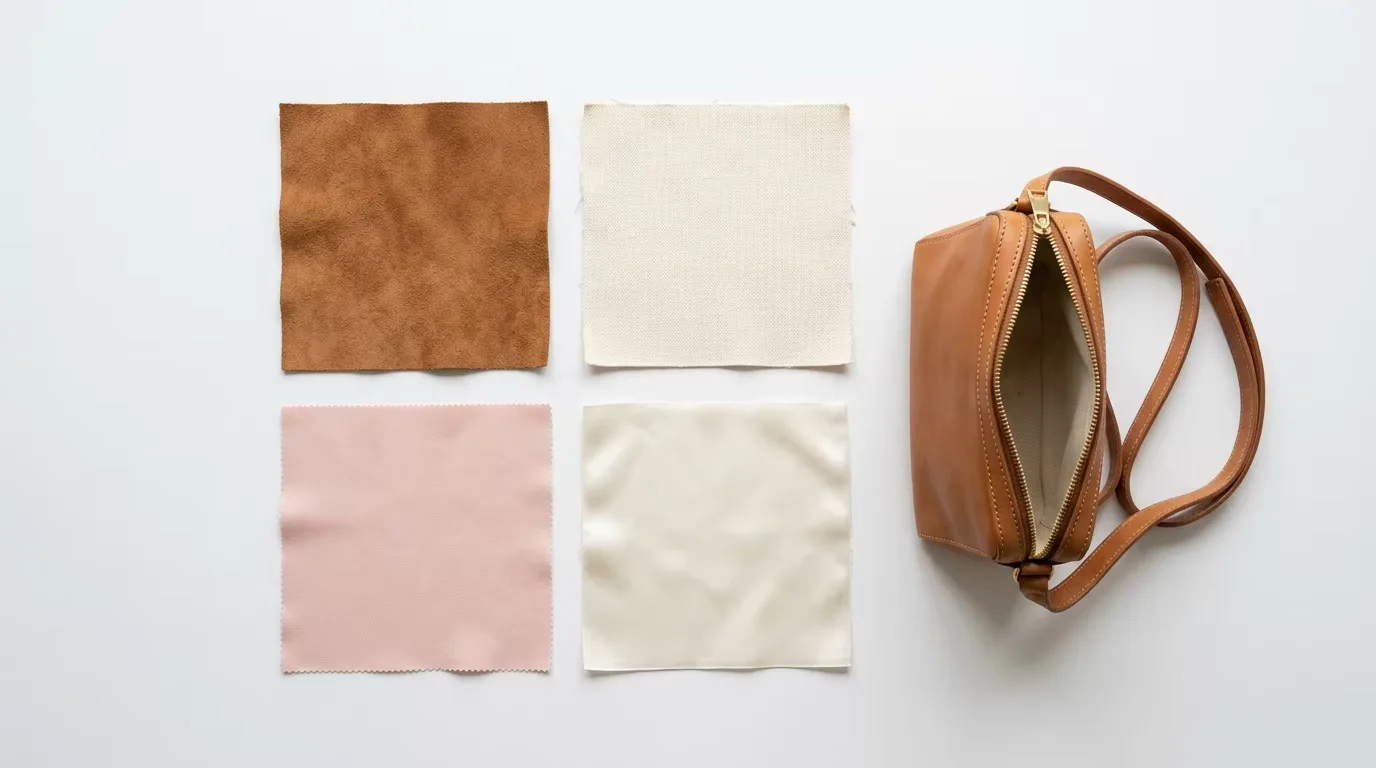
- Leather/material color and reference image or physical swatch.
- Base metal and target plating discussion for each component.
- Target customer, market and intended retail positioning.
- Sampling, golden-sample approval and any testing/documentation questions.
- Whether the project is a sample, collection update or planned bulk order.
For a broader technical handoff, record the finish and component details in a leather bag tech pack before submitting the project.
Frequently Asked Questions
What is the difference between hardware finish and base metal?
The base metal provides the component structure; the finish describes the visible color and surface treatment. The actual pairing depends on the component, intended use and project requirements.
Which finish works with warm or cool leather colors?
Gold and antique brass often support warmer palettes, while silver and gunmetal may support cooler or tonal palettes. These are planning directions, so compare the actual leather and hardware samples.
Which hardware areas should be checked most carefully on a sample?
Check high-contact points such as clasp edges, zipper pulls, D-rings, chains and logo plates. What matters most depends on how the component is used and handled.
Can the same finish look different across components or batches?
It may. Component shape, base metal, treatment, lighting and production variation can all affect appearance, so approve the relevant sample and record the acceptance reference.
What information should buyers send before requesting a hardware sample?
Send the finish direction, component list, leather/material color, reference image or swatch, target market, intended use and any testing or documentation questions.
Ready to plan the next hardware review? Share your finish, component and sample-approval requirements; project scope, available options and commercial terms are confirmed for the specific brief.
B2B Buyer Checklist
Before you request a quote, prepare the information that affects MOQ, sample cost, lead time and final unit price.
- Target product category, size and reference images.
- Expected order quantity per style and per color.
- Material preference, lining requirements and hardware finish.
- Logo method, packaging items and delivery country.
- Target retail price or target factory price range.
Decision Table
| Buyer Question | Why It Matters | What to Send the Factory |
|---|---|---|
| What is my MOQ target? | MOQ affects material sourcing, production planning and unit price. | Quantity per style, per color and launch schedule. |
| Which material should I choose? | Material controls price band, durability and brand positioning. | Reference photos, desired texture and target market. |
| How much customization do I need? | Logo, lining, hardware and packaging change sample time and cost. | Logo files, packaging references and required details. |
| What is my delivery deadline? | Sampling, production and shipping need realistic planning. | Launch date, delivery country and preferred shipping method. |