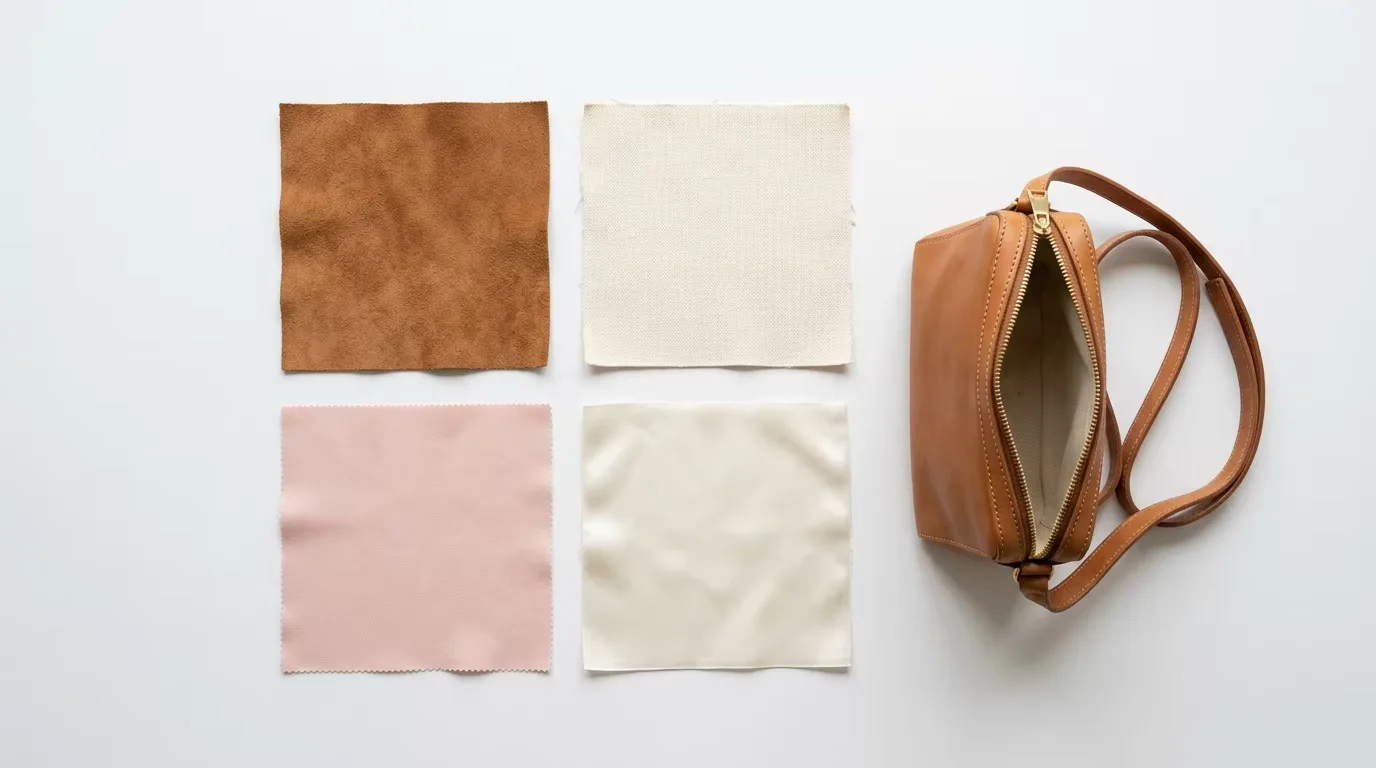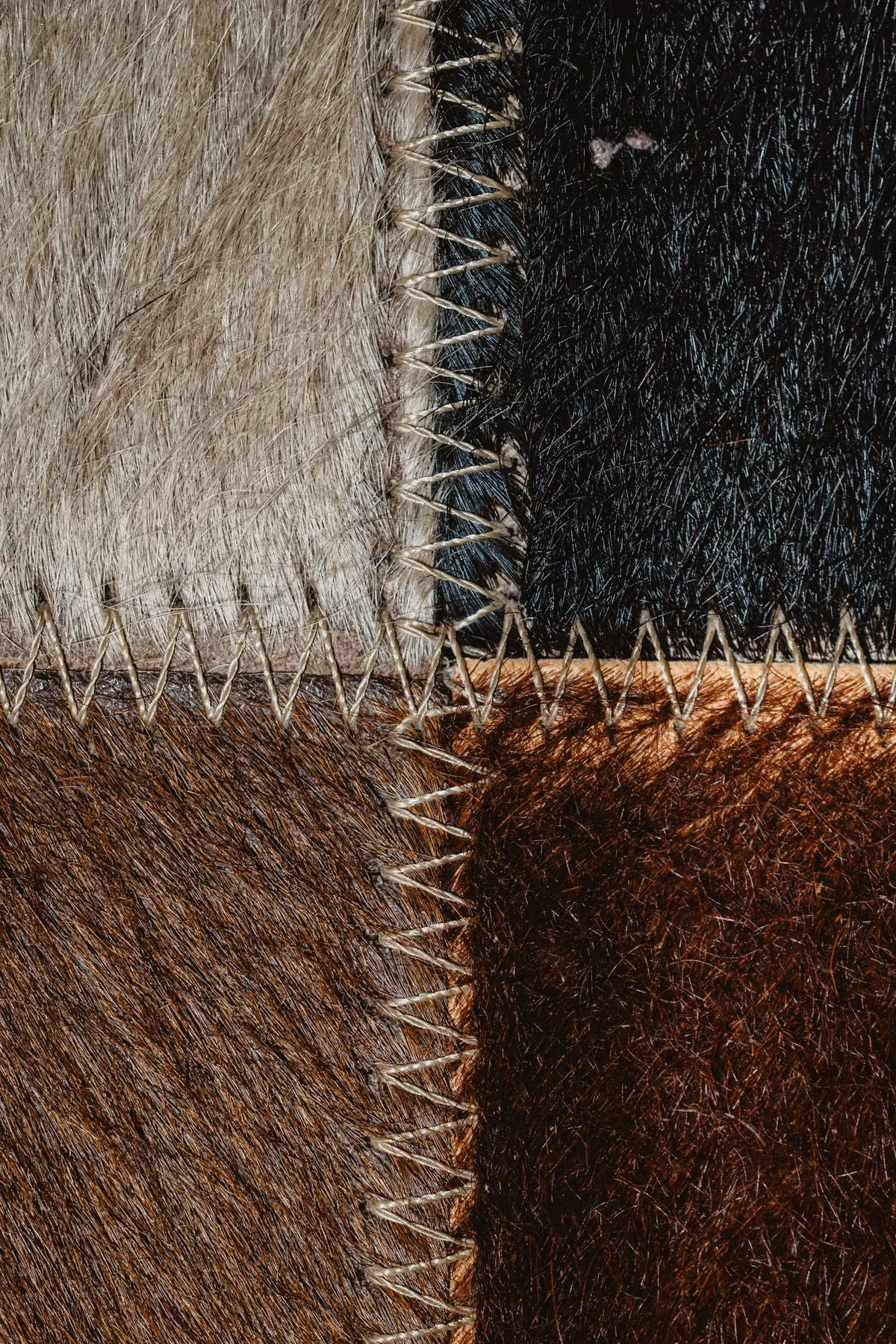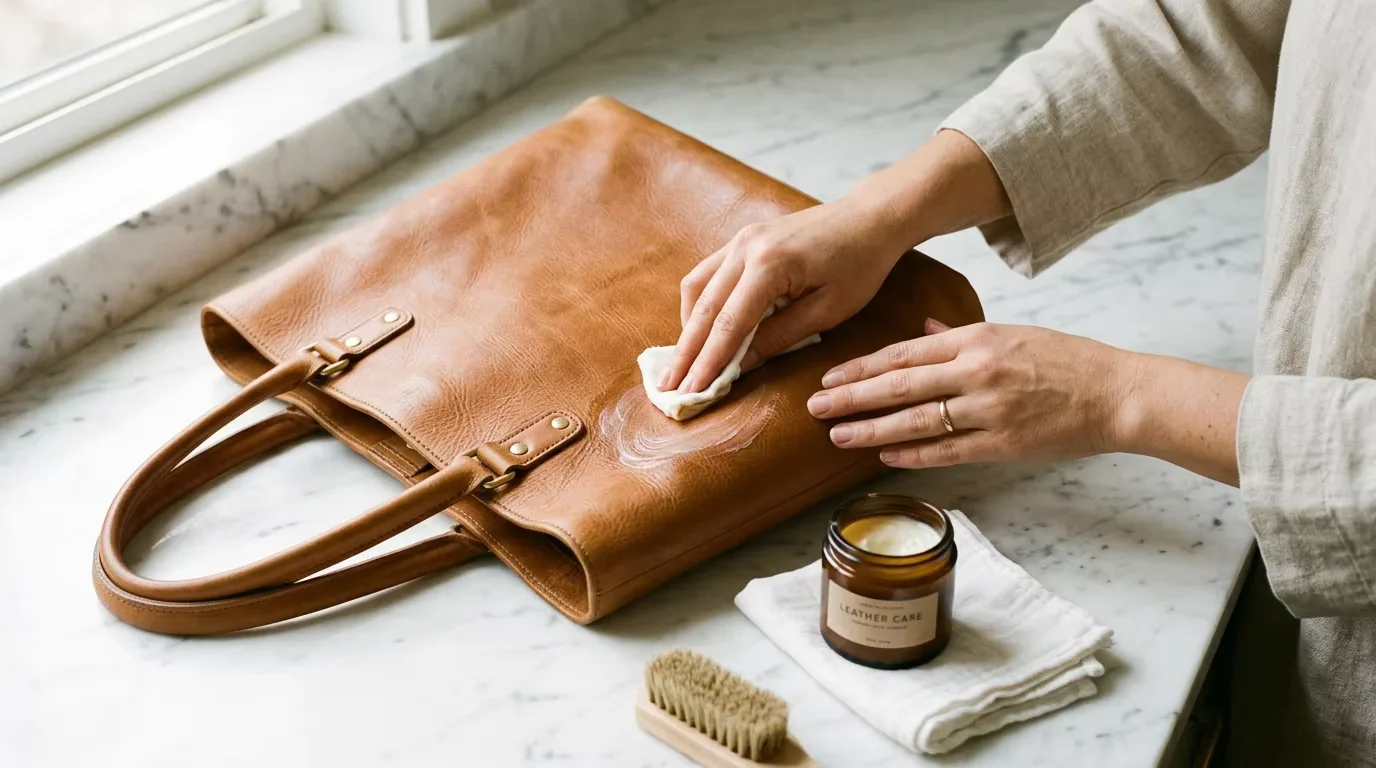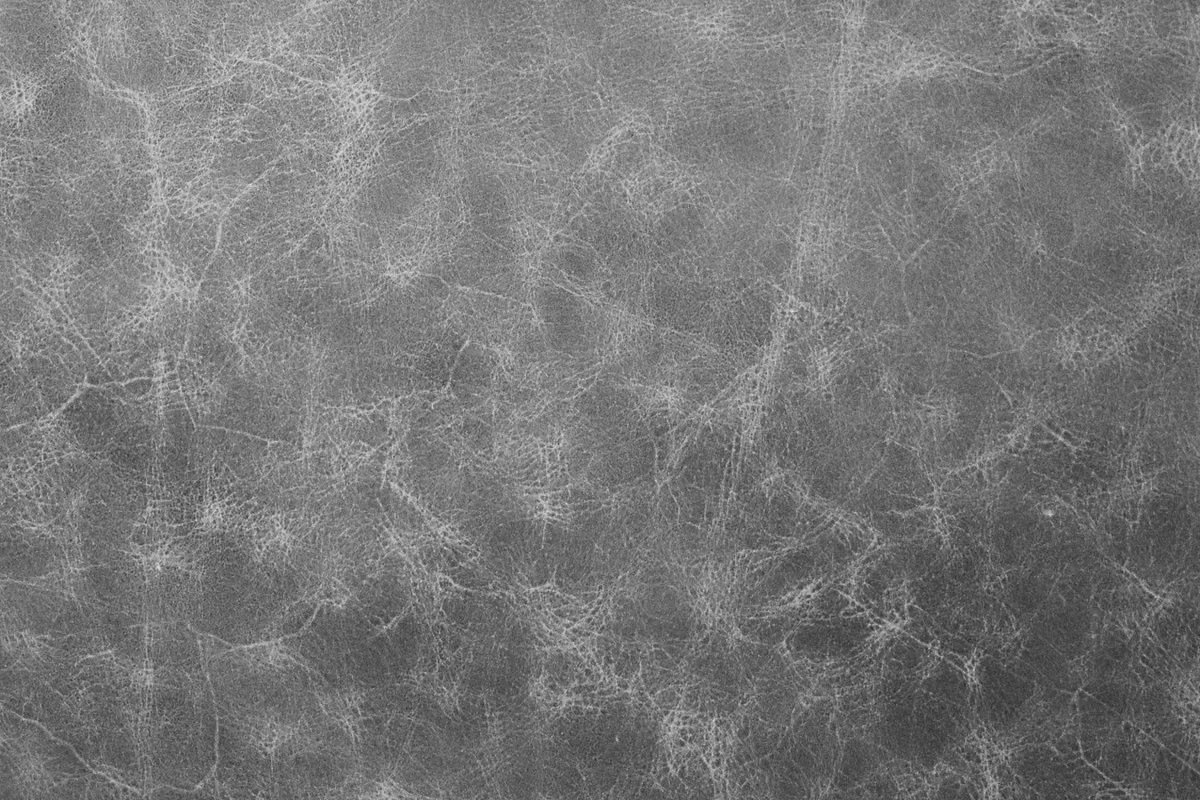
When wholesale buyers ask about leather texture for a bag order, the conversation almost always starts with a vague description — "something that looks premium" or "not too shiny." The problem is that pebbled, smooth, and suede are not just aesthetic preferences. They are distinct material choices that affect production cost, retail price point, care requirements, and which customer demographic will actually buy the finished product.
This guide breaks down the three dominant leather textures used in wholesale handbag production — pebbled, smooth, and suede — covering what each texture actually is, how it performs in retail, and how to match texture choice to your specific brand positioning and target market.
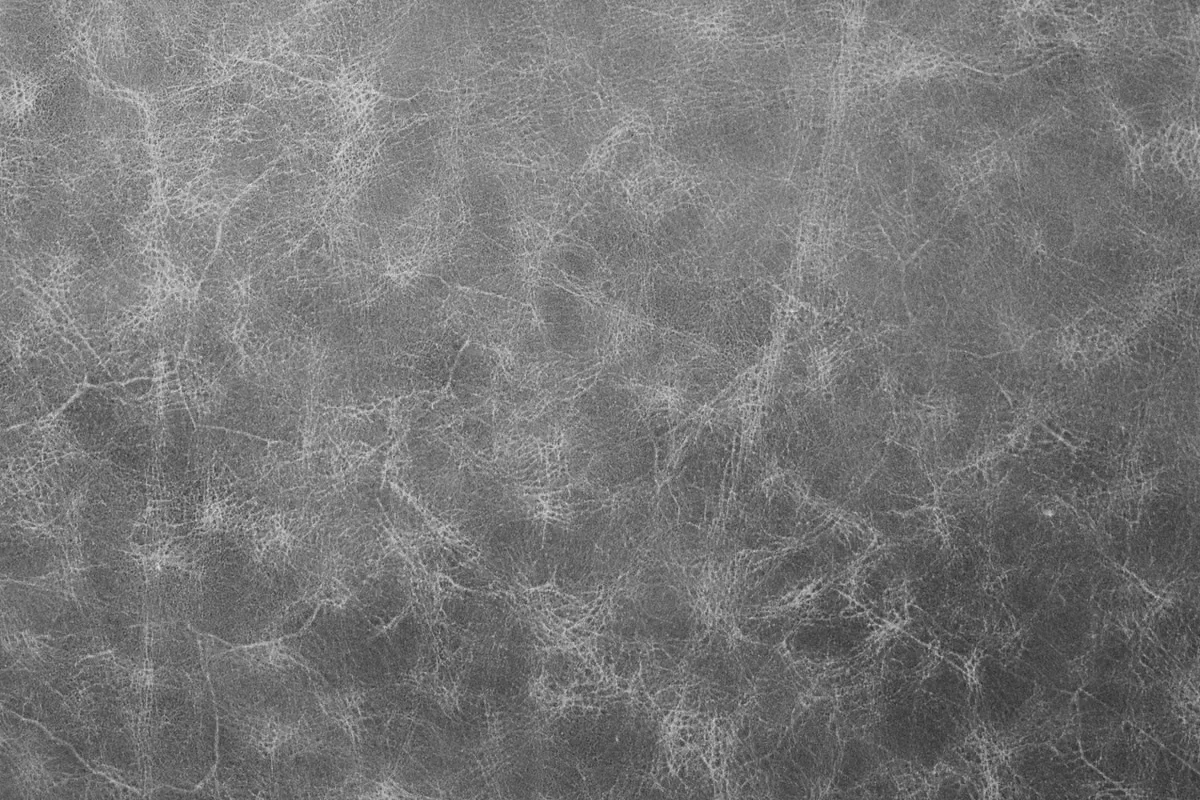
Smooth Leather: The Mid-Market Workhorse
Smooth leather in the handbag context almost always refers to top-grain cowhide that has been lightly sanded and finished with a pigment coating. The sanding removes the natural surface variation of the hide, and the pigment coating is applied uniformly to create a consistent, even appearance across the full panel.
The result is a surface that looks polished and intentional rather than natural. Colors are precise and repeatable across production runs — critical when you are ordering 300 units and need all of them to match. The surface is also more resistant to moisture and surface staining than untreated full-grain, because the pigment coating acts as a barrier.
Where smooth leather performs best
Smooth leather is the dominant texture in the mid-market handbag segment for a reason: it photographs exceptionally well. The even, reflective surface creates clean product images that work across e-commerce, editorial and social media without the visual complexity of a textured surface. For brands doing significant online volume, this is not a trivial advantage.
The texture also reads as "professional" and "polished" to most consumers, making it well-suited to work bags, structured totes, and commuter bags targeting professional women in the 28–45 demographic. The clean surface lends itself to simple, architectural bag forms — it does not need embellishment to feel considered.
Retail price positioning
Smooth top-grain leather typically positions in the $120–$350 retail range for wholesale-produced bags, depending on construction complexity, hardware quality, and brand positioning. Below $120, the buyer is likely receiving genuine leather (split leather with a heavy coating) rather than true top-grain. Above $350, the market expects full-grain or specialty tannages.
Wholesale considerations
Smooth leather shows surface scratches and scuffs more visibly than pebbled, because there is no texture to break up the visual field. For retail channels where bags may be handled frequently before purchase (boutiques, department stores), this is worth noting in your specification — some buyers request a slightly heavier pigment coating or a protective wax finish specifically for retail floor durability.
Pebbled Leather: The Bestseller Texture
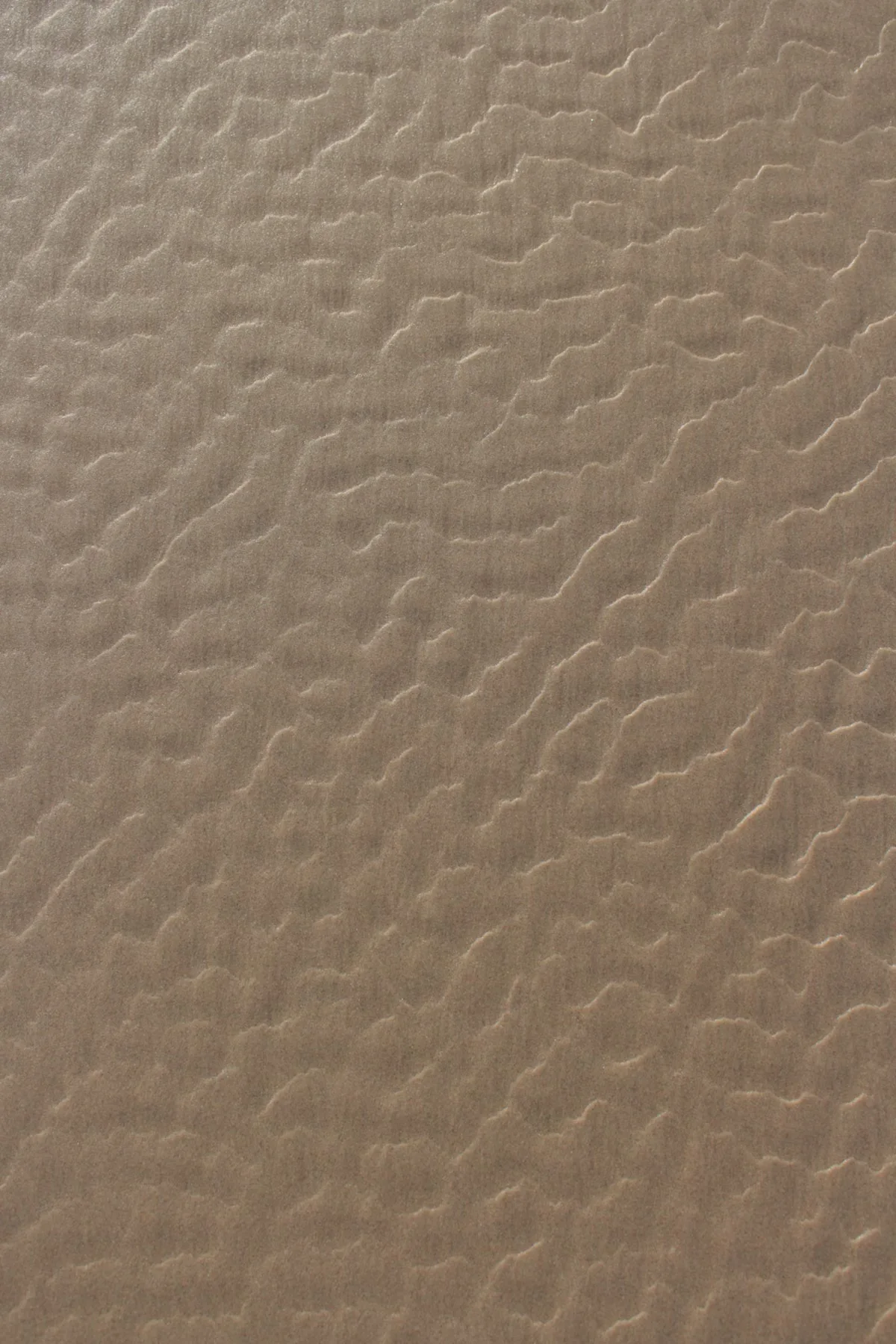
Pebbled leather refers to cowhide that has been tumbled, embossed, or both to create a raised, textured grain pattern across the surface. The grain can range from fine and tight (sometimes called "caviar" grain) to large and pronounced (the classic "pebble" look associated with mid-luxury brands).
The defining commercial advantage of pebbled leather is its extraordinary durability at the surface level. The raised grain pattern physically breaks up light reflection across the surface, which means scratches, fingerprints, and minor scuffs become virtually invisible to the naked eye. A bag that would show obvious surface wear after six months of daily use in smooth leather will look nearly new in pebbled.
Where pebbled leather performs best
Pebbled leather is the top-selling texture across almost every price segment of the wholesale handbag market for precisely this reason. It is the texture that delivers the least post-purchase disappointment — customers keep pebbled leather bags longer, return them less, and write fewer negative reviews about surface wear.
The texture also creates a sense of substance and weight even in lightweight bags. A pebbled leather crossbody that weighs 300 grams feels more substantial than a smooth leather bag of equal weight, because the textured surface creates a visual impression of density. This is valuable for brands selling mid-market bags where tactile quality must justify the price point.
Pebbled works across virtually every bag category and demographic. It is gender-neutral, season-neutral, and style-neutral in a way that smooth leather is not. The one context where it is less appropriate is ultra-minimal, quiet-luxury positioning — brands that trade on absolute restraint sometimes prefer smooth because the clean surface reads as more intentional.
Retail price positioning
Pebbled leather positions across a broader range than smooth — from approximately $80 retail (genuine split leather with pebble emboss) up to $500+ (full-grain TOGO or similar premium pebbled tannages). The texture itself does not signal a specific price tier to most consumers, which is both an advantage (flexibility) and a challenge (you need other elements to justify premium pricing).
Wholesale considerations
Pebbled grain hides manufacturing imperfections better than smooth, which typically means a higher yield rate from the tannery and lower material waste per bag. For high-volume production runs, this can translate into a meaningful unit cost advantage. Ask your factory about yield rates when comparing pebbled versus smooth specifications — the difference is often 5–10% in material efficiency.
Suede: The Premium-Feel Texture
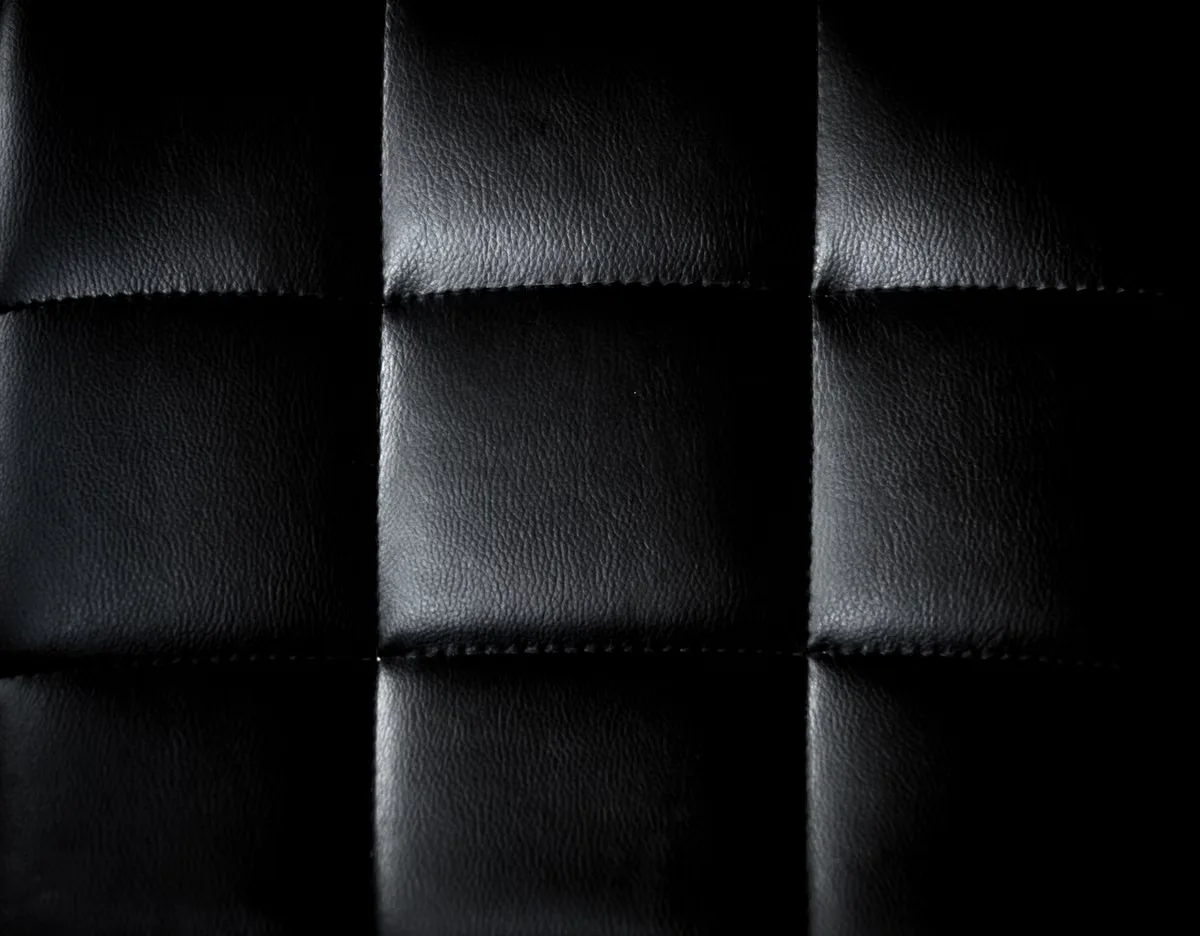
Suede is produced from the inner split of a hide — the flesh side — which is buffed or sanded to create a soft, napped surface. Unlike the grain-side textures described above, suede's tactile quality comes from the exposed fiber structure of the leather rather than from a surface treatment.
The defining characteristic of suede is the tactile experience: it is immediately soft, warm, and luxurious in a way that smooth or pebbled grain leather is not. When a customer picks up a suede bag in a store, the first-touch experience creates a perception of quality that is disproportionate to the actual cost of the material.
Where suede performs best
Suede's primary market is autumn and winter collections in mid-premium to premium price points. The material reads as inherently seasonal — warm, rich, and textural — in a way that aligns naturally with cooler-weather retail psychology. Brands that do two distinct seasonal collections often use suede as their signature autumn/winter texture in the same way they use smooth or pebbled leather for spring/summer.
The texture also performs well in color-rich and statement pieces. Suede absorbs dye differently than grain leather, producing a deeper, more saturated color that photographs well in lifestyle and editorial contexts. Cognac, burgundy, forest green, and deep navy suede bags consistently outperform the same colors in smooth grain leather in autumn/winter editorial sell-through data.
Retail price positioning
Suede typically commands a 15–25% premium over smooth top-grain at equivalent construction quality, because the material requires more careful handling in production (suede marks easily during assembly) and commands stronger consumer perception of luxury. This makes it a good lever for brands looking to move their average order value upward without significantly increasing construction complexity.
Wholesale considerations
Suede's primary limitation is care sensitivity. The napped surface absorbs moisture and stains readily, and consumer care errors (rain, accidental spills, improper cleaning) can permanently alter the surface appearance. For retail channels where post-purchase care support is limited, this is a genuine commercial risk. Brands selling suede should always include care instruction cards with products and may want to specify a factory-applied suede protector coating at production.
Suede also has more directional variation in production — the nap runs in a direction, and panels must be consistently oriented during cutting and assembly or the finished bag will show shading differences between panels. This requires more careful quality oversight than grain leather production and should be factored into your factory evaluation and QC protocol.
Which Texture Sells Best in Wholesale?
The direct answer is pebbled, by volume, across most markets and price segments. The combination of durability, versatility, and universal consumer appeal makes it the highest-volume texture in wholesale leather goods globally.
But "sells best" is not the same as "right for your brand." The more useful framework is matching texture to positioning:
- Smooth — clean, architectural, professional positioning. Best for: structured work bags, minimal aesthetic brands, e-commerce-first strategies where photography quality drives conversion.
- Pebbled — versatile, durable, broad commercial appeal. Best for: brands building volume across multiple categories and demographics, accessible-premium positioning, any channel where post-purchase durability drives repeat purchase and referral.
- Suede — premium tactile experience, seasonal positioning. Best for: autumn/winter hero pieces, brands building a multi-texture collection with distinct seasonal identities, buyers targeting the 35+ consumer who prioritizes feel over practicality.
For buyers building a first or second wholesale collection, the reliable starting point is pebbled for the majority of styles, smooth for any structured hero piece where clean photography is paramount, and suede reserved for one or two statement SKUs in an autumn/winter capsule. This combination delivers commercial breadth without overcomplicating the production and quality oversight burden.
As your brand matures and you develop a clearer sense of which textures your specific customer responds to, you can narrow or expand your texture strategy accordingly. The data from your first few production seasons — which textures move fastest, which generate the fewest returns, which get re-ordered most reliably — will be more valuable than any general market analysis for deciding where to concentrate your material investment.
B2B Buyer Checklist
Before you request a quote, prepare the information that affects MOQ, sample cost, lead time and final unit price.
- Target product category, size and reference images.
- Expected order quantity per style and per color.
- Material preference, lining requirements and hardware finish.
- Logo method, packaging items and delivery country.
- Target retail price or target factory price range.
Decision Table
| Buyer Question | Why It Matters | What to Send the Factory |
|---|---|---|
| What is my MOQ target? | MOQ affects material sourcing, production planning and unit price. | Quantity per style, per color and launch schedule. |
| Which material should I choose? | Material controls price band, durability and brand positioning. | Reference photos, desired texture and target market. |
| How much customization do I need? | Logo, lining, hardware and packaging change sample time and cost. | Logo files, packaging references and required details. |
| What is my delivery deadline? | Sampling, production and shipping need realistic planning. | Launch date, delivery country and preferred shipping method. |