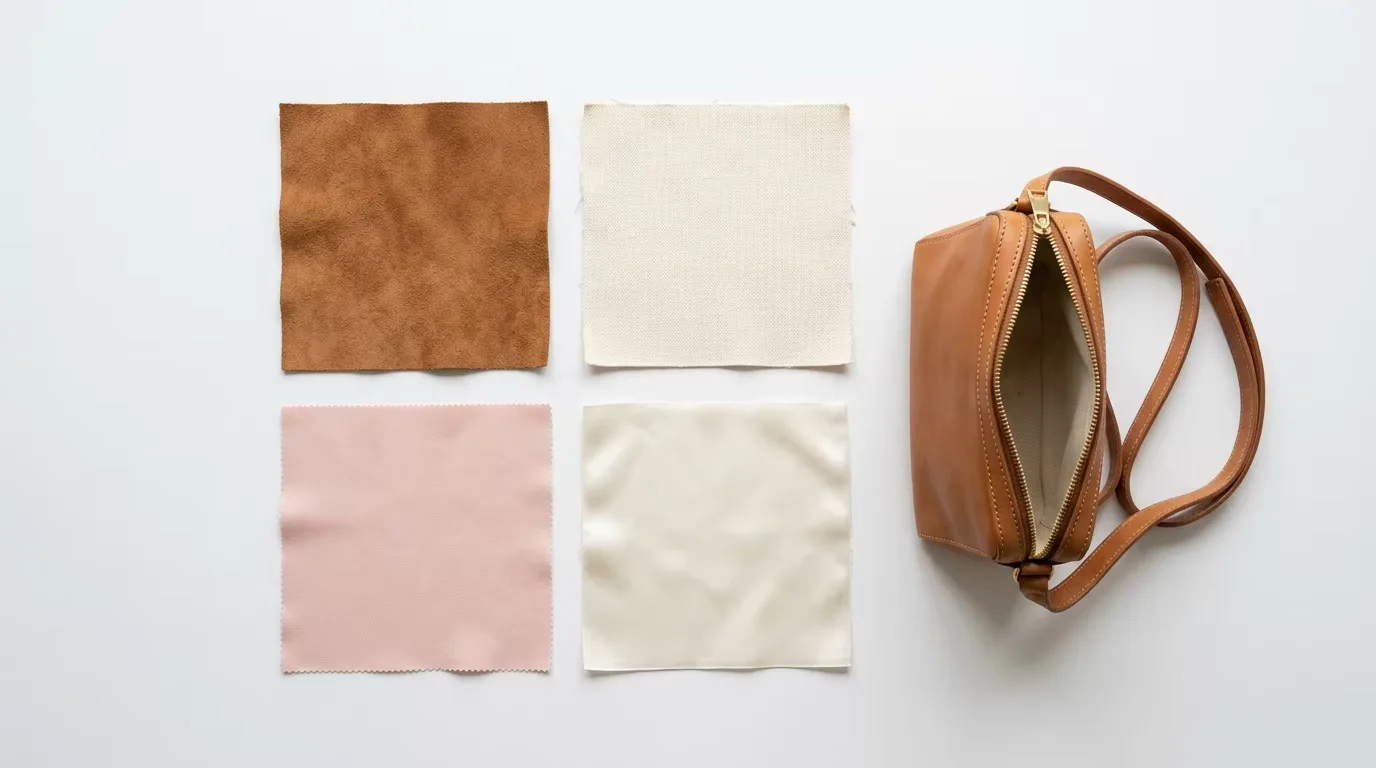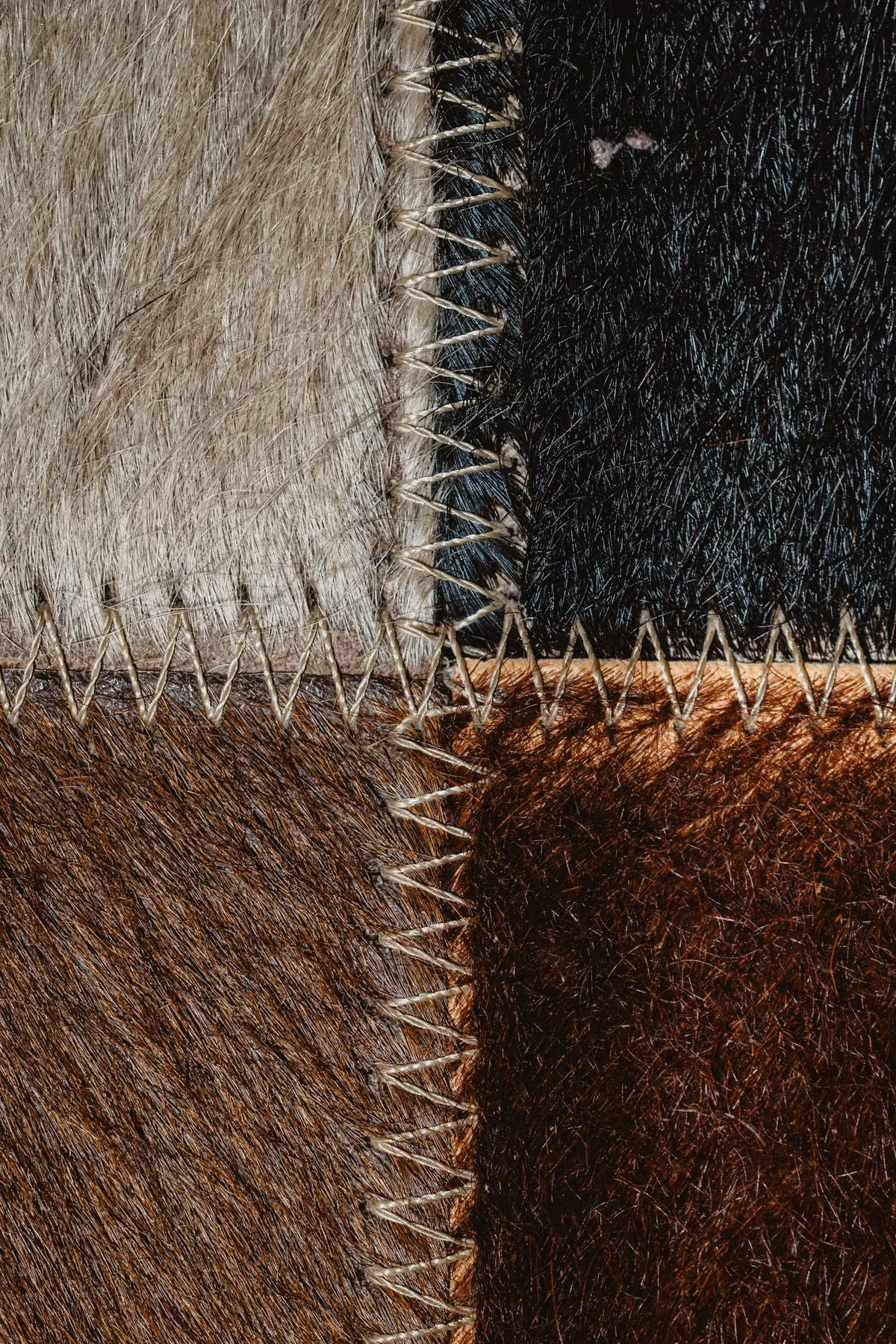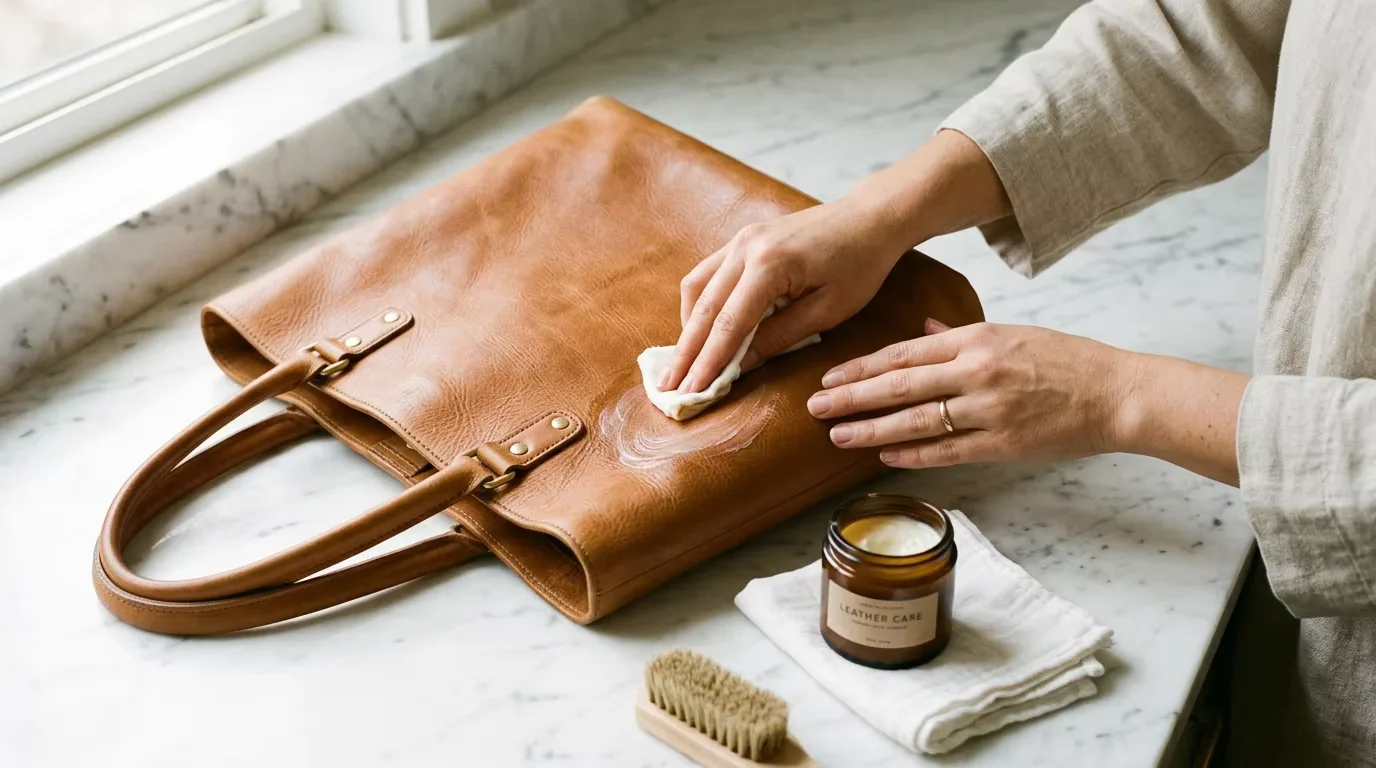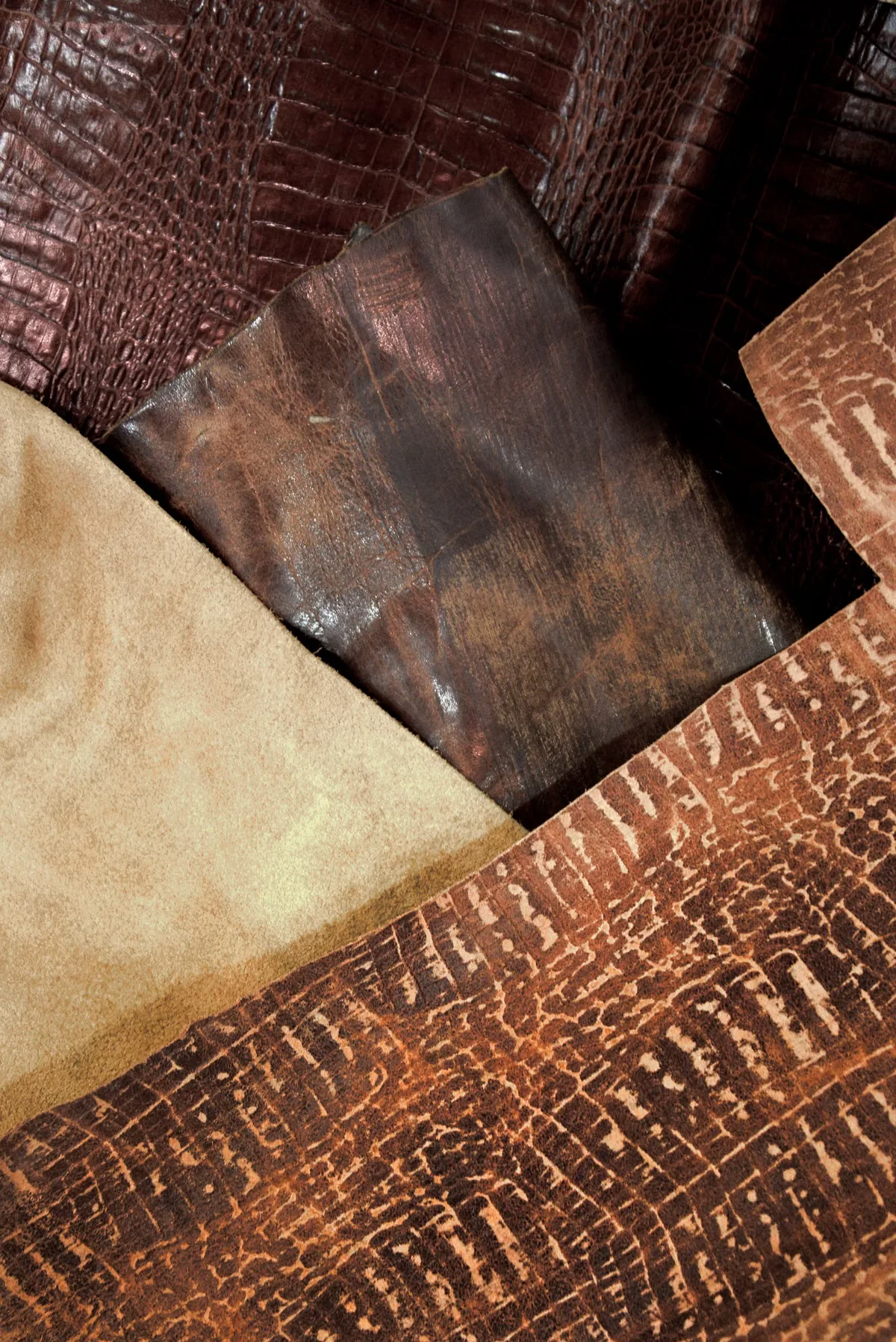
Walk into any leather goods wholesale showroom and you will see the same word printed on nearly every product tag: "genuine leather." In a B2B context, this label tells you almost nothing useful. It is one of four distinct quality tiers used to grade cowhide, and it sits near the bottom of that hierarchy — yet it commands the same label as material that is four or five times more durable and costs proportionally more per square foot.
If you are sourcing leather bags at scale, or building a brand that will stand behind a material claim to your end customers, you need to understand exactly what these labels mean, how they differ structurally, and what those differences mean for product longevity and retail positioning. This guide covers the four main leather grades used in handbag manufacturing: full-grain, top-grain, genuine leather, and bonded leather.
The Leather Grading System: Where These Labels Come From
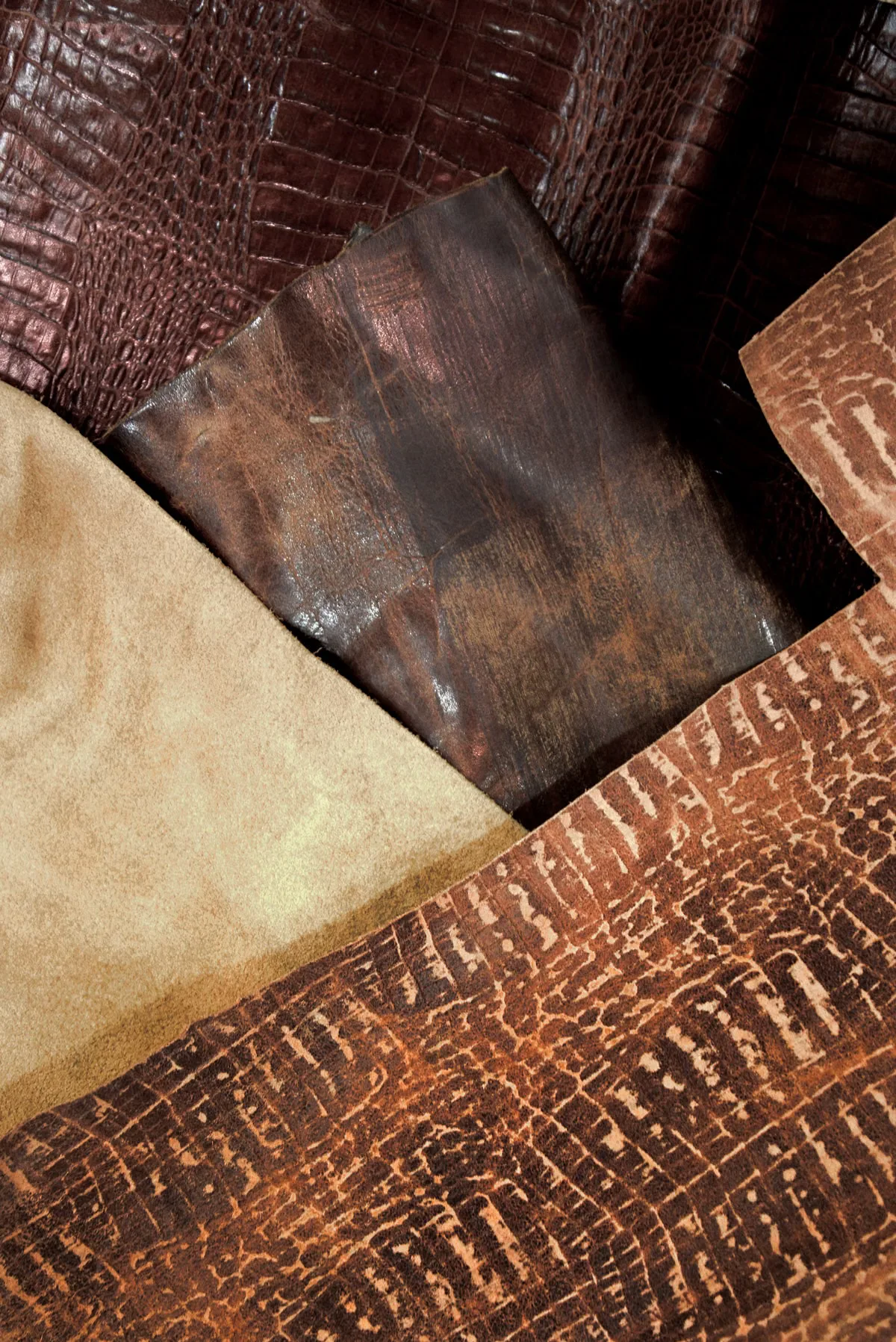
All four leather grades come from the same raw material: animal hide, most commonly cowhide. The difference between grades is not the animal or the tannery — it is how much of the hide's original structure is preserved after processing, and what finishing treatments are applied to the surface.
A cowhide has two primary layers. The outer layer — the grain side — contains the densely packed collagen fiber network that gives leather its strength, breathability, and ability to develop a patina. The inner layer — the flesh side — has a looser fiber structure and is inherently weaker. The higher the leather grade, the more of the original grain layer is preserved intact. The lower the grade, the more the surface has been sanded, split, or reconstituted away from the natural grain.
Understanding this structural principle makes the grading system logical rather than arbitrary.
Full-Grain Leather: The Highest Grade
Full-grain leather is hide that has been tanned and finished with the complete grain layer intact. The surface has not been sanded, buffed, or corrected. Any natural marks — healed scratches, insect bites, growth marks — remain visible in the finished leather. These are not defects in full-grain leather; they are evidence of authenticity and natural origin.
Because the grain layer is fully intact, full-grain leather has the tightest fiber structure of any leather grade. This translates to:
- Superior tensile strength — full-grain leather resists tearing and puncture better than any other grade at equivalent thickness
- Natural breathability — the intact pore structure allows moisture vapor to pass through, which is why full-grain leather bags feel more comfortable against the body in warm weather
- Patina development — the surface oxidizes and absorbs natural oils from handling over time, producing the rich darkening and character that makes aged full-grain leather more desirable, not less
- Longevity measured in decades — a well-constructed full-grain leather bag held together by quality stitching will outlast the brand that made it in many cases
For B2B buyers, full-grain leather commands a significant unit cost premium but supports equally significant retail price points. Brands positioning at the premium or luxury-adjacent end of the market should specify full-grain explicitly and ask for tannery documentation to verify the material claim.
Common full-grain leathers in handbag manufacturing include vegetable-tanned cowhide (firm hand, natural color development), Nappa (soft, fine-grained lambskin or calfskin), and TOGO (a pebbled full-grain cowhide with a distinctive raised grain pattern).
Top-Grain Leather: The Most Common Grade in Mid-Market Bags
Top-grain leather starts from the same hide as full-grain, but the surface is lightly sanded or buffed to remove natural imperfections before a pigment coating or finishing layer is applied. This produces a more uniform, consistent surface appearance — critical for brands that need color consistency across large production runs.
The sanding process removes the outermost, tightest layer of the grain structure. The fiber network below is still intact and still strong, but the surface no longer develops a patina the way full-grain does. Instead, the pigment finish is what ages — which means top-grain leather tends to show wear at high-contact points (corners, handles, zipper pulls) as the finish layer gradually abrades away to reveal the underlying leather.
Top-grain is the dominant leather grade in the mid-market handbag segment for good reasons. It offers:
- Visual consistency — essential for large production runs where color matching across units matters
- Lower rejection rate — imperfections that would remain visible in full-grain are corrected before finishing
- Strong durability — still far more durable than genuine or bonded leather
- Cost efficiency — typically 30–50% less expensive than comparable full-grain at wholesale
Most leather bags in the $150–$500 retail price range use top-grain leather. It is a legitimate, durable material that supports quality brand claims — as long as it is not marketed as full-grain.
Genuine Leather: What the Label Actually Means
Here is where most B2B buyers are surprised. "Genuine leather" does not mean "authentic leather" in the sense most consumers assume. It is a specific grade designation that refers to the lower layers of a split hide — the layers that remain after the grain surface has been split off to produce top-grain leather.
When a hide is split, the top layer (with the grain) goes toward top-grain and full-grain production. The remaining lower layers — sometimes called the split or the corium — are the raw material for genuine leather. These splits have a much looser, less organized fiber structure than the grain layer above. They are weaker, less breathable, and do not develop a patina.
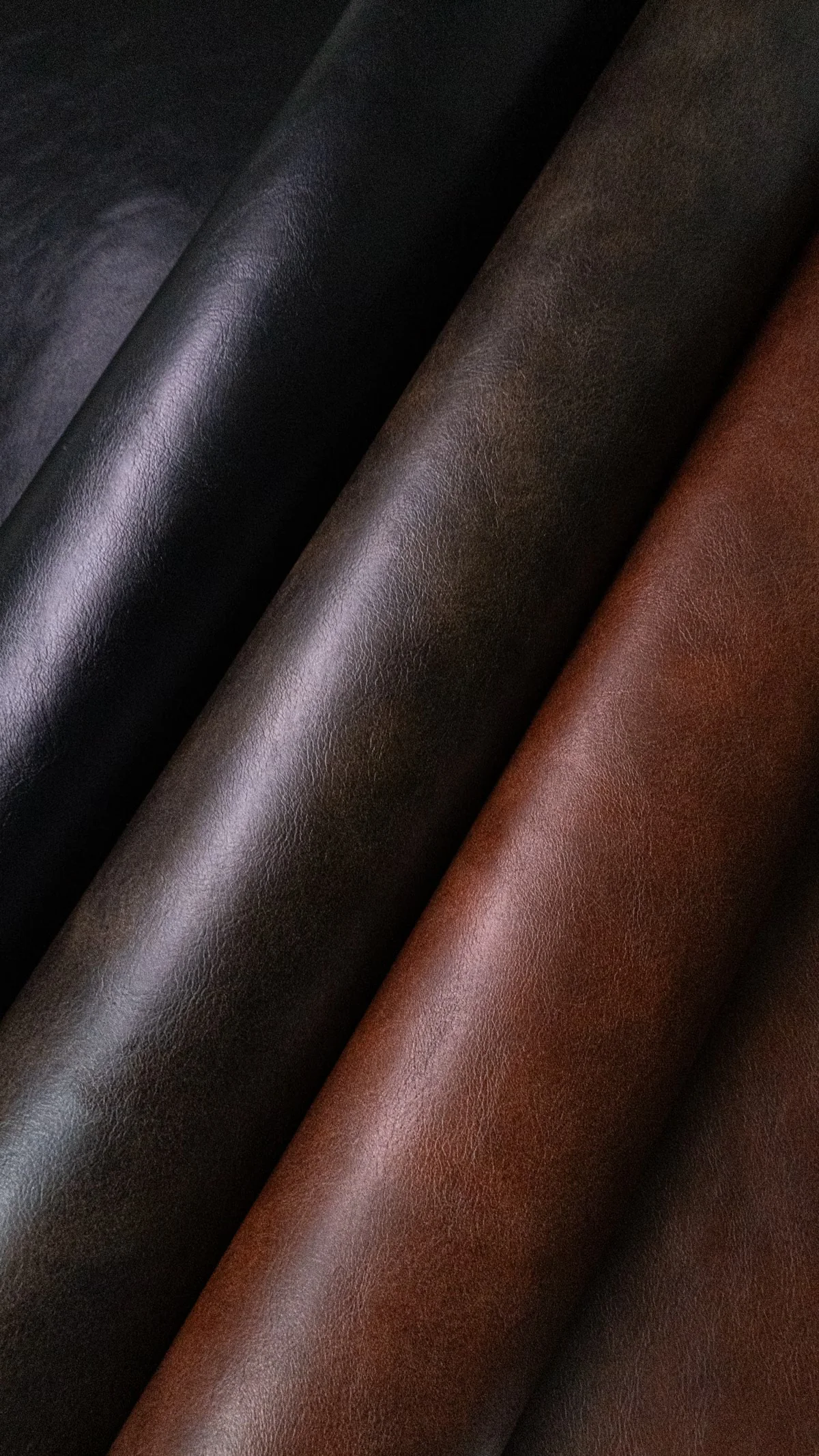
To make genuine leather look presentable, manufacturers apply a polyurethane or polyvinyl coating to the surface, then emboss or print a grain pattern onto it. This is why genuine leather often looks like leather at first glance — the surface is artificial, but it is applied to a real animal fiber substrate.
In practical terms, genuine leather bags:
- Peel and flake at stress points within one to three years of regular use, as the surface coating delamninates from the weaker fiber base beneath
- Do not breathe well — the polyurethane coating blocks the pore structure
- Cannot be re-conditioned or restored the way full-grain or top-grain can
- Are technically "real leather" (animal fiber) but perform more like synthetic materials
For B2B buyers, genuine leather is appropriate for products where unit cost must be minimized and durability is not a primary value proposition — fashion-forward seasonal items, promotional merchandise, or price-sensitive markets. It is not appropriate for brands positioning on quality or longevity.
The labeling issue is significant: many manufacturers list products as "genuine leather" knowing that end consumers interpret the word "genuine" as a quality claim rather than a grade designation. Brands should be explicit with their customers about what they are selling.
Bonded Leather: The Grade Buyers Should Know to Avoid
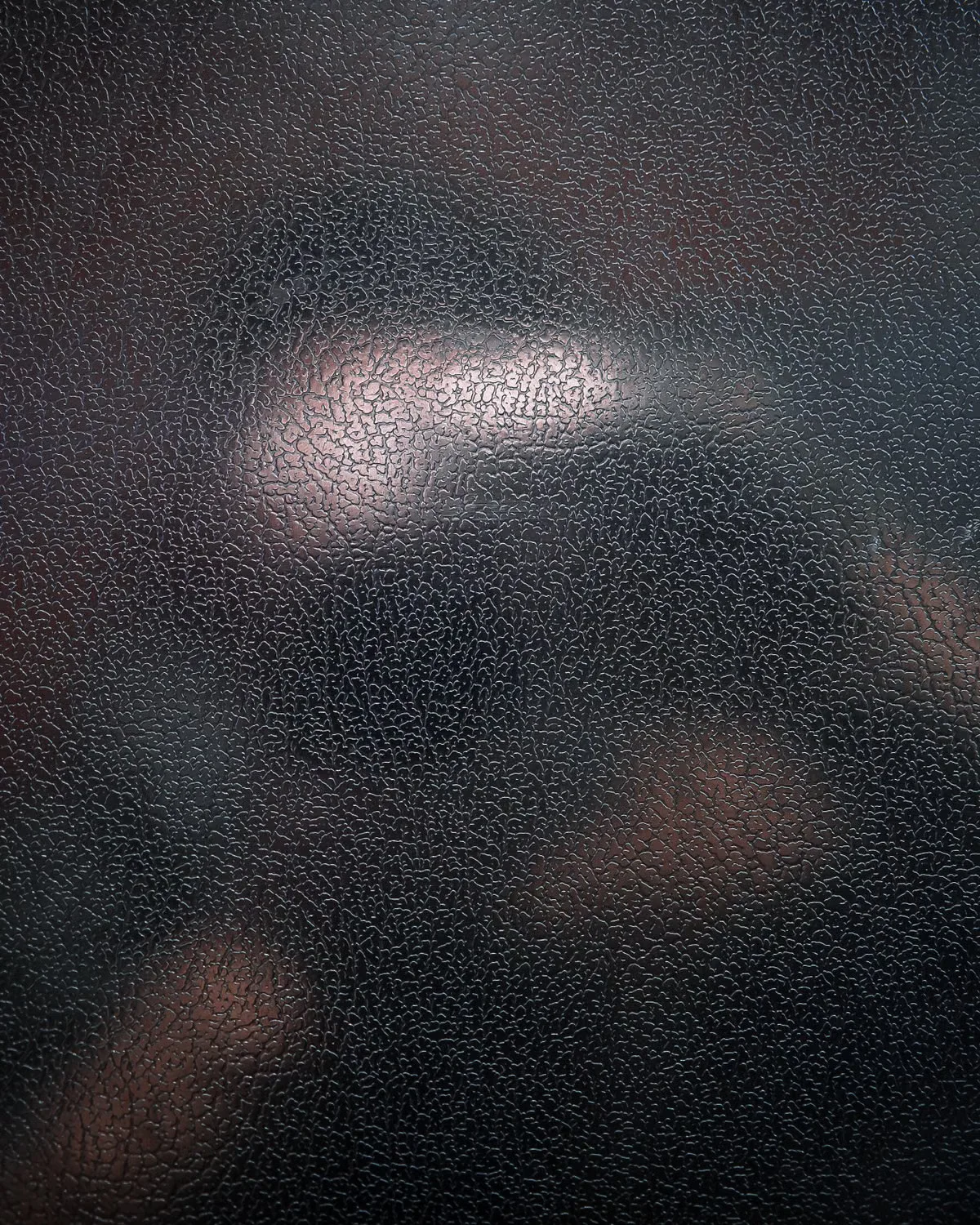
Bonded leather sits at the bottom of the leather grade hierarchy. It is manufactured from leather fiber waste — scraps, offcuts, and dust from leather processing — that are ground up, mixed with a polyurethane or latex binder, and pressed onto a fiber or paper backing. The result is a sheet material that contains leather fiber but has none of the structural properties of a continuous hide.
Bonded leather typically contains 10–20% leather fiber by weight, with the remainder being synthetic binders and backing material. It is sometimes called "reconstituted leather," "recycled leather," or in low-quality contexts, simply "leather" without further qualification.
The failure mode of bonded leather is distinctive and rapid: the surface does not wear gradually like genuine leather — it cracks and peels in large sections, usually within six to eighteen months of regular use. Once delamination begins, it cannot be repaired. The bag is effectively at end of life.
For any brand selling to consumers who will keep and use a bag for more than one season, bonded leather is a brand reputation risk. Returns, negative reviews, and chargeback claims from disappointed customers who believed they were buying a durable product tend to follow.
Identifying bonded leather in a production sample: look for a perfectly uniform surface with no variation whatsoever — no natural grain variation, no slight color depth differences, nothing that suggests the surface came from a living animal. The backing will typically be a thin fiber or paper layer that you can see if you examine a cut edge. The material will also feel lighter and more rigid than genuine hide of equivalent thickness.
How to Specify the Right Grade for Your Product
When placing an order with a leather goods factory, the material specification needs to state the grade explicitly. "Leather" or "genuine leather" is not a sufficient specification if you intend to receive top-grain or full-grain material. Factories will use the most cost-effective material that meets the stated specification — which in the absence of a specific grade designation is often genuine leather or bonded leather.
A complete leather material specification for a production order should include:
- Grade: full-grain / top-grain / genuine (split) — stated explicitly
- Hide source: cowhide, lambskin, calfskin, etc.
- Tannage method: vegetable-tanned, chrome-tanned, or combination
- Thickness: in millimeters (e.g., 1.2–1.4mm for bag body panels)
- Finish type: aniline (no pigment coating, most natural), semi-aniline, or pigmented (fully coated)
- Color specification: Pantone reference or approved color swatch
Factories that supply reputable international brands will be able to work from this level of specification without difficulty. If a factory seems unclear about the distinction between grades, that itself is a signal worth noting in your supplier evaluation.
Reading Labels as an End Consumer vs. a B2B Buyer
One final note on the labeling question. Consumer protection regulations in most markets require that products labeled "leather" contain at least some percentage of animal hide — but the grade and percentage requirements vary significantly by jurisdiction. In the United States, the FTC requires that bonded leather products be labeled "bonded leather" if they contain less than a certain percentage of genuine fiber. In the EU, labeling requirements cover fiber composition but do not always specify grade.
As a B2B buyer building a brand, you have a responsibility to your customers that goes beyond minimum regulatory compliance. If your customers are paying a price premium that implies material quality, the leather grade should support that implication. This is not just an ethical consideration — it is a commercial one. Brands that earn a reputation for honest material claims build the kind of customer loyalty that sustains repeat purchase and word-of-mouth growth. Brands that obscure material quality behind ambiguous labeling tend to generate one-time sales and long-term review problems.
Understanding the leather grading system gives you the knowledge to make honest claims, negotiate material specifications with confidence, and build products that genuinely deliver on what the label says.
B2B Buyer Checklist
Before you request a quote, prepare the information that affects MOQ, sample cost, lead time and final unit price.
- Target product category, size and reference images.
- Expected order quantity per style and per color.
- Material preference, lining requirements and hardware finish.
- Logo method, packaging items and delivery country.
- Target retail price or target factory price range.
Decision Table
| Buyer Question | Why It Matters | What to Send the Factory |
|---|---|---|
| What is my MOQ target? | MOQ affects material sourcing, production planning and unit price. | Quantity per style, per color and launch schedule. |
| Which material should I choose? | Material controls price band, durability and brand positioning. | Reference photos, desired texture and target market. |
| How much customization do I need? | Logo, lining, hardware and packaging change sample time and cost. | Logo files, packaging references and required details. |
| What is my delivery deadline? | Sampling, production and shipping need realistic planning. | Launch date, delivery country and preferred shipping method. |