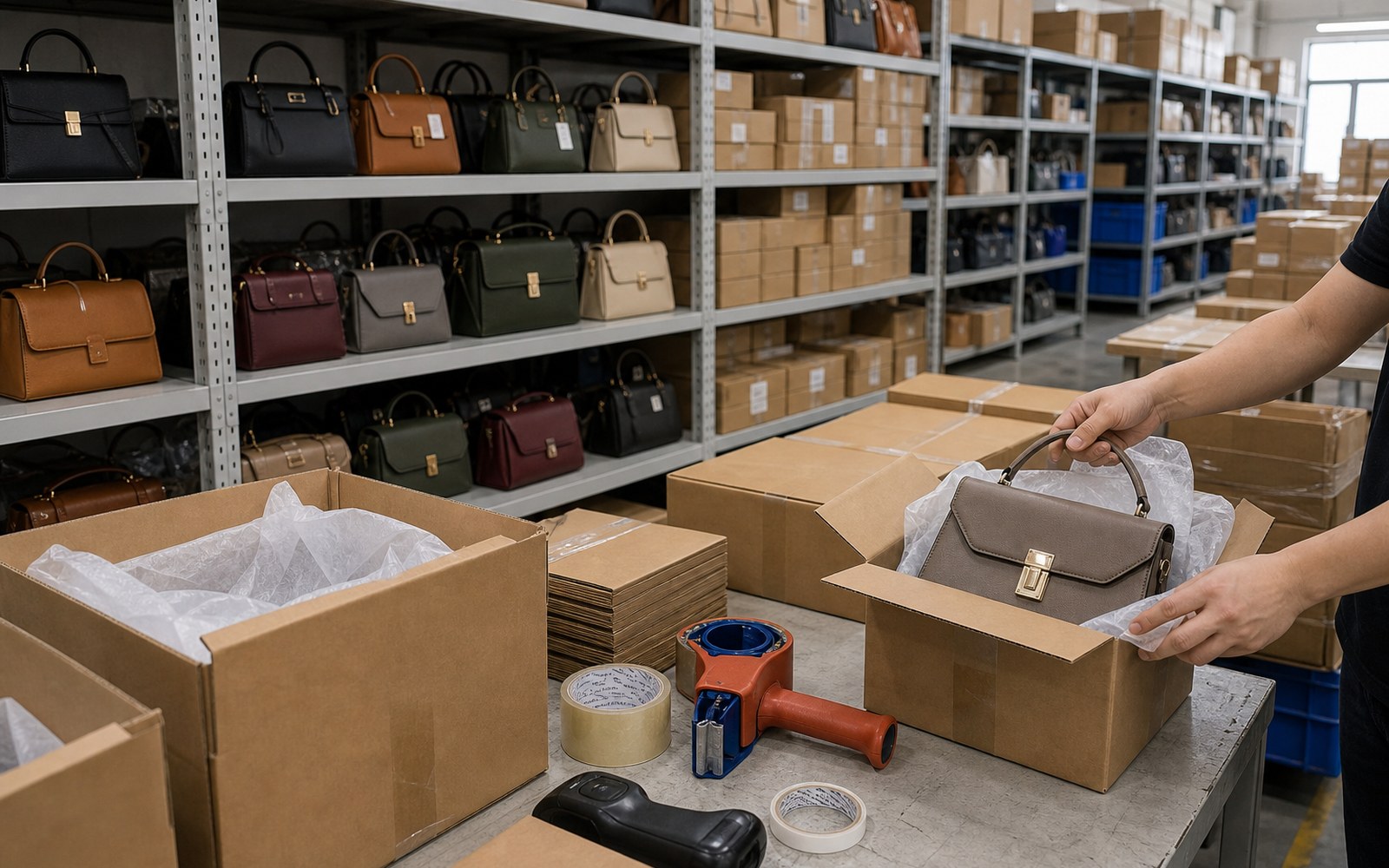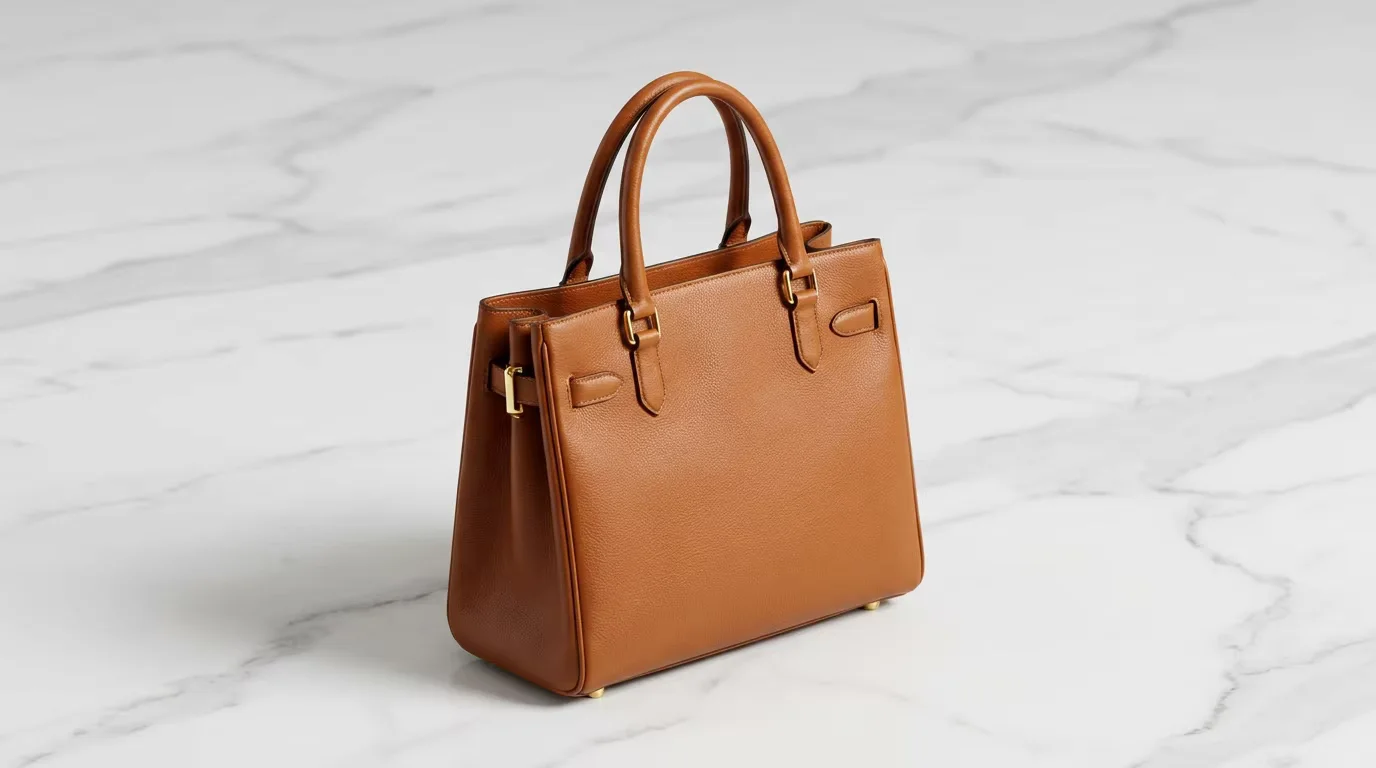
For boutique owners, fashion startups, and retail buyers, the custom tote bag has become one of the most versatile and commercially powerful products to carry. Structured or slouchy, everyday or elevated — a well-sourced leather tote can anchor an entire collection. But finding the right manufacturing partner and getting the sourcing process right is where most brands stumble.
This guide walks you through everything you need to know about sourcing custom tote bags in 2026, from choosing materials to navigating MOQs and private labeling.
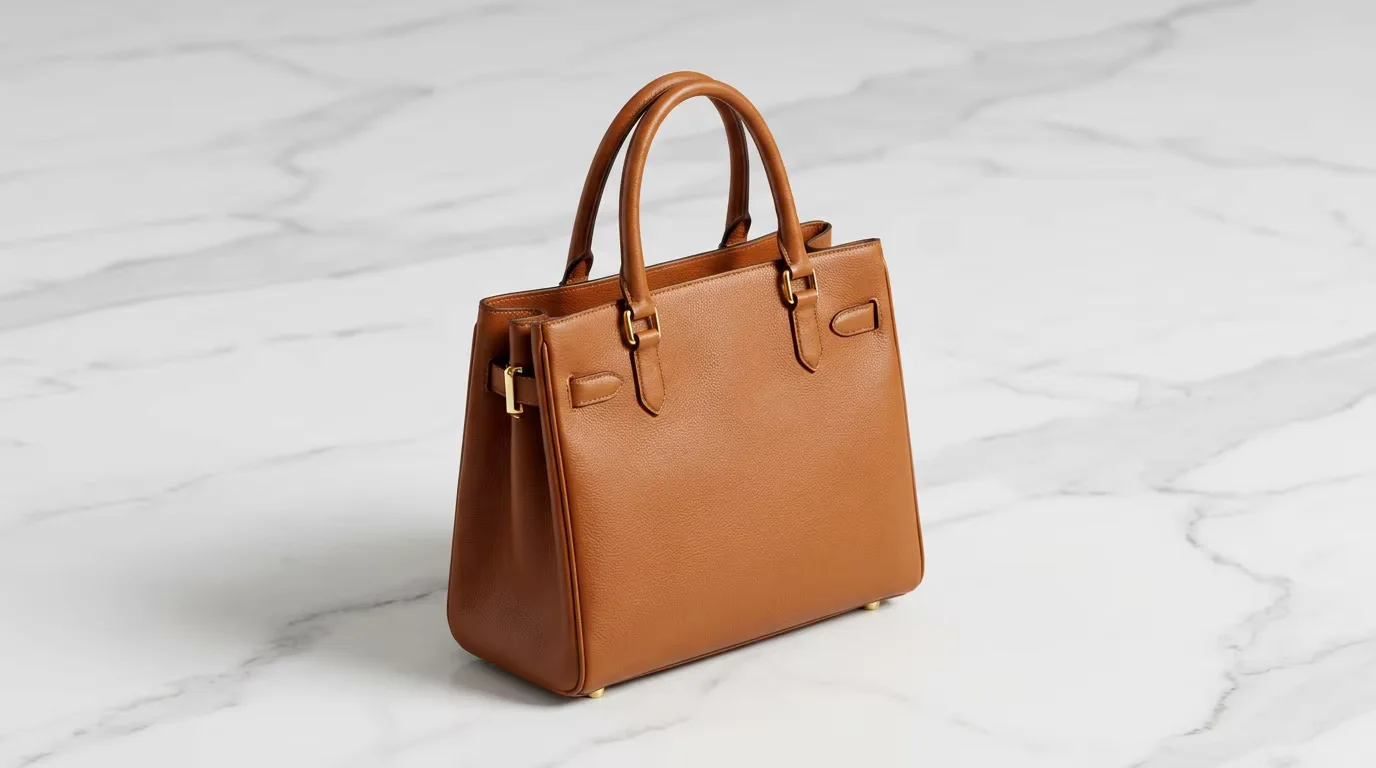
1. Define Your Tote Bag Style First
Before reaching out to any manufacturer, you need a clear brief. Custom tote bags come in a wide range of silhouettes, and the style you choose will determine your target customer, price point, and even which factory is best suited for production.
The most commercially successful styles in 2026 include:
- Structured Open-Top Totes: Clean lines, rigid base, no zipper. Perfect for minimalist brands targeting the office and commuter market.
- Zippered Totes: Offers security without sacrificing elegance. A top seller for boutiques in urban markets.
- Slouchy Bucket Totes: Relaxed silhouette in soft leather or sheepskin. Extremely popular with the quiet luxury and European aesthetic.
- Oversized Shopper Totes: Large capacity, thin handles, ideal for the beach-to-city lifestyle market.
Define your silhouette, your target customer, and the occasions the bag is designed for before you brief any supplier.
2. Choosing Your Leather: The Most Important Decision
The material defines the product. For custom tote bags positioned as premium or luxury, your leather choice is everything.
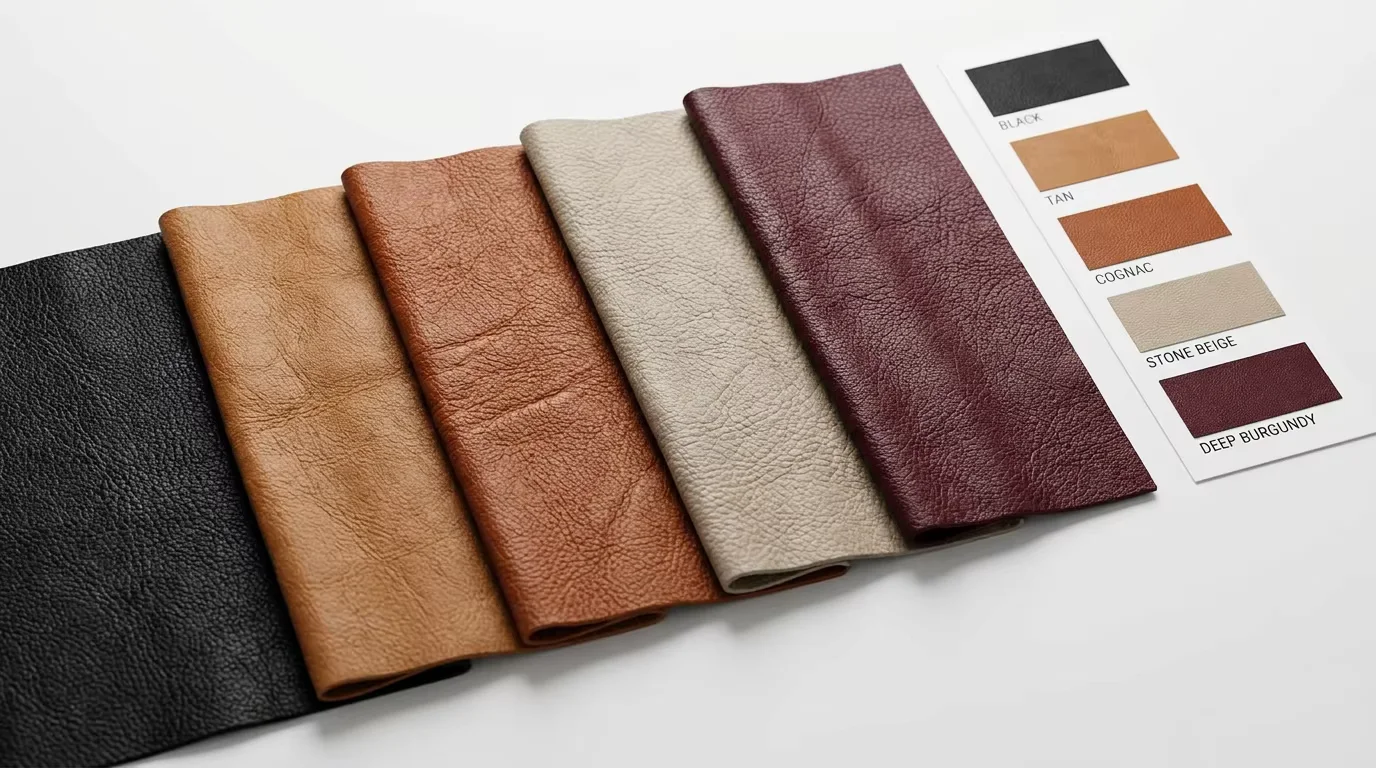
Here is a breakdown of the most commonly used leather types for wholesale tote bags:
- Top-Grain Cowhide: The most popular choice for structured totes. Durable, smooth finish, holds shape excellently over time. Available in a wide range of colors and textures (pebbled, saffiano, smooth).
- Full-Grain Leather: The highest grade, with natural markings intact. Develops a beautiful patina. Best for heritage-positioned or artisan brands.
- Sheepskin / Lambskin: Butter-soft, lightweight, and luxurious to the touch. Ideal for slouchy, relaxed silhouettes. Less scratch-resistant than cowhide.
- Saffiano Leather: Cross-hatch embossed texture, highly scratch and water resistant. A favorite for structured professional totes.
When requesting samples from your manufacturer, always ask for leather swatches in your chosen colors. Touch the material, check the grain consistency, and bend it to see how it moves.
3. Private Labeling and Branding Your Custom Tote
One of the biggest advantages of working directly with a leather goods factory is the ability to create a fully private label product. This means every bag carries your brand identity — not the factory's.
Standard private label customization options include:
- Embossed or debossed brand logo on the exterior leather panel
- Custom branded hardware (zippers, clasps, D-rings in your specified finish)
- Woven or printed fabric lining with your logo or pattern
- Custom care labels and hang tags
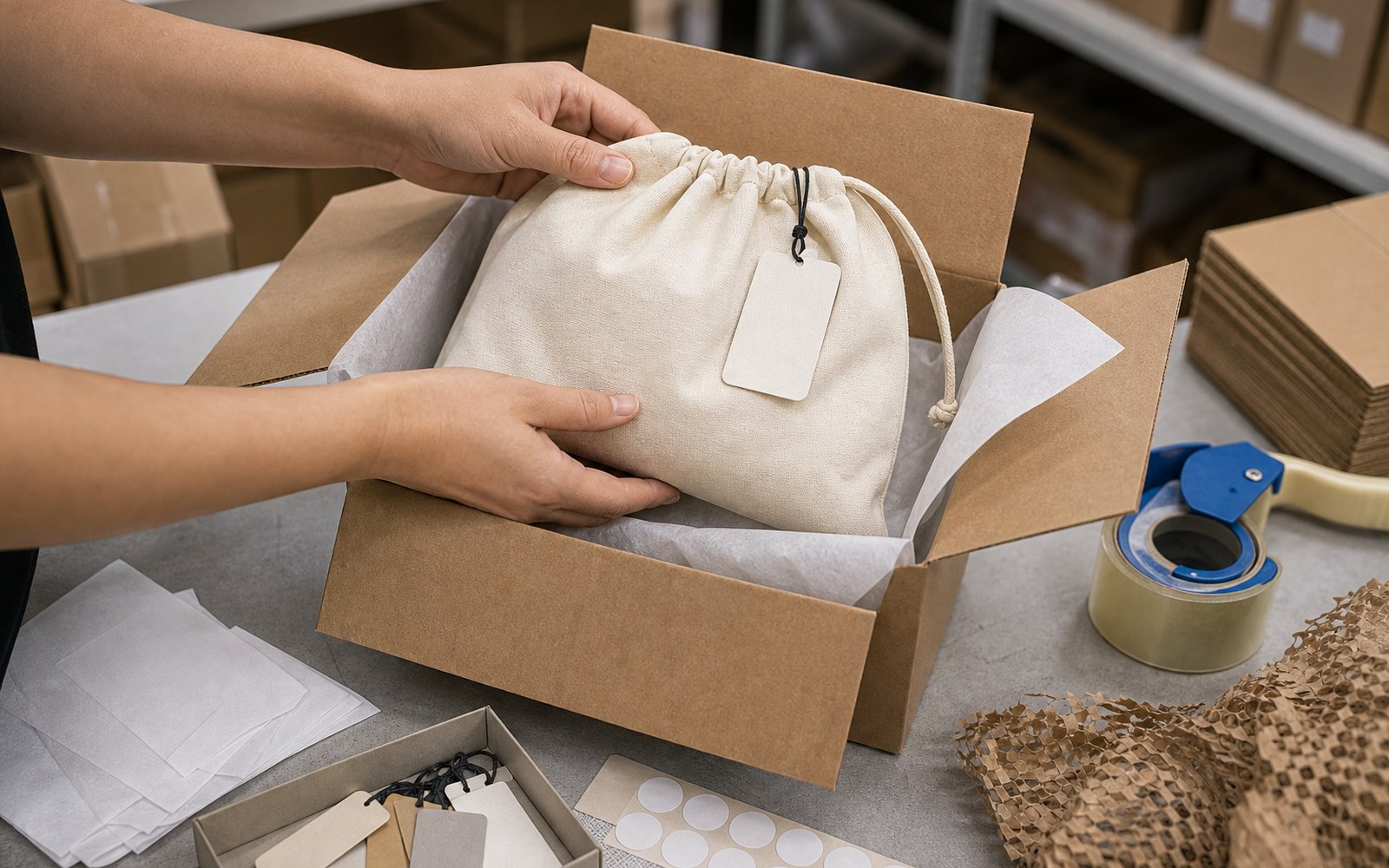
- Branded dust bags for packaging
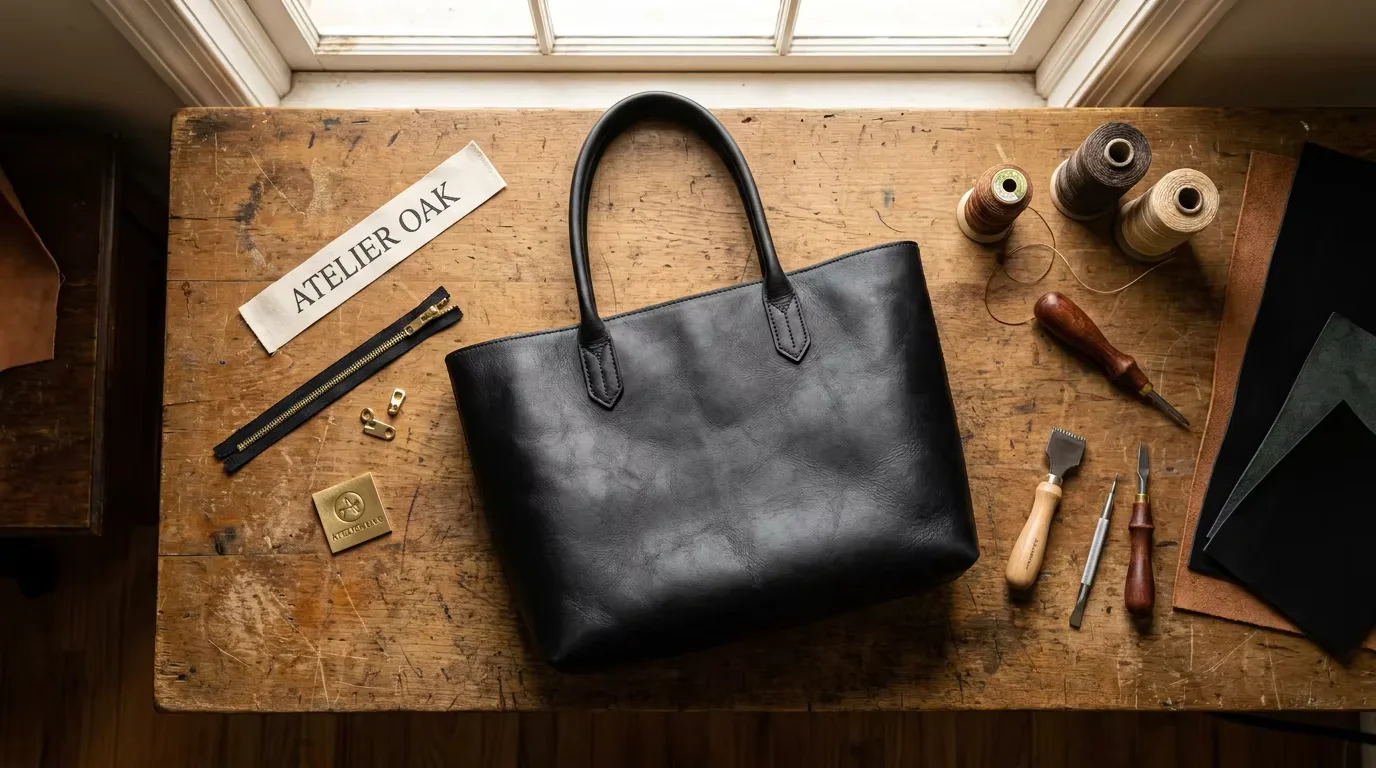
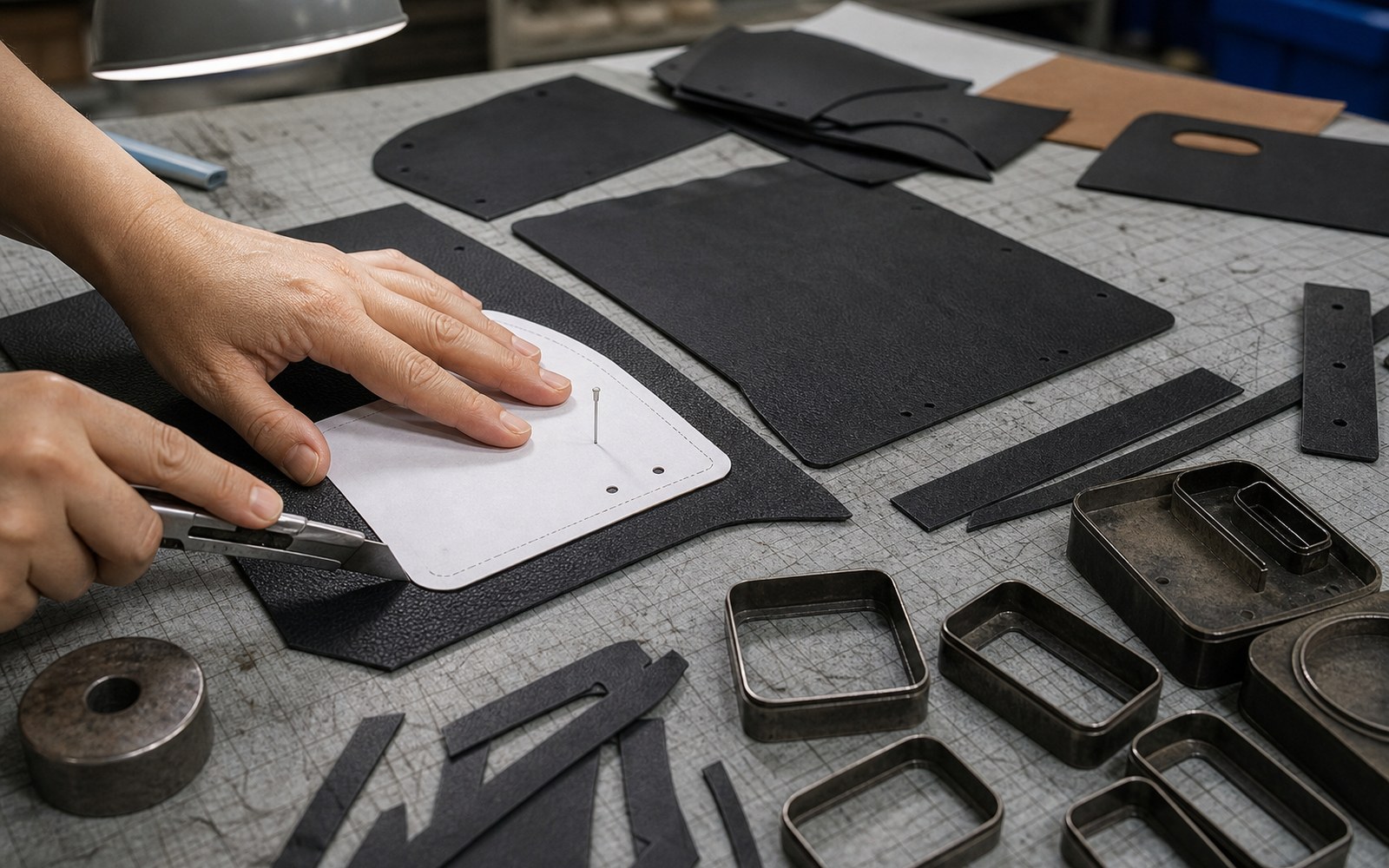
Make sure to discuss branding customization upfront, as embossing dies and custom hardware often require a one-time tooling fee and a longer lead time on your first order.
4. Understanding MOQ and Pricing
Minimum Order Quantities (MOQ) vary significantly between factories. Large-scale factories often require 500–1,000 pieces per style per color — a tough commitment for a growing brand testing a new market.
For custom tote bags, look for a manufacturer that supports emerging brands with flexible MOQs in the range of 50–200 pieces per style. This allows you to:
- Test multiple colorways without overcommitting inventory
- Launch a limited-edition capsule collection with lower financial risk
- Build a supplier relationship before scaling to larger volumes
On pricing, expect factory prices for a genuine leather custom tote to range from $18–$45 USD per unit (FOB), depending on leather grade, hardware complexity, and order quantity.
5. Quality Control Checklist Before Shipment
Before your custom tote bags leave the factory, insist on a pre-shipment quality inspection. Key items to check:
- Stitching consistency: Even thread tension and spacing, no skipped stitches
- Edge finishing: Leather edges should be painted or burnished, not raw
- Hardware function: Zippers, magnetic snaps, and clasps should operate smoothly
- Lining attachment: Interior fabric should be fully bonded with no bubbling or lifting
- Symmetry: Handles should be equal in length; panels should align correctly
A reliable manufacturer will welcome your QC requirements — it is a sign of a professional partnership, not a burden.
Source Your Custom Tote Bags with Celynora
At Celynora, we manufacture premium genuine leather tote bags for wholesale buyers and private label brands worldwide. With flexible MOQs starting at 100 pieces, full customization options, and rigorous in-house QC, we make it simple to bring your tote bag vision to market.
Browse our wholesale tote bag catalog or contact us to discuss your custom project today.
B2B Buyer Checklist
Before you request a quote, prepare the information that affects MOQ, sample cost, lead time and final unit price.
- Target product category, size and reference images.
- Expected order quantity per style and per color.
- Material preference, lining requirements and hardware finish.
- Logo method, packaging items and delivery country.
- Target retail price or target factory price range.
Decision Table
| Buyer Question | Why It Matters | What to Send the Factory |
|---|---|---|
| What is my MOQ target? | MOQ affects material sourcing, production planning and unit price. | Quantity per style, per color and launch schedule. |
| Which material should I choose? | Material controls price band, durability and brand positioning. | Reference photos, desired texture and target market. |
| How much customization do I need? | Logo, lining, hardware and packaging change sample time and cost. | Logo files, packaging references and required details. |
| What is my delivery deadline? | Sampling, production and shipping need realistic planning. | Launch date, delivery country and preferred shipping method. |