The first time a buyer tells me they are not interested in moon bags, I know they haven't checked their competitor's sell-through data recently. Because over the past eighteen months, this curved, crescent-shaped silhouette has quietly become one of the most consistent performers in the mid-range handbag category — not because of hype, but because of how it actually functions in a real retail environment.
Here is what I have observed working with boutique owners and brand buyers across Europe, North America, and Southeast Asia, and why I think 2026 is the year to get serious about stocking this shape.
What Exactly Is a Moon Bag?
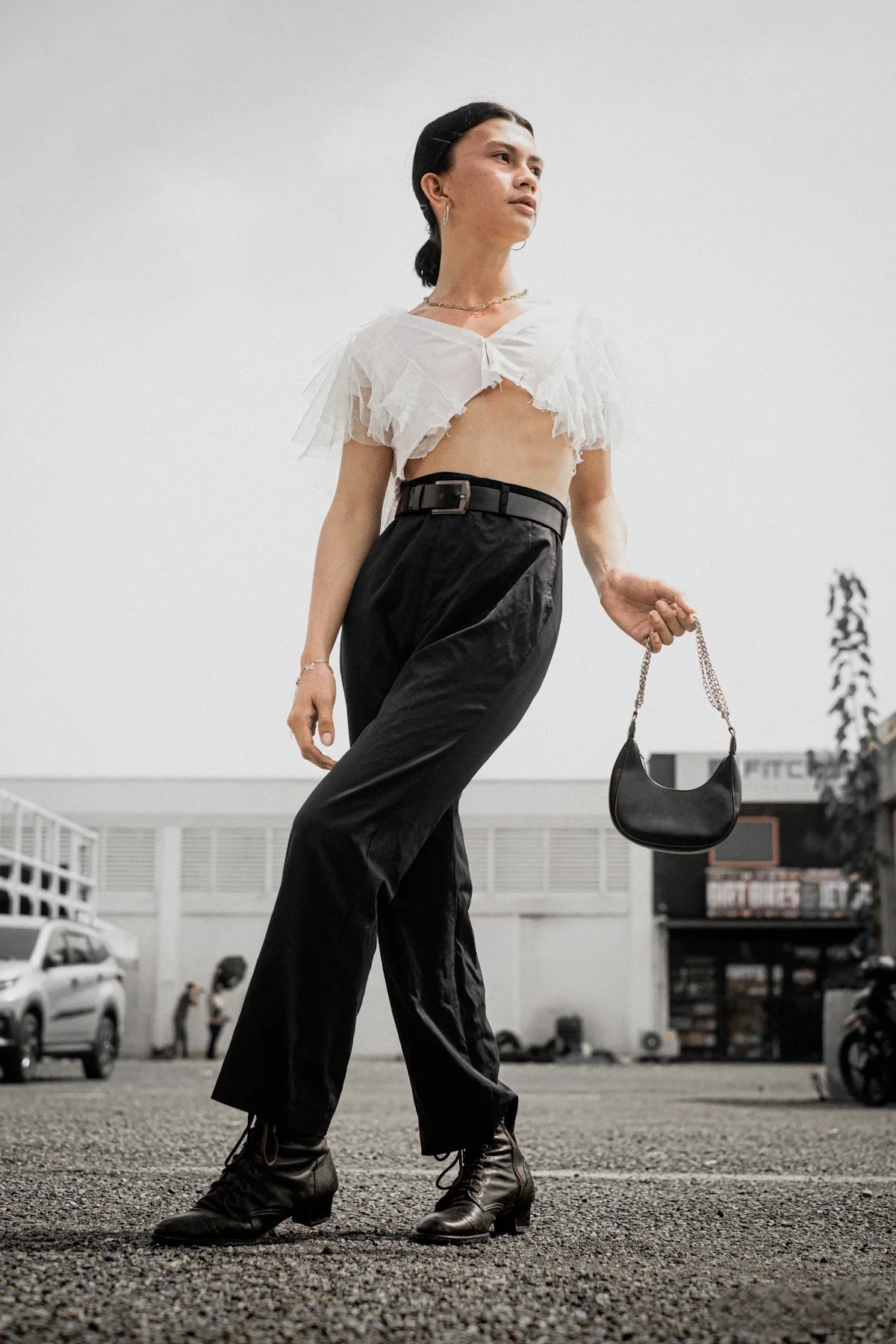
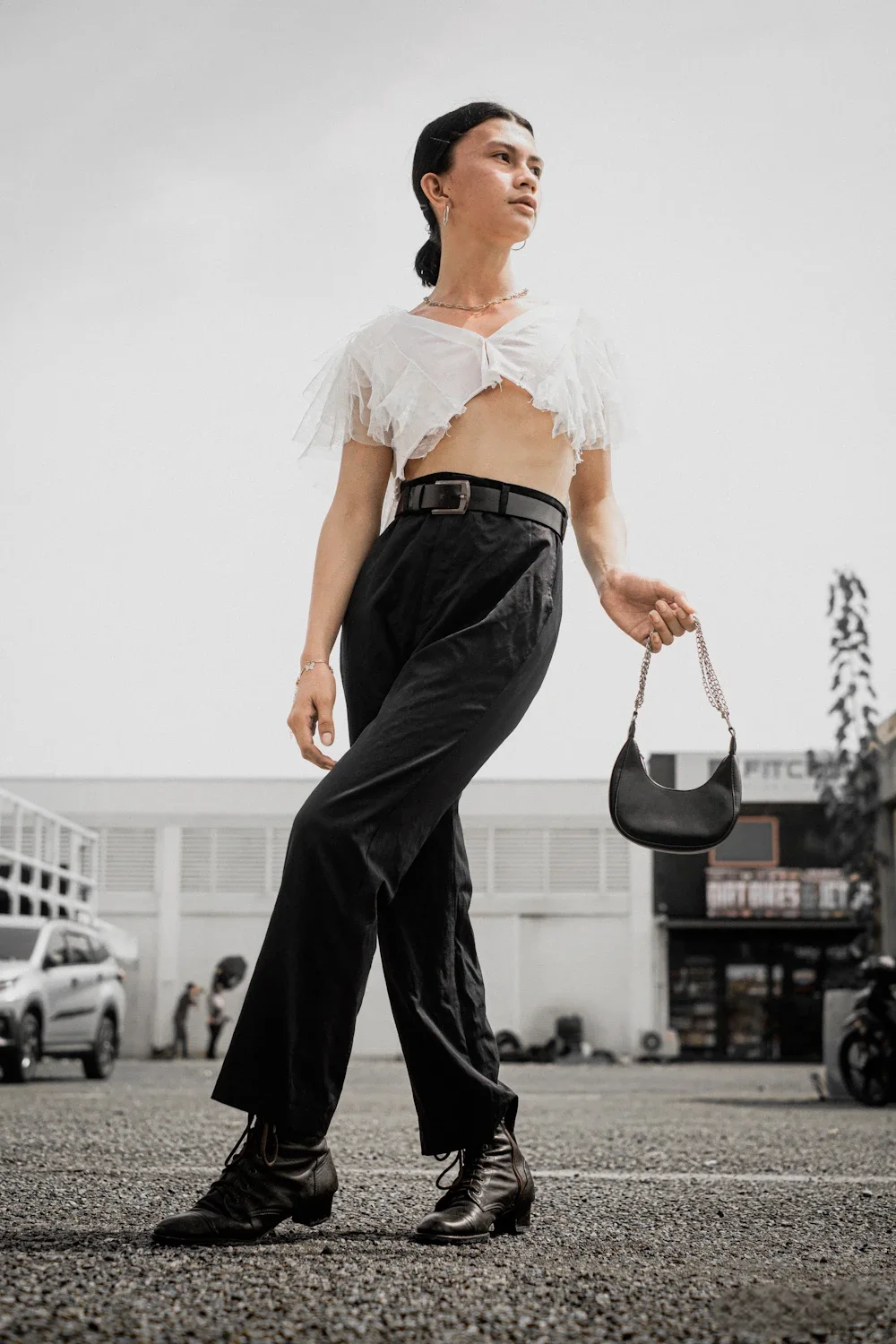
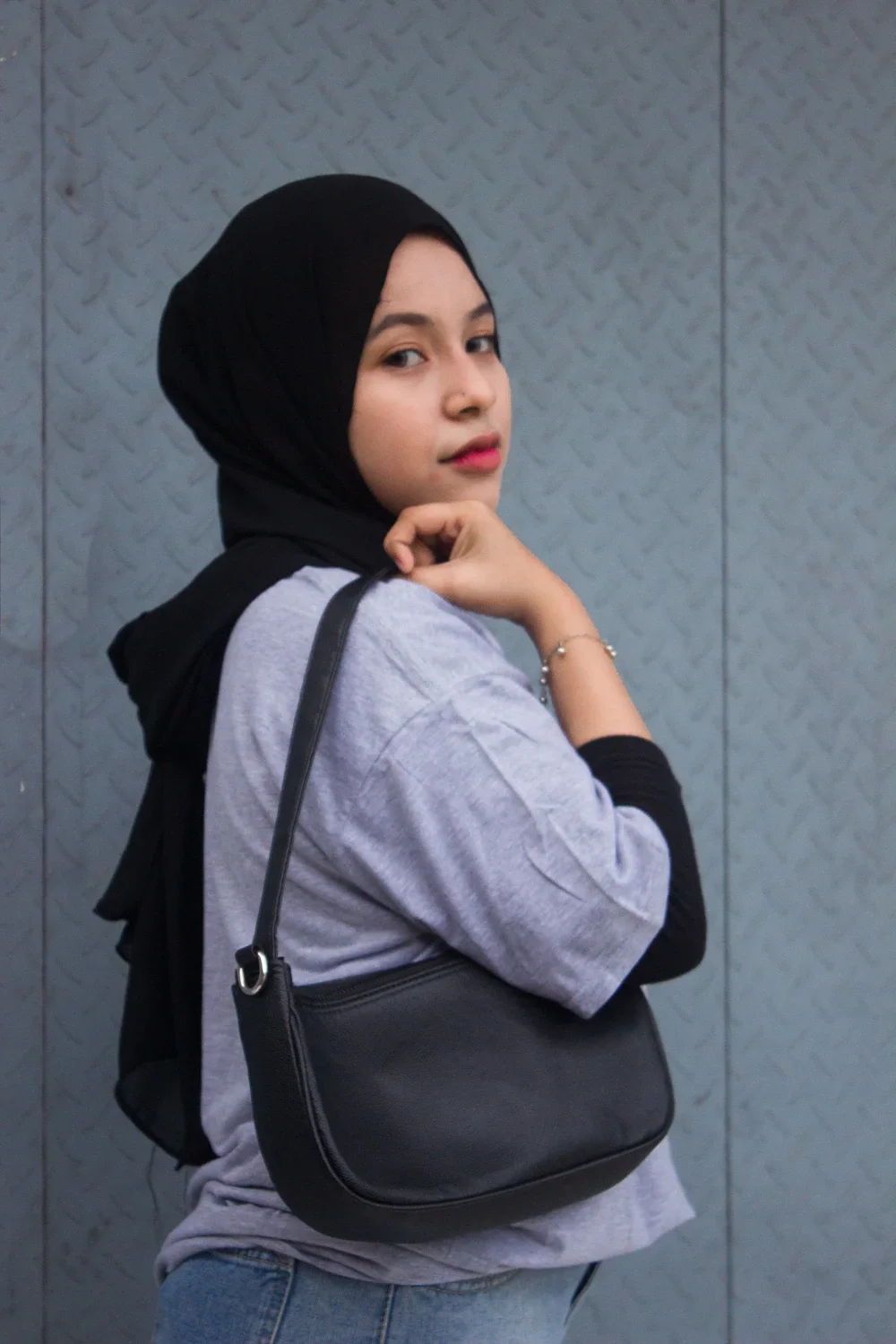
The term "moon bag" covers a family of curved silhouettes — half-moon, crescent, and banana-shaped bags — that share a common visual logic: a soft arc that follows the natural curve of the body when worn. Most sit comfortably under the arm or against the hip as a shoulder or crossbody style. Sizes typically range from compact evening versions (around 22–26 cm across) to larger everyday styles that can hold a phone, wallet, keys, and a few essentials.
The silhouette is not new. Versions of it appeared in the late 1990s and early 2000s, faded, and have now come back with considerably more commercial traction than the first time around. What is different now is the breadth of the customer base — this is not just a Gen Z trend driven by nostalgia. Women in their 30s and 40s are buying it too, because it is genuinely practical.
Why It Works on the Shop Floor
I have spoken to enough boutique owners to know that the silhouette question is often less about trend and more about what actually moves off the rack. Moon bags have a few things going for them that make them disproportionately easy to sell.
They photograph extremely well. The curved outline reads clearly on a hanger, on a flat lay, and in an Instagram story. For any retailer relying on social media to drive foot traffic or online sales, this matters more than most buyers want to admit. A bag that looks good in a phone photo sells faster than one that doesn't, regardless of quality.
They offer a visual break from rectangular bags. Most handbag collections are dominated by totes, rectangular crossbodies, and boxy structured bags. A moon bag introduces a different line that catches the eye without requiring the customer to take a risk on something unusual. It feels fresh without being intimidating.
The price point is accessible. Unlike structured leather bags that require complex internal framing and precise construction, the crescent shape is relatively straightforward to manufacture well. At a factory level, a genuine leather moon bag in top-grain cowhide can be produced at a cost that allows for strong retail margins at a $150–$280 price point — a range that is accessible to a wide customer base while still reading as a considered purchase.
What to Look for When Sourcing
Not all moon bags are created equal, and the quality differences are immediately visible to customers who have handled a few. There are three things I pay attention to when evaluating samples.
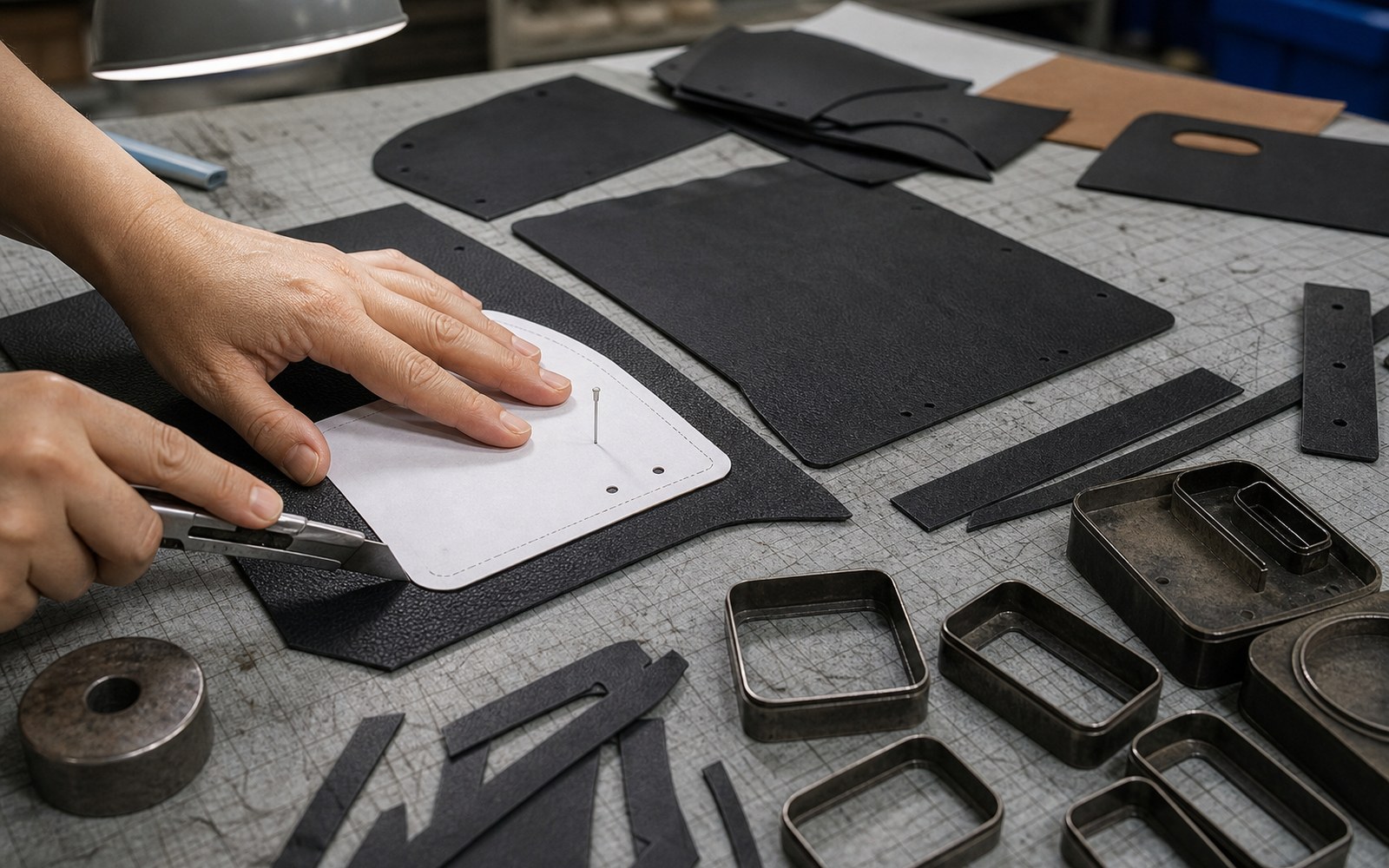
The curve consistency. The arc of the bag needs to be symmetrical and cleanly finished. Any inconsistency in the bottom edge — where the curve is most visible — reads as cheap. This is a function of pattern accuracy and cutting precision. Ask to see multiple units from the same run, not just the sample.
The edge treatment. On a curved bag, the leather edges are particularly exposed. Well-made moon bags have cleanly burnished or painted edges that hold their shape after use. Painted edges that crack or peel within six months will generate customer returns. Ask specifically about edge finishing method.
Strap flexibility. Because the bag sits against the body at a slight angle, the strap attachment points are under more lateral stress than on a vertical rectangular bag. Look for reinforced strap rings and check the stitching around attachment points on samples.
In terms of materials, genuine top-grain cowhide in a soft, slightly pebbled grain is the most commercially successful version we see. It ages well, feels substantial, and holds the curved shape without stiffeners. Full-grain options are available for premium positioning.
Colorways That Sell
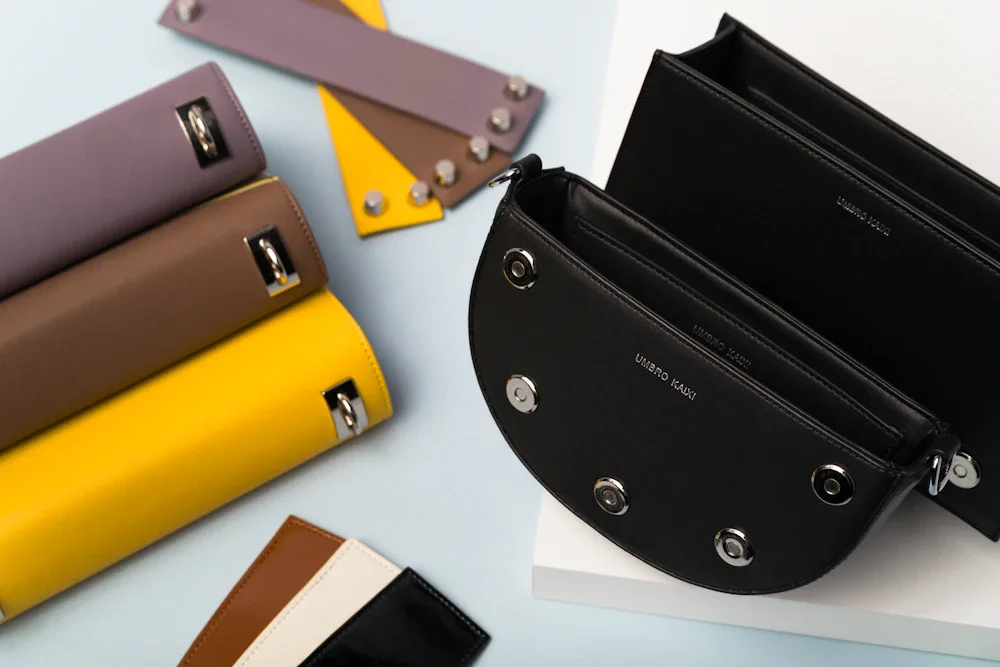
Based on what boutique buyers are reordering most frequently, the strongest performing colorways for moon bags are predictable but worth confirming: black (always), cognac or tan, and seasonal neutrals (stone, sand, warm grey). What is slightly less predictable is the consistent performance of one accent color per season — a deep burgundy in autumn, an olive or forest green in spring. Buyers who stock one neutral and one muted accent tend to do better than those who go wide with many colors at low units per SKU.
Avoid bright colors as your anchor buy. They photograph well but tend to sit longer unless your customer base skews young and fashion-forward.
MOQ and Order Structure
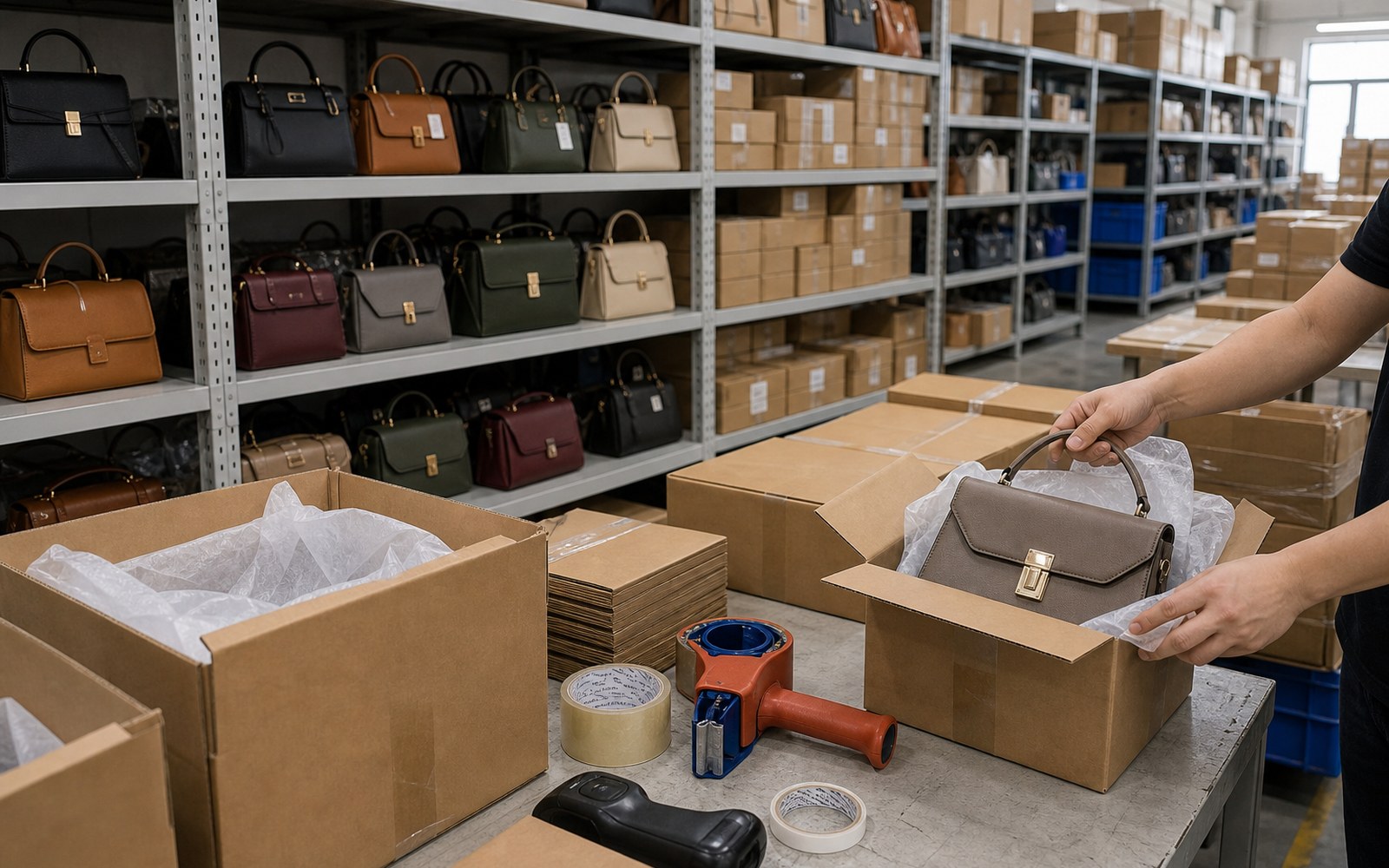
For boutiques buying moon bags for the first time, I generally recommend starting with a single colorway at a quantity that allows you to test price point and customer response without over-committing inventory. With manufacturers like Celynora, minimum order quantities for genuine leather moon bags typically start at 50 pieces per style — low enough for a genuine market test, high enough to justify the tooling investment.
If the silhouette performs, the next order is the one where you introduce a second color and potentially a second size. Building gradually is a lower-risk approach than buying broad on a trend you haven't personally validated with your own customers.
The Bottom Line
Moon bags are not going away. The silhouette has proven versatile enough to work across casual, smart-casual, and even some evening contexts, which is rare for a bag defined primarily by shape. The customer base is wider than the trend coverage suggests, and the manufacturing economics support strong retail margins.
If you are building or refreshing a handbag collection for the second half of 2026, this is one silhouette worth giving a serious look at — not because everyone is talking about it, but because the numbers on the boutiques already carrying it tend to be quietly convincing.
B2B Buyer Checklist
Before you request a quote, prepare the information that affects MOQ, sample cost, lead time and final unit price.
- Target product category, size and reference images.
- Expected order quantity per style and per color.
- Material preference, lining requirements and hardware finish.
- Logo method, packaging items and delivery country.
- Target retail price or target factory price range.
Decision Table
| Buyer Question | Why It Matters | What to Send the Factory |
|---|---|---|
| What is my MOQ target? | MOQ affects material sourcing, production planning and unit price. | Quantity per style, per color and launch schedule. |
| Which material should I choose? | Material controls price band, durability and brand positioning. | Reference photos, desired texture and target market. |
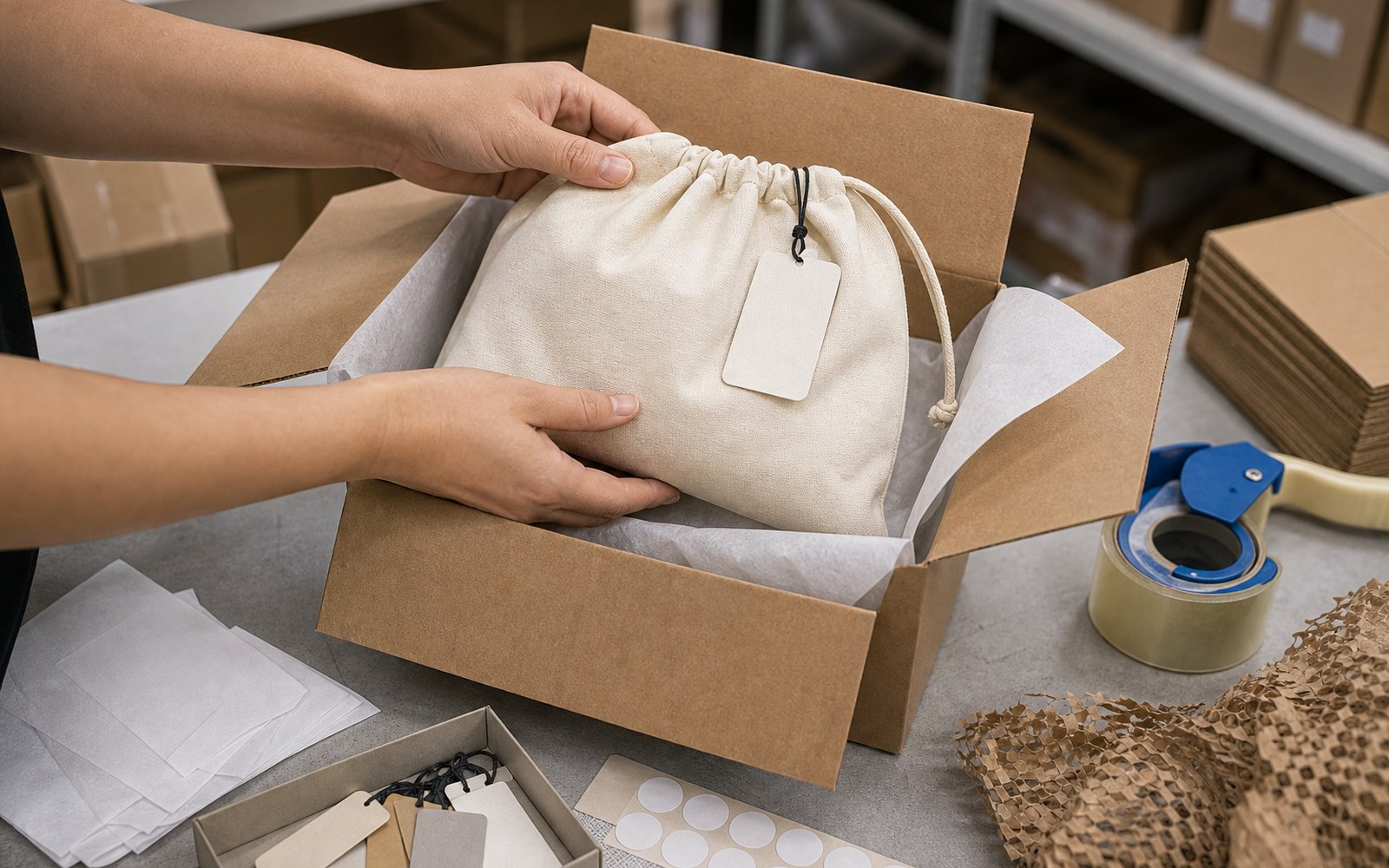
| How much customization do I need? | Logo, lining, hardware and packaging change sample time and cost. | Logo files, packaging references and required details. |
| What is my delivery deadline? | Sampling, production and shipping need realistic planning. | Launch date, delivery country and preferred shipping method. |