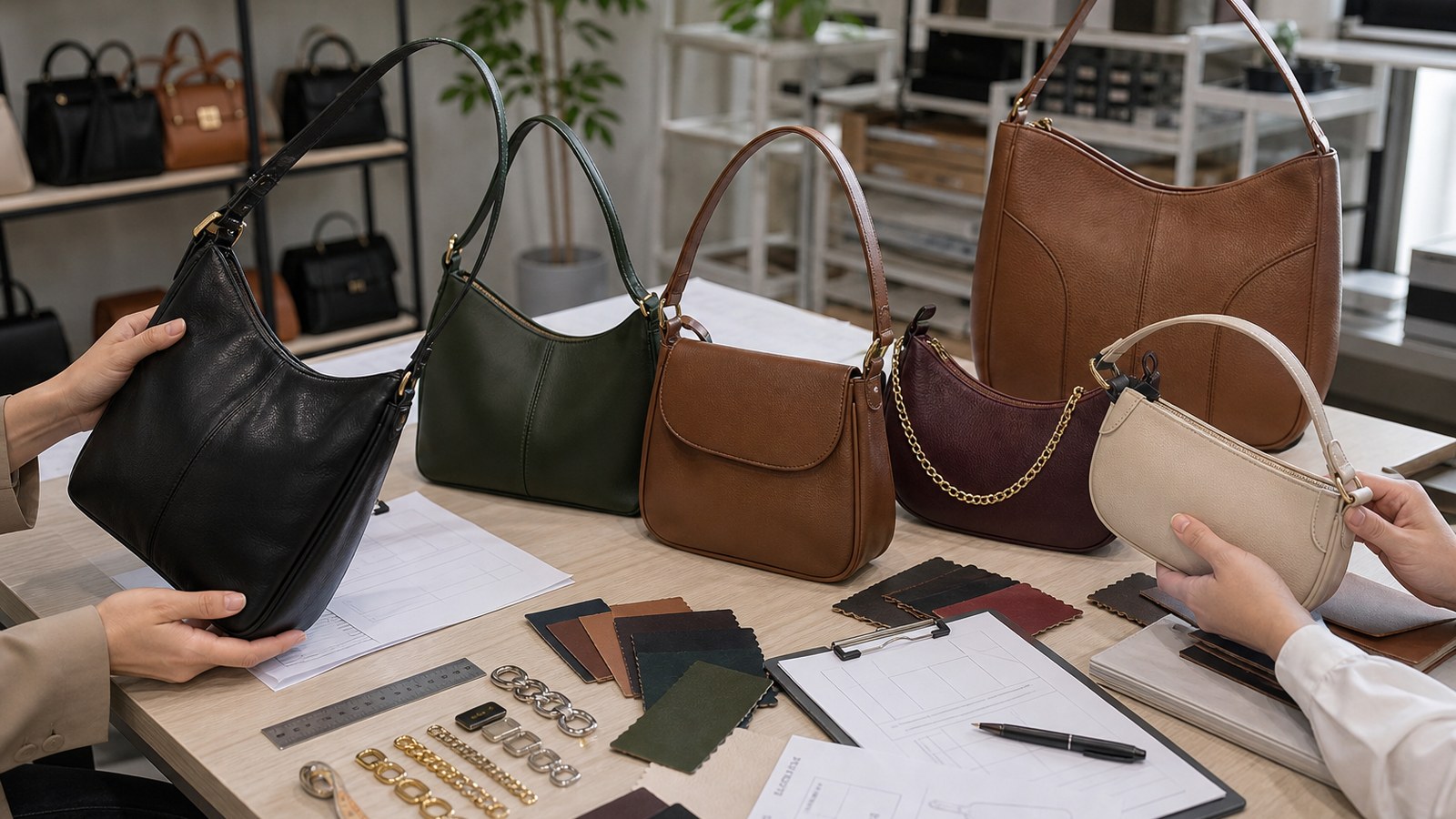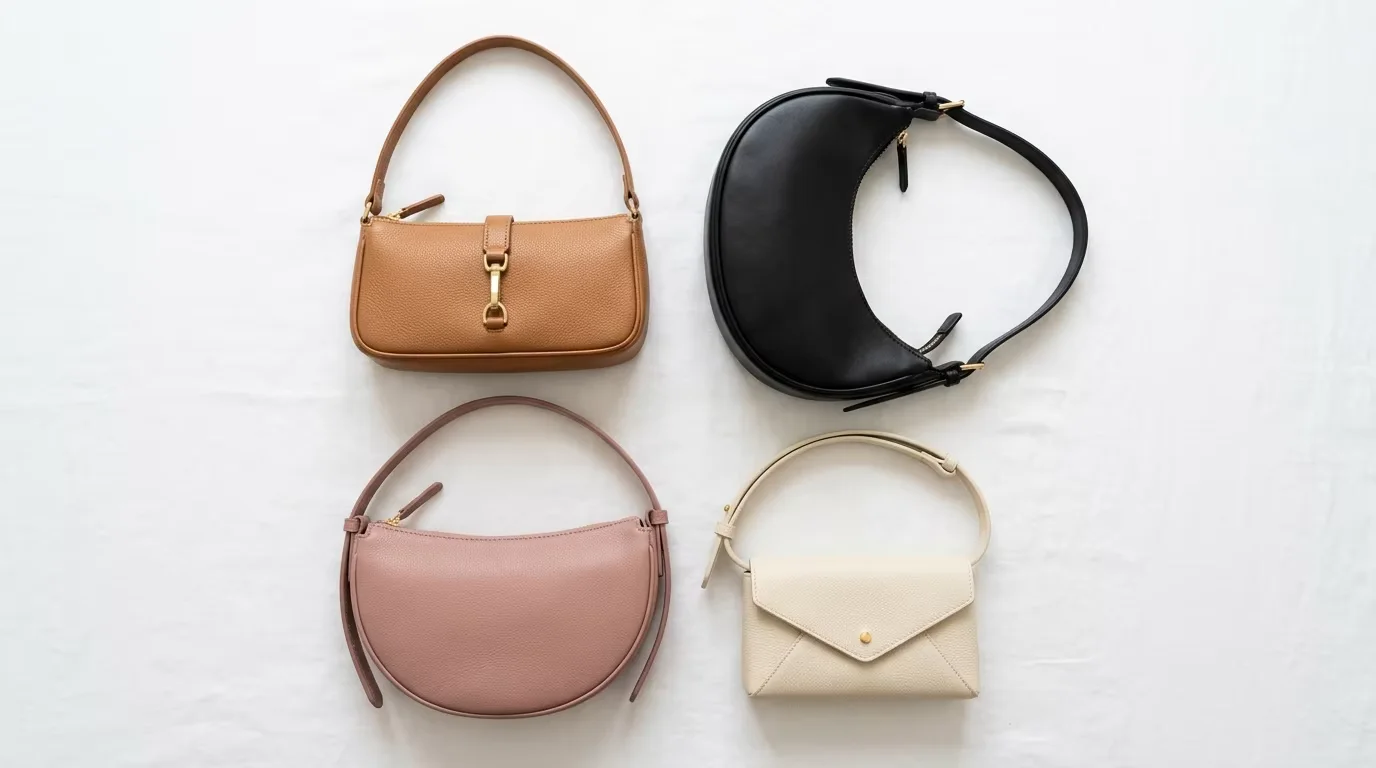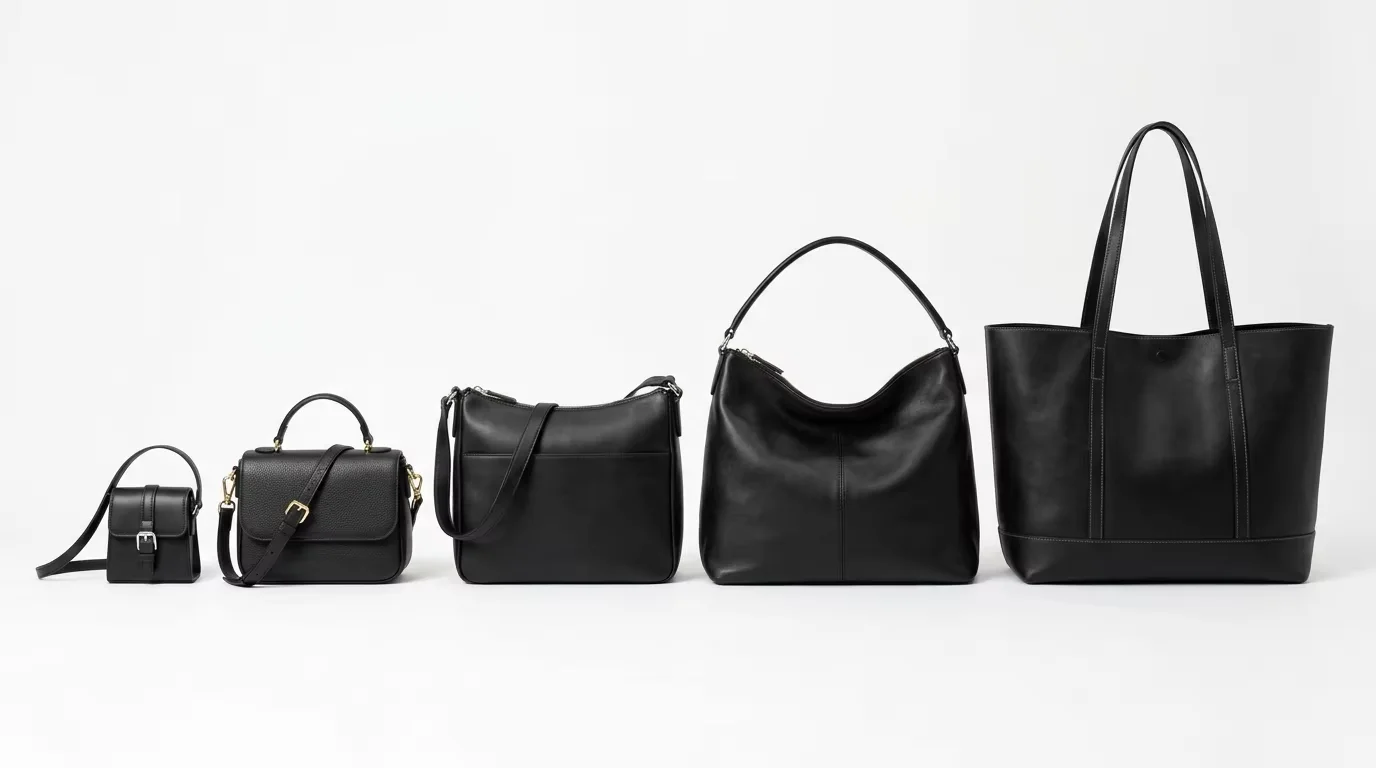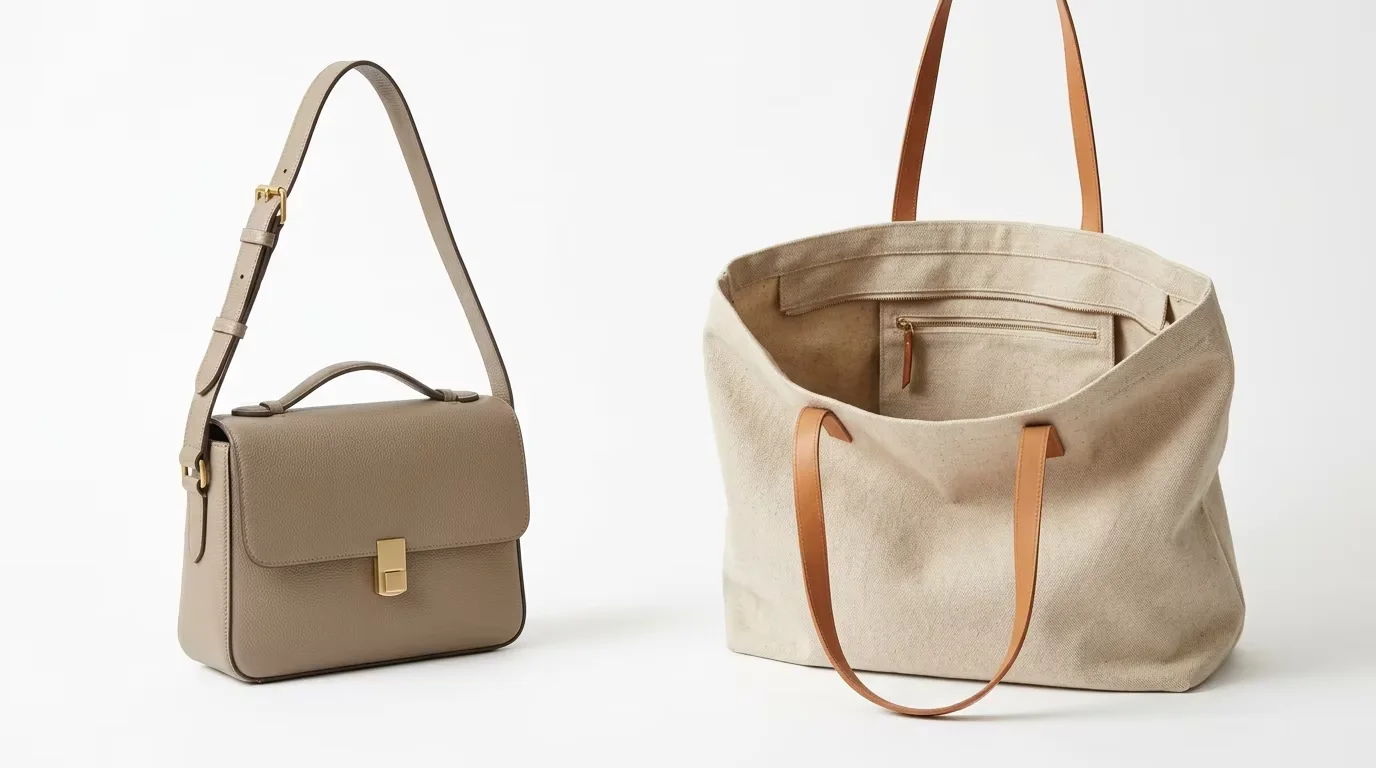
Shoulder bags and tote bags are the two highest-volume categories in wholesale handbag sourcing — and they are also the two categories that buyers most frequently conflate when building a collection. The confusion is understandable: both are carried on or from the shoulder, both come in a wide range of sizes, and both are made in every material from canvas to full-grain leather. But they serve fundamentally different customer needs, attract different retail demographics, and perform very differently across seasonal collections.
Understanding the distinction clearly — not just aesthetically, but functionally and commercially — is one of the most important frameworks a wholesale buyer can develop. This guide covers what actually separates shoulder bags from totes, where each category performs best, and how to build a collection that uses both formats strategically.
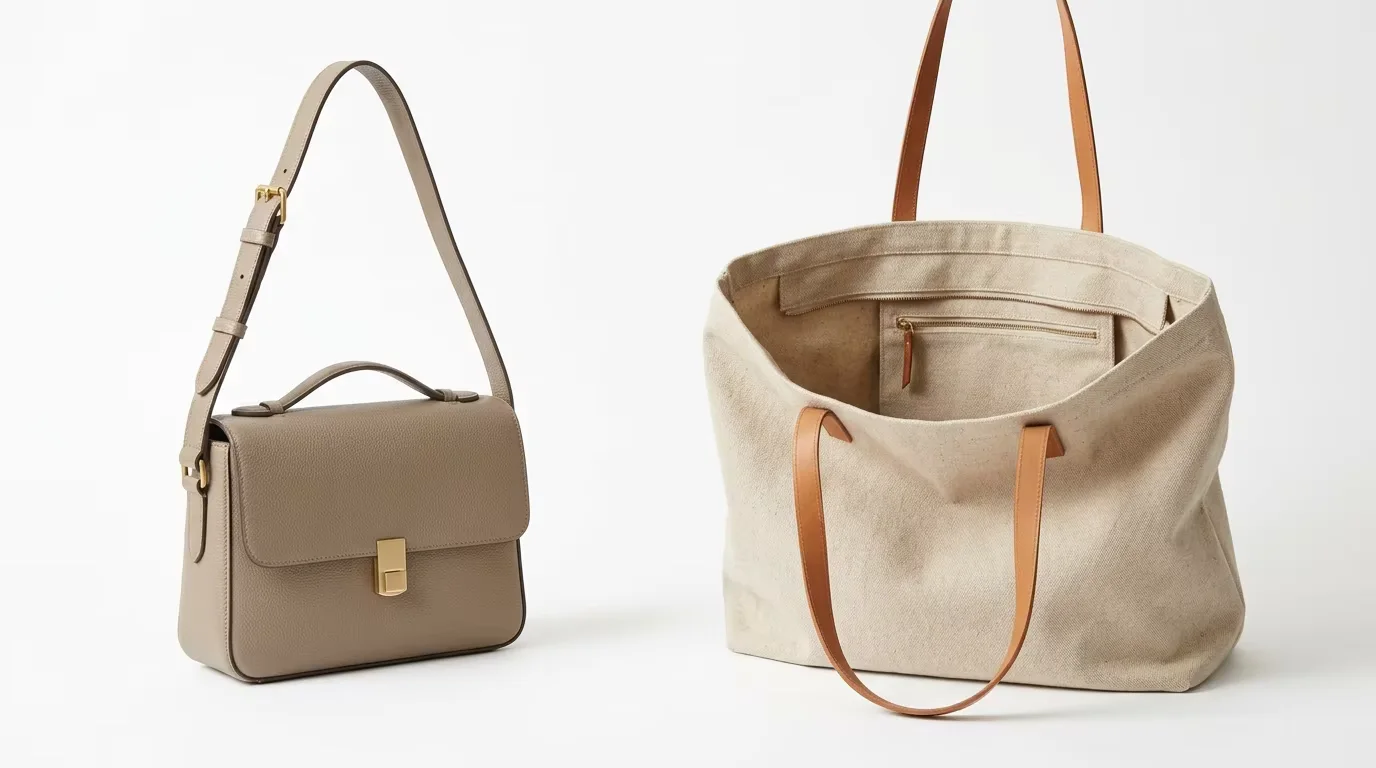
What Actually Defines Each Category
The Shoulder Bag
A shoulder bag is defined primarily by its carry method and structural intention. It is designed to be carried on one shoulder, typically with a single strap of medium length (55–75cm drop from attachment point to bottom of bag) that positions the bag at hip level or slightly above. The body of the bag is proportioned to sit cleanly against the body without swinging or pulling — which means it is typically more compact and more structured than a tote.
Shoulder bags usually have a defined closure — flap, zipper, or clasp — because they are designed for secure everyday carry. The interior is typically organized, with pockets and compartments rather than a single open space. The structural priority is body-fit: the bag is meant to move with the wearer rather than be held or placed.
The Tote Bag
A tote bag is defined by its open-top, high-capacity format and its twin-handle carry method. The name comes from the verb "to tote" — to carry — and the design reflects this: maximum interior volume, minimal structural complexity, easy access. Totes are typically carried in the hand or crook of the arm using short twin handles, though many also have a longer shoulder strap as a secondary carry option.
Totes prioritize capacity over security. The open or minimal-closure top is a feature, not a limitation — it allows fast, easy access to contents without unclasping or unzipping. The interior is usually a single large compartment with one or two pockets. The structural priority is volume and ease of access.
Commercial Performance Comparison
Volume and Price Point
Tote bags consistently outperform shoulder bags on unit volume at the mid-market price point ($80–$200 retail). The combination of high capacity and accessible price creates strong impulse-purchase dynamics — customers can justify a tote as a practical everyday necessity rather than a fashion indulgence. Shoulder bags at the same price point require more deliberate purchase consideration because they are more style-specific.
Above $250 retail, shoulder bags typically outperform totes in terms of margin and repeat purchase. Structured shoulder bags in this range carry stronger fashion association and are more likely to be purchased as considered fashion investments rather than functional replacements.
Seasonal Dynamics
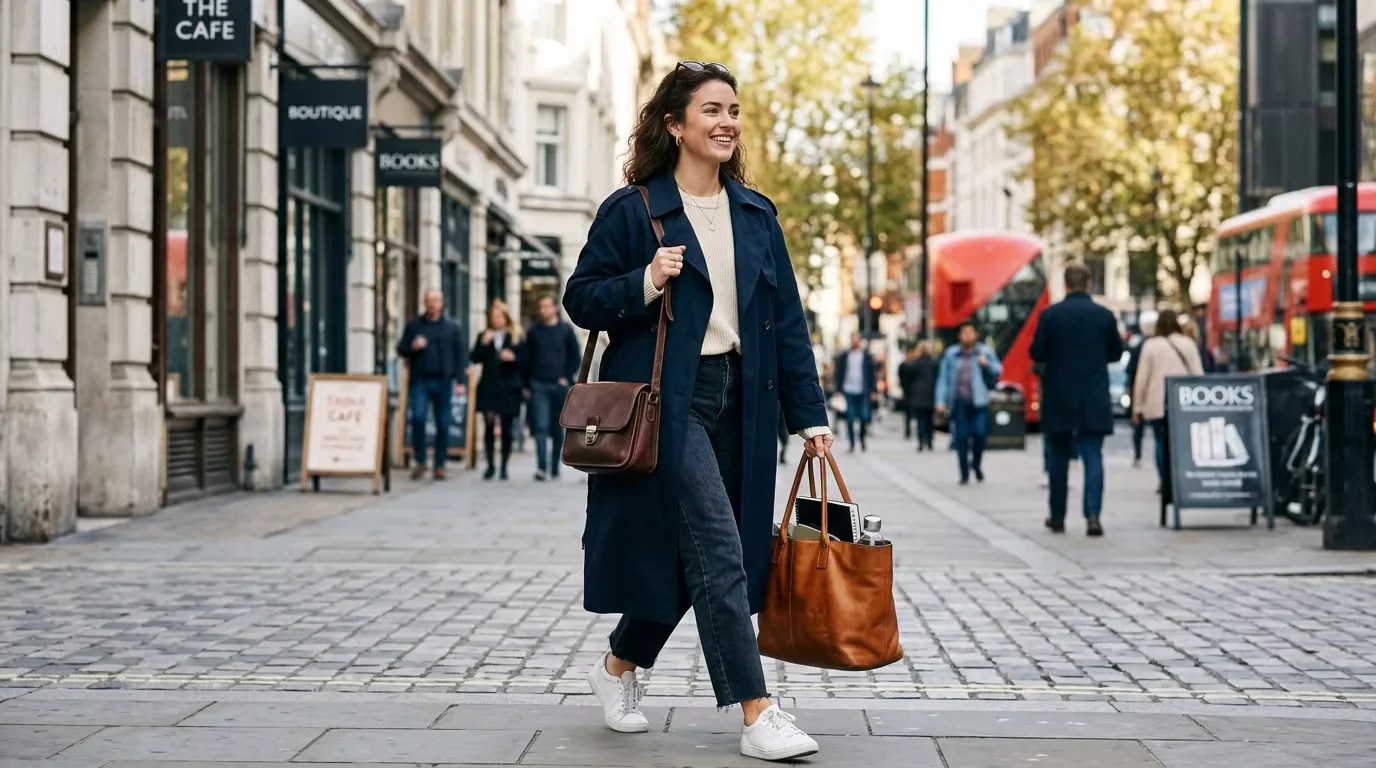
Totes have stronger spring/summer performance — the open format, light materials, and high capacity suit warmer-weather carry behaviors (more items, lighter fabrics, frequent access). Shoulder bags have more consistent year-round performance and are particularly strong in autumn/winter collections where structured, closed bags suit heavier outerwear and more formal styling.
Demographics
Totes appeal broadest: the functional positioning resonates across age groups, professional contexts, and lifestyle segments. A 28-year-old commuter and a 52-year-old professional both have genuine daily use for a well-designed tote. Shoulder bags have a more specific demographic profile — strongest with 25–45 female consumers who prioritize style alongside function, and with professional buyers seeking a structured bag for work.
How to Build a Collection Using Both
The most commercially resilient handbag collections use shoulder bags and totes as complementary, not competing, formats. A practical collection architecture:
- 1–2 tote styles: one small/medium everyday tote (W28–34cm), one large work or weekend tote. These drive volume and attract new customers.
- 2–3 shoulder bag styles: one compact structured style, one medium everyday style, one fashion-forward statement piece. These drive margin and brand identity.
- Material and color consistency: using the same material and color palette across both categories creates a cohesive collection that cross-sells naturally.
The goal is for customers to see the tote and shoulder bag as part of the same brand universe — not as separate product decisions — so that a customer who buys one category naturally considers the other on their next purchase.
B2B Buyer Checklist
Before you request a quote, prepare the information that affects MOQ, sample cost, lead time and final unit price.
- Target product category, size and reference images.
- Expected order quantity per style and per color.
- Material preference, lining requirements and hardware finish.
- Logo method, packaging items and delivery country.
- Target retail price or target factory price range.
Decision Table
| Buyer Question | Why It Matters | What to Send the Factory |
|---|---|---|
| What is my MOQ target? | MOQ affects material sourcing, production planning and unit price. | Quantity per style, per color and launch schedule. |
| Which material should I choose? | Material controls price band, durability and brand positioning. | Reference photos, desired texture and target market. |
| How much customization do I need? | Logo, lining, hardware and packaging change sample time and cost. | Logo files, packaging references and required details. |
| What is my delivery deadline? | Sampling, production and shipping need realistic planning. | Launch date, delivery country and preferred shipping method. |