Leather shoulder bags wholesale buyers usually have a clear product direction before they contact a factory: they want a shoulder bag category, but they still need to decide which silhouette, material, customization route, and quote information make sense for their first order. That is where many RFQs become unclear. A buyer may send one reference photo and ask for a price, while the factory still needs to know whether the order is ready stock, ODM modification, or OEM development.
This guide is written from a factory sourcing perspective for boutiques, wholesalers, e-commerce buyers, private label brands, and product development teams. It does not cover styling advice or consumer shopping tips. Instead, it explains how to compare shoulder bag styles, choose materials, prepare custom details, and send a factory quote request that can be answered accurately.
If you already know you want leather shoulder bags wholesale, use this article as a pre-RFQ checklist. A clearer brief helps the factory check available styles, material options, logo methods, packaging requirements, sample needs, and current production schedule before giving you a practical reply.
Why Leather Shoulder Bags Work Well for Wholesale Buyers
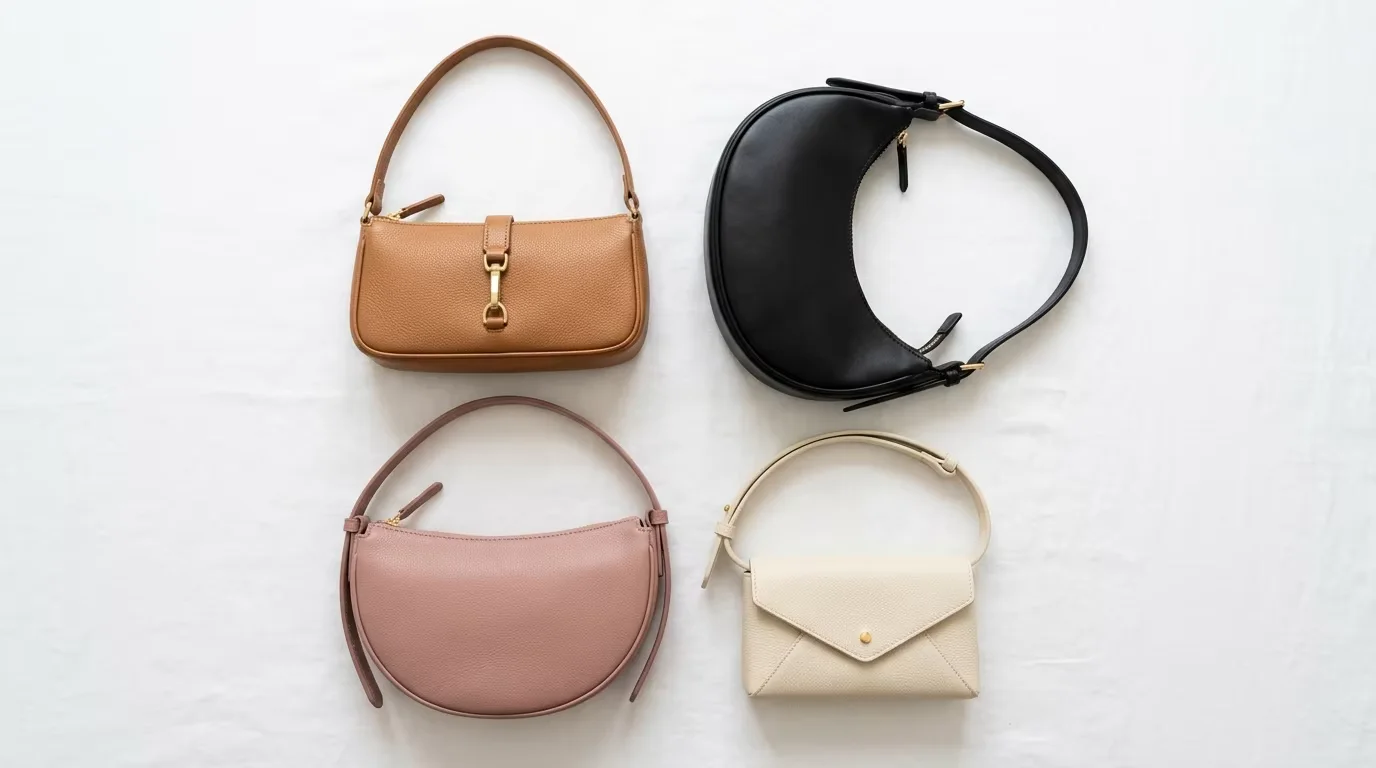
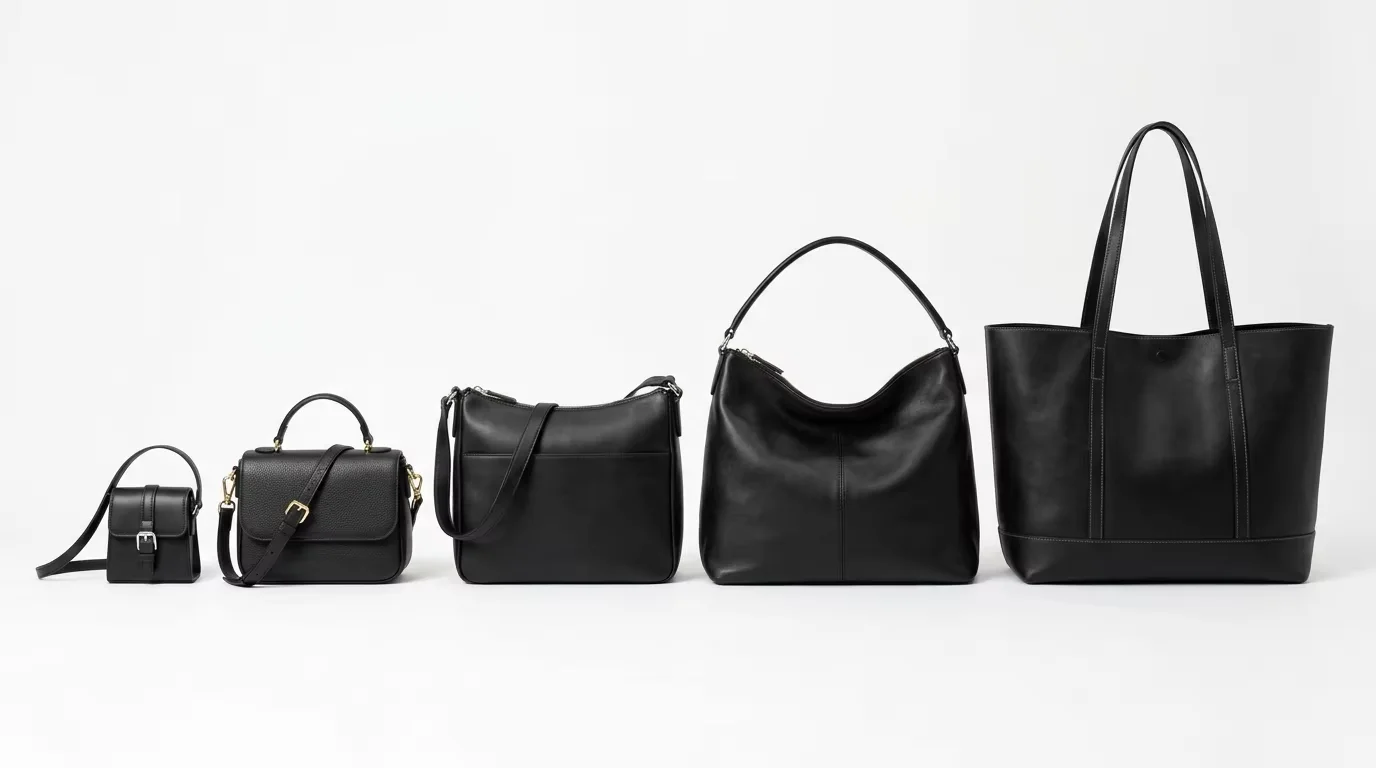
Shoulder bags are commercially useful because they can support several retail positions without changing the entire product category. A soft hobo bag, compact underarm bag, structured shoulder bag, chain shoulder bag, and large shoulder tote all sit in the same broad category, but they speak to different channels and price bands. That makes the category easier to build into a small wholesale assortment.
For boutique buyers, shoulder bags can fill a daily-use price band without depending on one seasonal shape. For e-commerce sellers, the category gives enough variety for testing materials, colors, sizes, and logo treatments. For private label brands, shoulder bags often allow visible branding on the front panel, inside label, hang tag, dust bag, or packaging without forcing a fully custom product from the first order.
From a factory point of view, shoulder bag development also has clear specification points: body shape, strap width, strap drop, closure, lining, hardware, material hand feel, weight, and packing method. When these details are described well, the quote can be more useful than a general handbag inquiry.
A buyer who wants to start with available styles can review Celynora's custom shoulder bag collection before asking about quantity, logo, or packaging options. A buyer planning custom development should prepare more technical details before requesting a sample.
Main Shoulder Bag Styles to Consider
Not every shoulder bag is built the same way. The sourcing decision should start with the silhouette because the structure affects material choice, hardware, sampling time, and target retail position.
Hobo Shoulder Bags
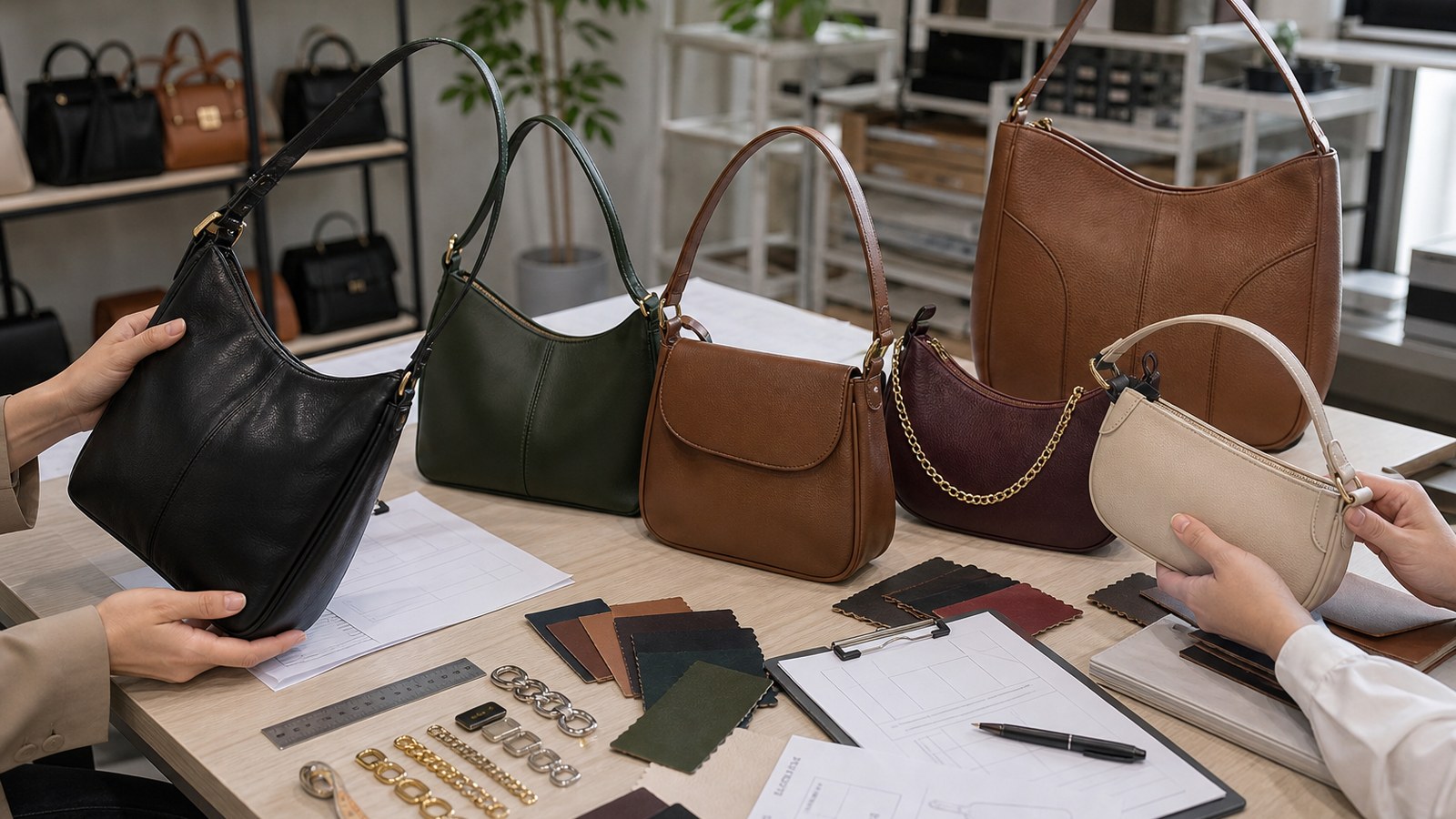
Hobo shoulder bags usually use a softer structure with a relaxed body shape. They work well when the buyer wants a softer hand feel, visible leather texture, and a casual but still refined product line. For factory quotation, hobo bags need careful discussion around leather softness, lining weight, strap reinforcement, and how much slouch is acceptable.
A very soft body may look attractive in a sample photo, but it can change shape during packing or shipping if the material, lining, and stuffing method are not planned. Buyers should confirm whether the hobo shape should stand slightly, collapse softly, or keep a semi-structured base.
Underarm Shoulder Bags
Underarm shoulder bags are more compact and often used for seasonal launches, trend testing, and smaller retail assortments. They can be useful for buyers who want a narrower first order because the product format is easy to compare across colors and materials.
The main sourcing points are strap drop, opening width, zipper or magnetic closure, and interior size. Do not assume every compact underarm style can carry the same items or support the same strap construction. If function matters, send measurements and reference requirements instead of only a photo.
Structured Shoulder Bags
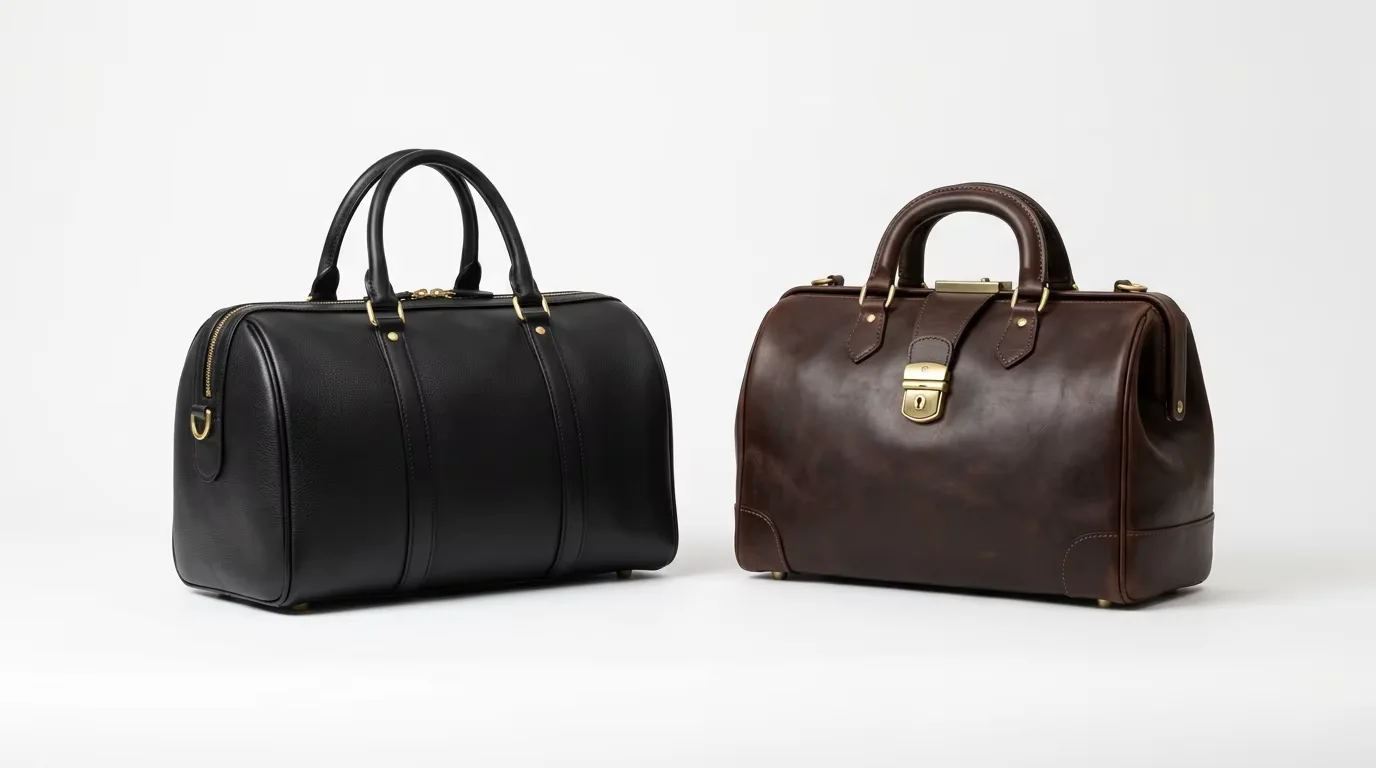
Structured shoulder bags are more demanding in production because the body shape must hold clean lines. They may require reinforcement, edge finishing, more precise stitching, and careful hardware placement. This type can work well for brands building a more polished collection or a higher price band.
When requesting a quote, buyers should confirm body stiffness, panel thickness, edge paint color, base support, closure method, and whether the bag needs a top handle or detachable strap. A structured bag with unclear specifications can require more sample revisions than a soft style.
Chain Shoulder Bags
Chain shoulder bags depend heavily on hardware quality and weight control. The chain color, plating finish, chain thickness, attachment points, and surface durability need to be discussed before sampling. A chain that looks good in a photo may feel too heavy, too sharp, or inconsistent in finish if the hardware standard is not clear.
For wholesale orders, ask the factory what hardware finishes are available and whether the chain is stock-supported or custom sourced. Light gold, silver, gunmetal, and antique brass can each change the visual position of the bag, but the buyer should also ask about plating consistency and QC checks.
Large Shoulder Totes
Large shoulder totes can add commercial value for buyers who want a roomier shoulder format, but they also require more attention to material consumption, strap strength, and packing. Avoid making unconfirmed capacity claims unless the sample has been measured and tested for the buyer's intended use.
For large shoulder styles, confirm strap width, strap attachment, base structure, lining, empty weight, carton packing, and whether the body should be soft or semi-structured. A large bag made with the wrong material can become too heavy or lose shape too easily.
Material Choices for Wholesale Leather Shoulder Bags
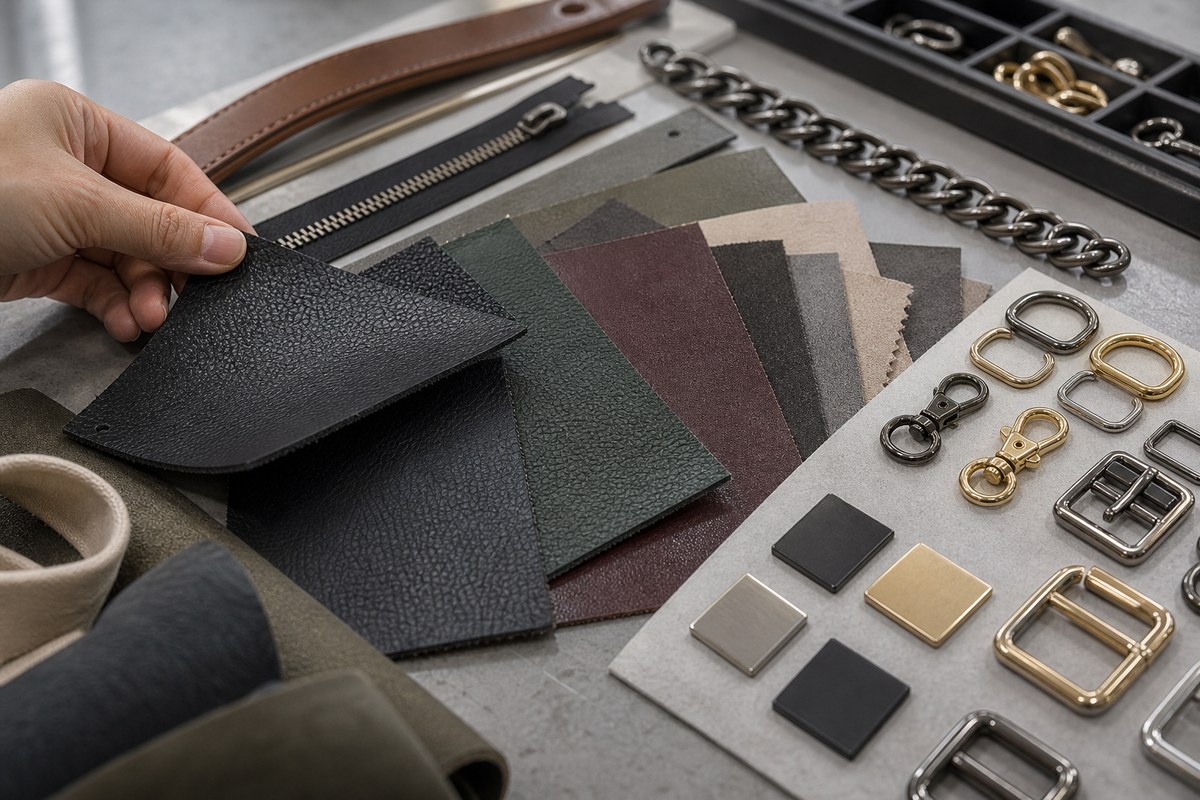
Material selection should match the shoulder bag style, target price band, and production route. Buyers can review Celynora's genuine leather materials page for a broader material overview, but the final choice still depends on the actual silhouette and order plan.
Top-Grain Cowhide
Top-grain cowhide is often suitable for wholesale shoulder bags that need stable appearance and repeatable production. It can work for structured shoulder bags, medium-size shoulder styles, and some large shoulder totes where a more consistent surface is important.
The buyer should confirm texture, thickness, finish, color, and whether the leather is already available. Custom color development may affect timing and quantity requirements, so it should be discussed separately from the bag price.
Soft Cowhide or Nappa-Style Leather
Soft cowhide or nappa-style leather can work well for hobo and soft shoulder silhouettes where drape and hand feel matter. The factory needs to know how soft the buyer expects the bag to be and whether the body should collapse naturally or keep some shape.
Soft materials may require reinforcement at strap points, closures, or base areas. If the buyer wants a soft look but also strong structure, the factory may need to adjust lining, backing, or panel construction.
Suede or Suede-Look Materials
Suede and suede-look materials can be useful for seasonal shoulder bag lines, especially when color and texture are important. However, buyers should ask about colorfastness, care expectations, surface rubbing, and target price band before approving this route.
A suede-look material can help control cost or color range, while genuine suede may suit a different product position. The factory should quote based on the exact material direction, not a general word like suede.
Vegan Leather Alternatives
Vegan leather alternatives can support fast color development, lower entry projects, and buyers who do not want animal leather. This route should be presented clearly because the search intent and buyer expectation differ from genuine leather shoulder bags.
If a buyer asks for leather shoulder bags but is open to vegan materials, the inquiry should say so. That helps the factory suggest stock-supported material options and avoid quoting a product that does not match the buyer's market positioning.
Ready Stock, ODM or OEM: Which Route Fits Your Order?
The right sourcing route depends on how much product control the buyer needs and how much development work the factory must do.
| Route | Suitable shoulder bag project | Buyer should prepare | What may affect MOQ, cost, or timing |
|---|---|---|---|
| Ready stock | Testing hobo, underarm, structured, or large shoulder styles quickly | Style preference, quantity range, color preference, delivery country | Available stock, logo feasibility, packing needs, current inventory |
| ODM modification | Existing factory style with changed color, logo, lining, hardware, or packaging | Base style, changes needed, logo file, quantity by color | Material sourcing, hardware finish, logo method, packaging supplier requirements |
| OEM development | New shoulder bag based on a tech pack, sample, or detailed reference | Drawings, dimensions, material direction, construction notes, target quantity | Pattern development, sampling rounds, material and hardware sourcing, production schedule |
Ready stock handbags are practical when the buyer wants to test the shoulder bag category with lower development risk. The buyer can ask for current shoulder bag styles, available colors, and whether selected logo or packaging work is possible.
OEM and ODM handbag manufacturing becomes more relevant when the buyer wants a specific shoulder bag structure, new color direction, adjusted hardware, or a more controlled private label line. The more details change, the more important sampling and written confirmation become.
Custom Options Buyers Should Confirm Before Quotation
Customization should be confirmed before quotation, not added after price approval. Logo method is the first question. Embossing, debossing, metal logo, woven label, printed label, and hang tag branding each affect tooling, sample preparation, and final appearance. The buyer should send vector logo files when available and state the preferred size and placement.
Hardware finish is another important point. Light gold, silver, gunmetal, antique brass, and other finishes can change both appearance and QC requirements. For chain shoulder bags and structured styles, hardware weight and plating consistency should be reviewed carefully.
Lining and pockets should not be treated as minor details. Lining fabric, interior label, zipper pocket, slip pocket, and brand label placement all affect production. If the buyer wants a special lining color or printed lining, ask whether supplier minimums apply.
Strap details are especially important for shoulder bags. Confirm strap width, strap drop, adjustability, detachable construction, edge finish, and reinforcement at stress points. A buyer should not assume a strap can be changed without affecting balance or cost.
Colorways and packaging also need early confirmation. Stock colors may be faster, while custom colors may require material sourcing. For packaging, custom handbag packaging can include dust bags, hang tags, care cards, boxes, or standard export packing, but each item should match the launch stage and order route.
What to Prepare Before Asking for a Factory Quote
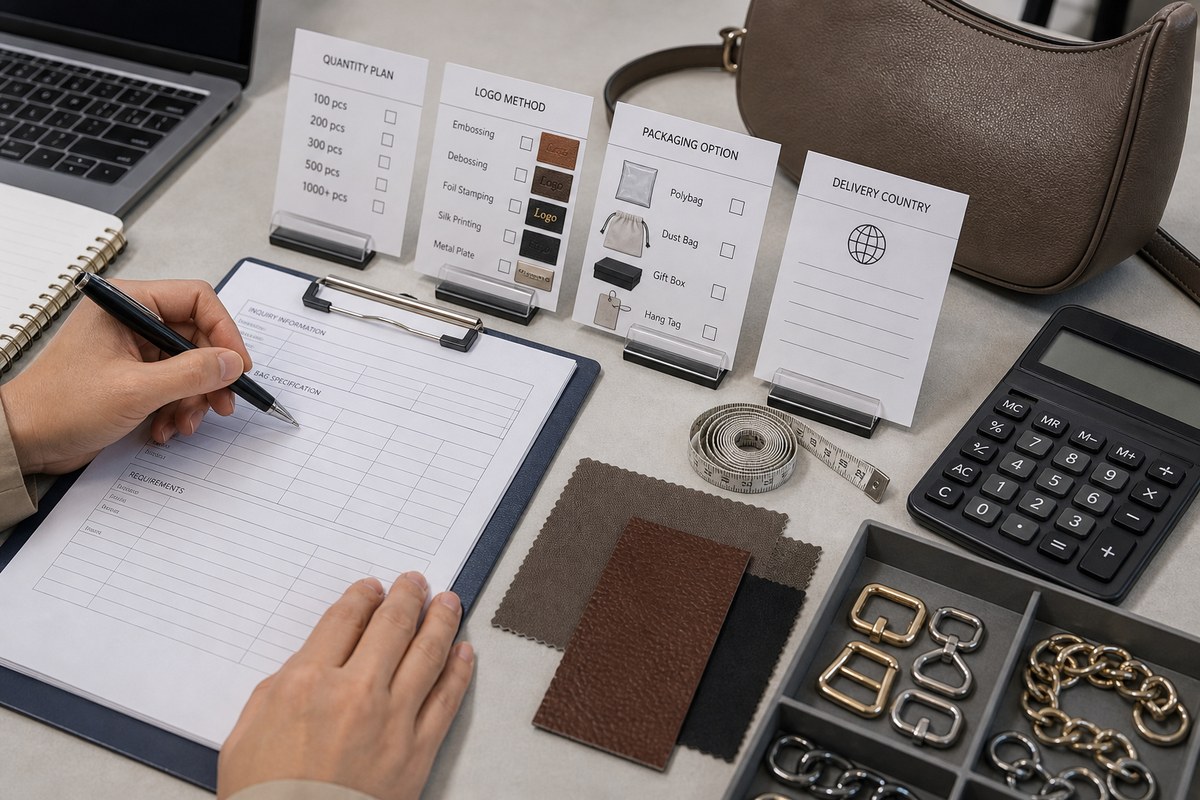
A complete RFQ helps the factory answer with fewer follow-up questions. It also helps the buyer compare quotes fairly because each factory is pricing the same requirement.
| RFQ item | What to send | Why it matters |
|---|---|---|
| Target style | Hobo, underarm, structured, chain shoulder, or large shoulder tote | The silhouette affects material, hardware, pattern, and sample work |
| Material direction | Top-grain cowhide, soft cowhide, suede-look material, vegan leather, or open to factory suggestion | Material controls price band, texture, structure, and sourcing plan |
| Quantity plan | Quantity per style and per color, plus whether ready stock is acceptable | Factories need this to check route, inventory, material sourcing, and packing |
| Branding | Logo file, logo method, placement, interior label, hang tag needs | Branding affects tooling, sample details, and production sequence |
| Hardware and strap | Finish, chain or non-chain strap, width, adjustability, detachable requirement | Shoulder bag comfort and durability depend on strap and hardware decisions |
| Packaging | Dust bag, care card, box, carton marks, standard export packing | Packaging can affect supplier requirements, packing volume, and quote scope |
| Market and delivery | Target market, delivery country, launch timing, sample needs | This helps the factory discuss realistic timing and shipping preparation |
If you already have a reference sample or tech pack, send it with measurements and notes about what must stay the same. If you only have reference images, explain what you like about each image rather than asking the factory to copy it. Useful notes include body shape, strap length, closure type, leather texture, hardware finish, and interior layout.
Common Mistakes When Buying Shoulder Bags Wholesale
The first common mistake is sending only a picture and asking for the lowest price. A photo does not tell the factory the material grade, route, structure, quantity, logo method, packaging, or delivery country. The reply may be quick, but it will not be reliable enough for purchasing decisions.
The second mistake is mixing different shoulder bag structures into one quote request. Hobo bags, underarm bags, structured shoulder bags, and large shoulder totes have different material consumption and construction needs. If you want to compare them, ask for route and specification notes separately.
The third mistake is treating hardware as decoration only. Chain, buckles, zipper pulls, D-rings, strap hooks, and logo plates can affect weight, durability, appearance, and inspection standards. Hardware should be part of the RFQ, not an afterthought.
The fourth mistake is using consumer language in a factory inquiry. Phrases focused on personal styling do not help a factory understand B2B requirements. A better inquiry describes product category, market, quantity, material, customization, packaging, and timing.
The fifth mistake is adding private label details after sample approval. If you want custom logo, branded lining, or packaging, include it early. A private label handbag manufacturer needs those details before confirming the production route.
Work with Celynora on Leather Shoulder Bag Sourcing
Celynora can support leather shoulder bag sourcing through several routes: ready stock for faster testing, ODM modification for existing styles with brand details, OEM development for more specific structures, private label branding, and packaging support. The practical route depends on material, logo method, customization level, quantity, and current production schedule.
If you are still choosing a style direction, start with the shoulder bag collection and shortlist the silhouettes that fit your market. If you already have a design direction, prepare the RFQ checklist above and include your material, hardware, strap, logo, and packaging requirements.
For a clearer factory reply, send your selected shoulder bag style, target quantity per color, material direction, logo file, packaging level, delivery country, and sample needs. Then request a shoulder bag factory quote and our team can suggest whether ready stock, ODM modification, or OEM development is the practical next step for your order.
B2B Buyer Checklist
Before you request a quote, prepare the information that affects MOQ, sample cost, lead time and final unit price.
- Target product category, size and reference images.
- Expected order quantity per style and per color.
- Material preference, lining requirements and hardware finish.
- Logo method, packaging items and delivery country.
- Target retail price or target factory price range.
Decision Table
| Buyer Question | Why It Matters | What to Send the Factory |
|---|---|---|
| What is my MOQ target? | MOQ affects material sourcing, production planning and unit price. | Quantity per style, per color and launch schedule. |
| Which material should I choose? | Material controls price band, durability and brand positioning. | Reference photos, desired texture and target market. |
| How much customization do I need? | Logo, lining, hardware and packaging change sample time and cost. | Logo files, packaging references and required details. |
| What is my delivery deadline? | Sampling, production and shipping need realistic planning. | Launch date, delivery country and preferred shipping method. |