One of the most powerful — and most underutilized — advantages of working directly with a manufacturer is the ability to infuse your brand identity into every physical detail of the product. Private label branding goes far beyond sewing a label into a bag; it is about creating a cumulative set of sensory details that make your product unmistakably yours.
Here is a comprehensive guide to the branding tools available at the manufacturing level.
1. Logo Application Methods
The method by which your logo appears on the bag has a direct impact on how your brand is perceived at the quality tier.
Debossing: The logo is pressed into the leather surface without ink or foil, creating a subtle, tactile impression. This is the most prestigious application method — used by virtually every established luxury brand. Works best on smooth, full-grain leathers.
Embossing with foil: A metallic foil (gold, silver, or rose gold) is applied within the debossed impression. Slightly more visible than plain debossing, effective for contemporary premium brands who want logo legibility across the retail floor.
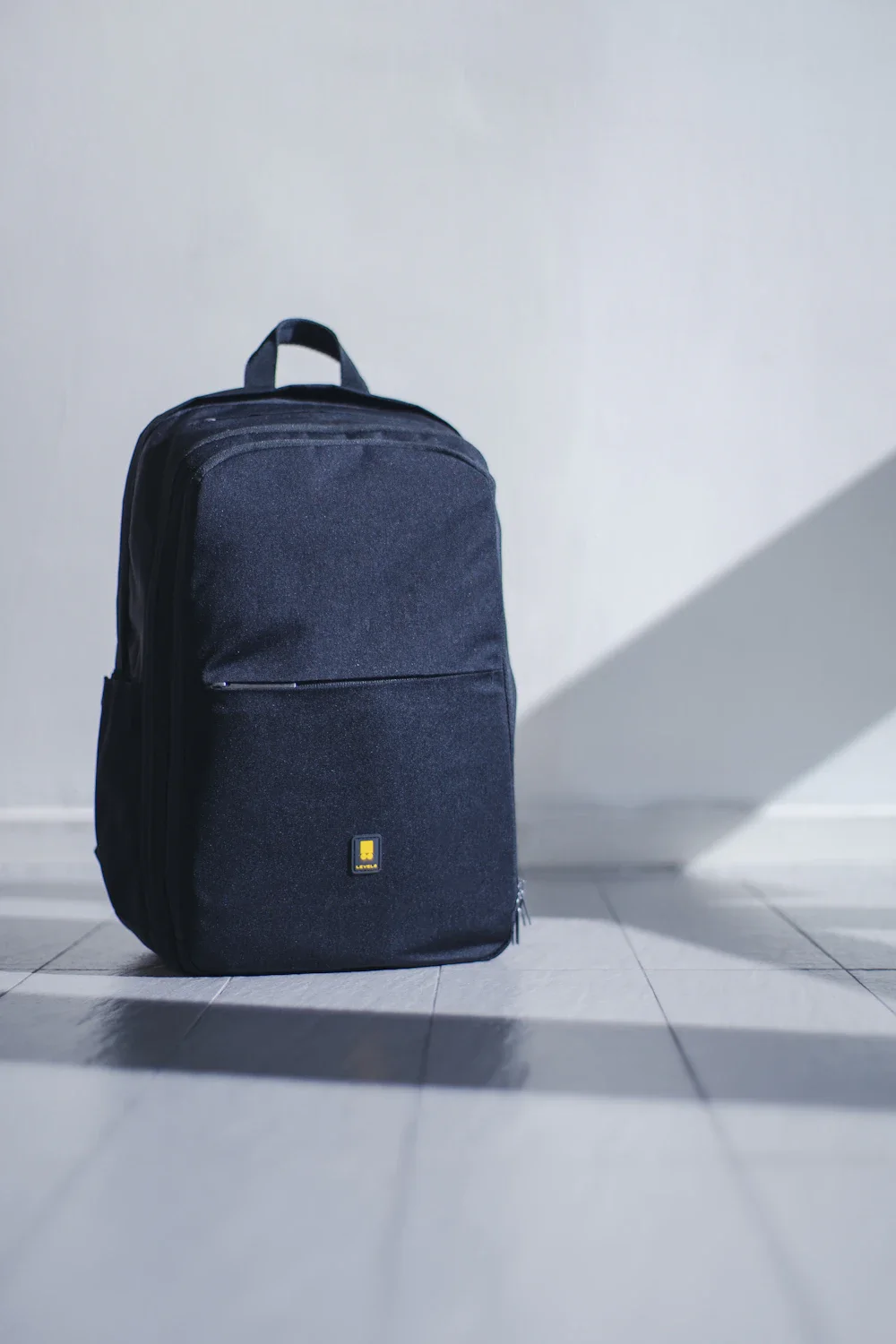
Metal hardware logo: A custom-cast brass or zinc alloy plate or rivet stamped with your brand name or monogram. Attached to the exterior of the bag. High perceived value, particularly effective on structured styles.
Woven label: For the bag's interior, a jacquard-woven label in your brand colors is the standard premium solution. The quality of the weave density directly communicates the quality of the brand.
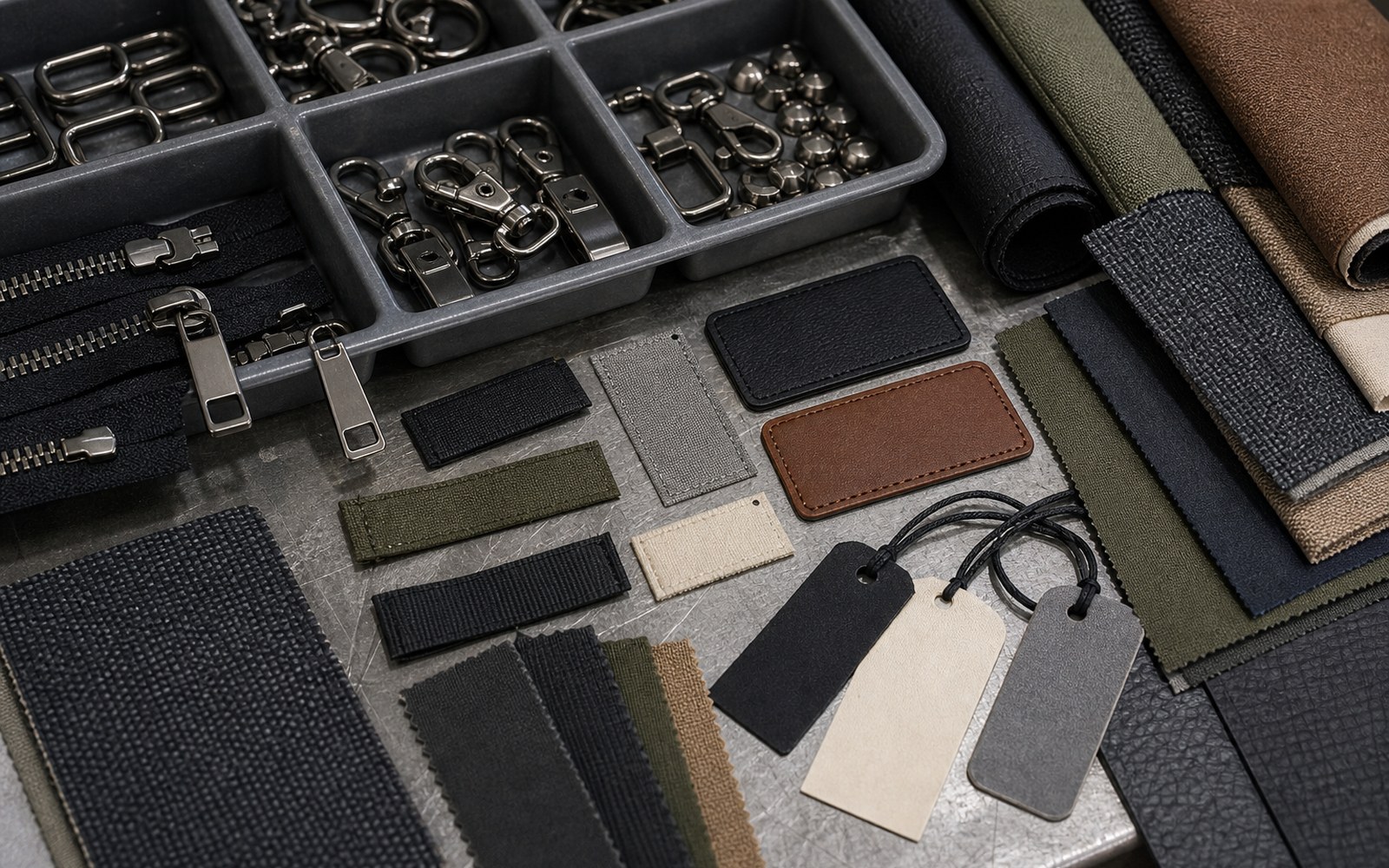
2. Custom Lining: The Interior Brand Statement
The lining of a bag is a private moment between the brand and its customer — and one that most brands neglect entirely. A well-designed custom lining transforms the interior of the bag into a brand touchpoint.
Options available at the manufacturing level include:
- Custom jacquard woven lining: Your brand pattern woven directly into the fabric. The most premium option; minimum quantities typically start at 500 meters of fabric.
- Custom printed canvas lining: A repeat pattern or monogram printed on canvas lining. Lower minimum quantities, more accessible for smaller brands.
- Brand color lining: Even a simple solid lining in a signature brand color (a deep forest green interior in an otherwise neutral-toned bag, for example) creates a distinctive brand signature at minimal cost premium.
3. Custom Hardware: The Detail That Defines the Collection
Custom hardware — bearing your brand's unique design rather than a factory standard — is what separates a private label product from a branded product.
At Celynora, we work with specialized hardware foundries to produce custom-cast buckles, clasps, and zipper pulls from your design files. Minimum quantities for custom hardware typically start at 500–1,000 pieces per design, making it accessible once you have validated a style's commercial potential.
4. Dustbag and Packaging as Brand Extension
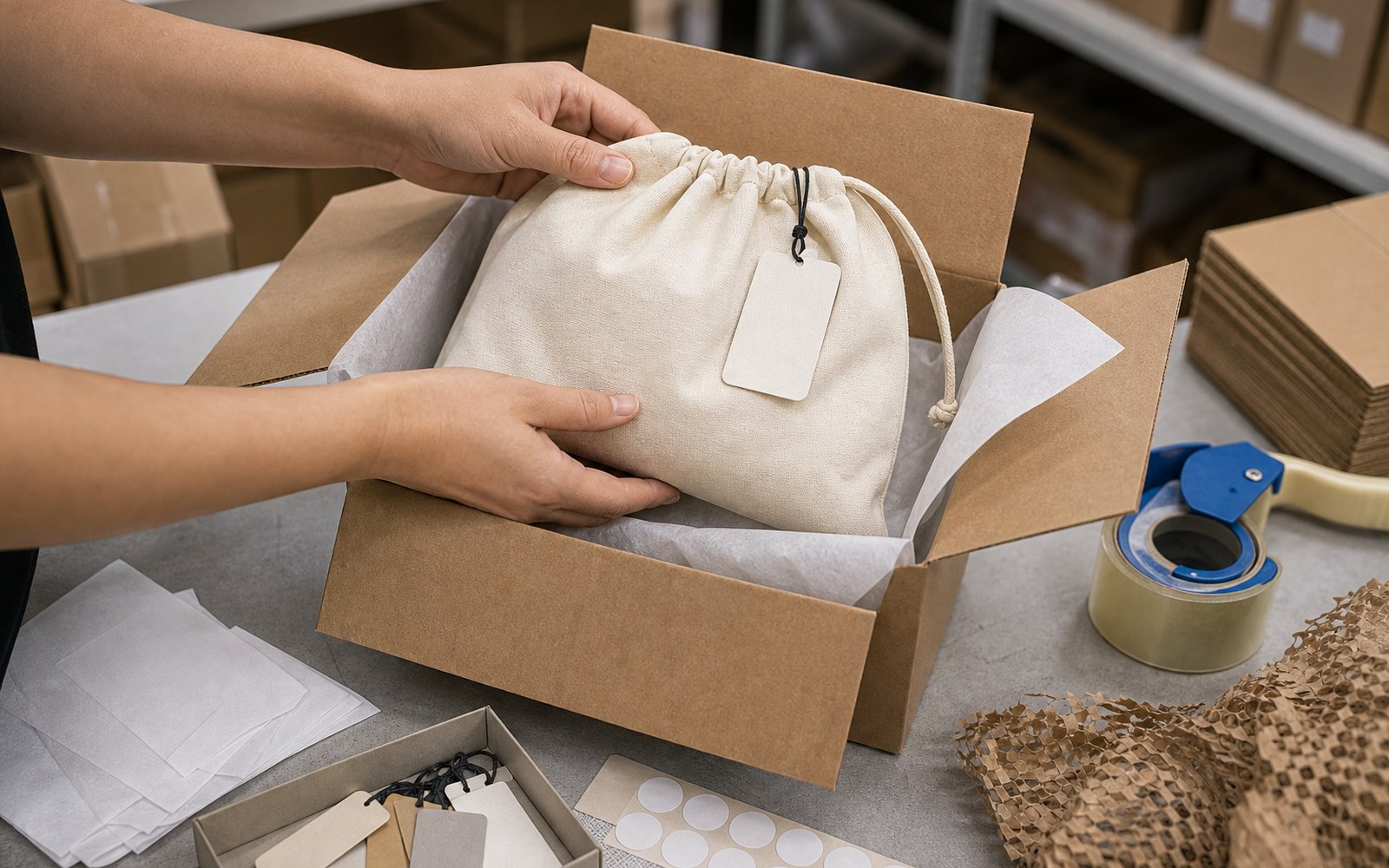
The dustbag is the single most cost-effective branding investment in leather goods. A premium cotton dustbag with embroidered branding costs USD 1.50–3.00 per unit but is used by the customer every time they store or travel with the bag — a constant, repeated brand impression.
Pair it with a branded care card inside the dustbag and you have created a complete post-purchase brand experience that rivals brands spending ten times your budget on marketing.
Conclusion
Private label branding at the manufacturing level is not about spending more — it is about spending deliberately. The brands that build the strongest product identity are those that identify two or three signature branding details and execute them with consistency and quality across every production run.
B2B Buyer Checklist
Before you request a quote, prepare the information that affects MOQ, sample cost, lead time and final unit price.
- Target product category, size and reference images.
- Expected order quantity per style and per color.
- Material preference, lining requirements and hardware finish.
- Logo method, packaging items and delivery country.
- Target retail price or target factory price range.
Decision Table
| Buyer Question | Why It Matters | What to Send the Factory |
|---|---|---|
| What is my MOQ target? | MOQ affects material sourcing, production planning and unit price. | Quantity per style, per color and launch schedule. |
| Which material should I choose? | Material controls price band, durability and brand positioning. | Reference photos, desired texture and target market. |
| How much customization do I need? | Logo, lining, hardware and packaging change sample time and cost. | Logo files, packaging references and required details. |
| What is my delivery deadline? | Sampling, production and shipping need realistic planning. | Launch date, delivery country and preferred shipping method. |