When international brands begin sourcing leather handbags from Chinese manufacturers, one of the first decisions they face is the manufacturing model: OEM or ODM. While these terms are used loosely in the industry, the distinction between them has serious implications for design ownership, cost structure, speed-to-market, and brand differentiation.
Understanding both models — and knowing which one suits your brand's stage and strategy — is fundamental to a successful sourcing partnership.
What Is OEM (Original Equipment Manufacturer)?
In the OEM model, your brand provides the design, and the factory manufactures it exactly to your specification. You own the design IP. The factory owns the production expertise.
This is the preferred model for brands that have an in-house design team, want exclusive products that competitors cannot copy, are building a brand identity around original design language, or have already validated a concept through prototyping.
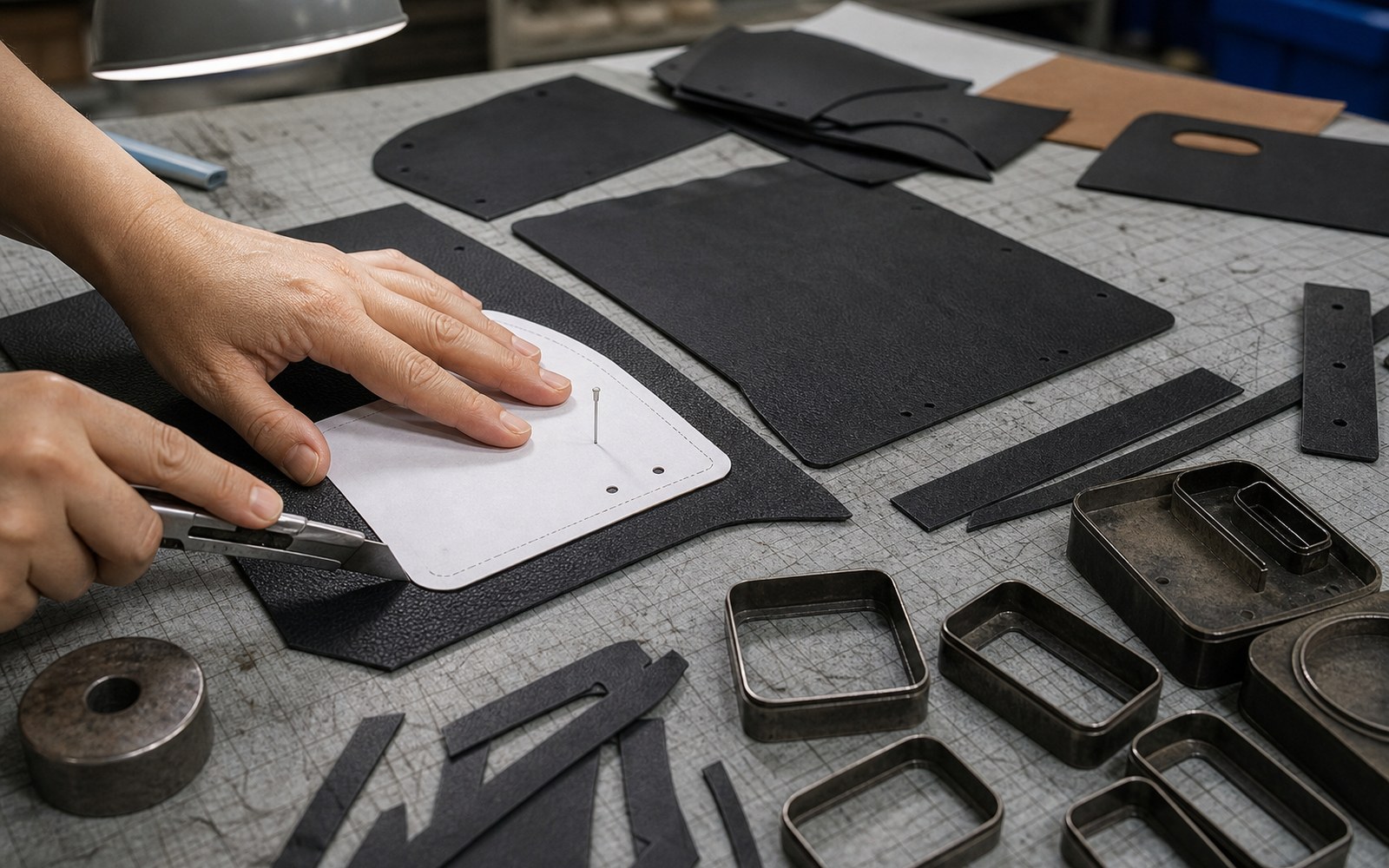
The OEM process begins with your technical sketches or physical reference samples, which the factory's pattern team translates into production-ready templates. The first physical sample typically takes 10–15 business days to complete.
What Is ODM (Original Design Manufacturer)?
In the ODM model, the factory provides existing designs from its development library, and your brand selects, optionally modifies, and private-labels them. The factory retains the underlying design template.
This model works well for brands launching quickly without a large design team, testing market response with proven styles, or focused on branding and marketing rather than original design development.
ODM is significantly faster — a brand can select a style and have branded production samples within 5–7 business days. The trade-off is that the same base design may be available to multiple brands across different markets.
The Hybrid Strategy
Many experienced operators use a hybrid model: start with ODM styles to generate early revenue and market validation, then reinvest those profits into OEM development of signature, hero pieces. This staged approach reduces financial risk while building toward genuine design differentiation over time.
At Celynora, we actively support both pathways and work with brands to plan the transition from ODM to OEM as their collections mature and their design identity becomes clearer.
Key Questions to Help You Decide
- Do you have existing design sketches or technical drawings? → OEM
- Are you launching within the next 60 days? → ODM
- Is design exclusivity critical to your brand? → OEM
- Are you testing a new category for the first time? → ODM
- Do you have a sampling budget of at least USD 500? → OEM is viable
Conclusion
Neither OEM nor ODM is inherently superior — the right model depends on your brand's current stage, resources, and strategic goals. The most important thing is to have this conversation transparently with your factory partner at the outset, so that expectations around design ownership, exclusivity, and IP protection are clearly aligned from day one.
B2B Buyer Checklist
Before you request a quote, prepare the information that affects MOQ, sample cost, lead time and final unit price.
- Target product category, size and reference images.
- Expected order quantity per style and per color.
- Material preference, lining requirements and hardware finish.
- Logo method, packaging items and delivery country.
- Target retail price or target factory price range.
Decision Table
| Buyer Question | Why It Matters | What to Send the Factory |
|---|---|---|
| What is my MOQ target? | MOQ affects material sourcing, production planning and unit price. | Quantity per style, per color and launch schedule. |
| Which material should I choose? | Material controls price band, durability and brand positioning. | Reference photos, desired texture and target market. |
| How much customization do I need? | Logo, lining, hardware and packaging change sample time and cost. | Logo files, packaging references and required details. |
| What is my delivery deadline? | Sampling, production and shipping need realistic planning. | Launch date, delivery country and preferred shipping method. |