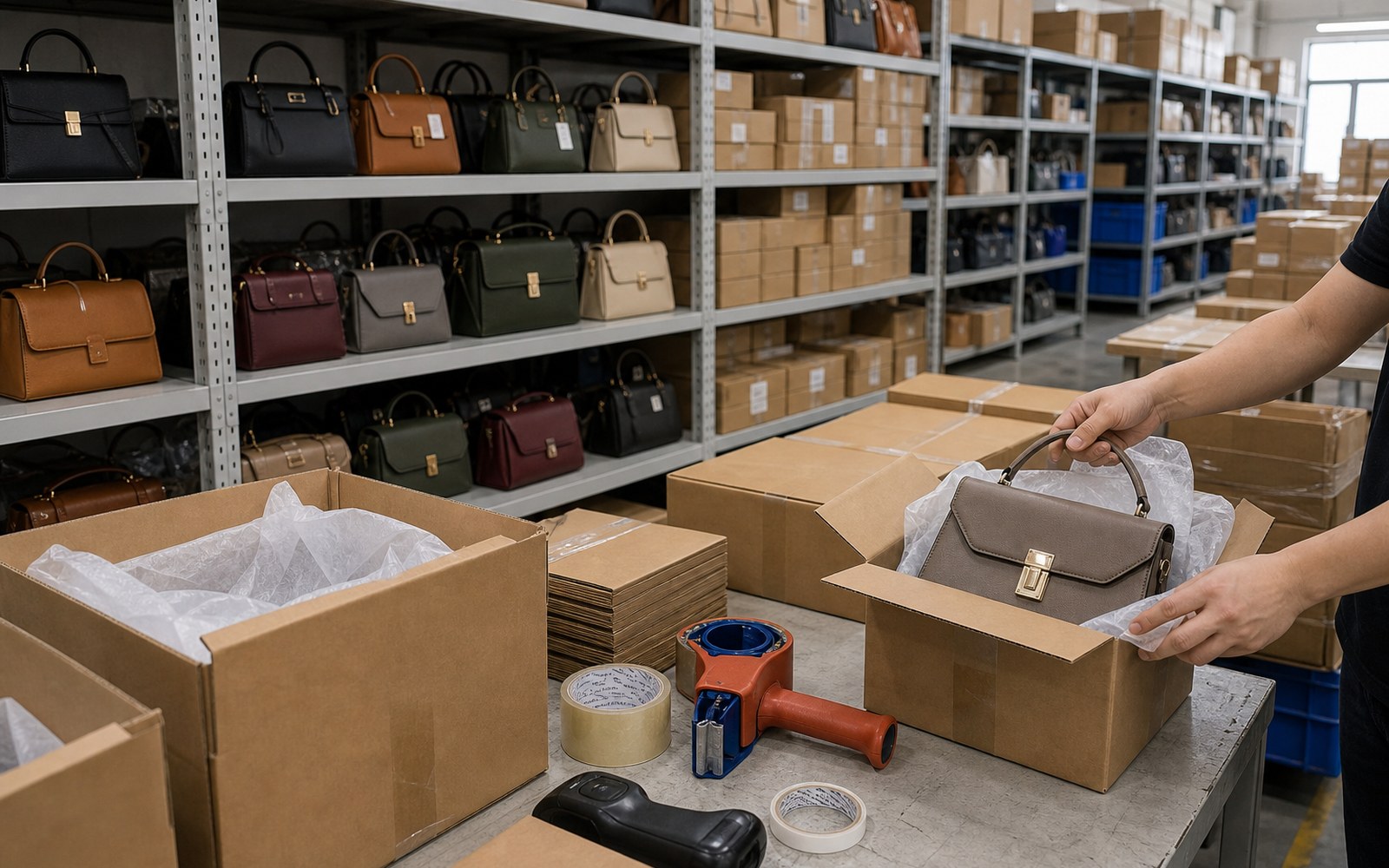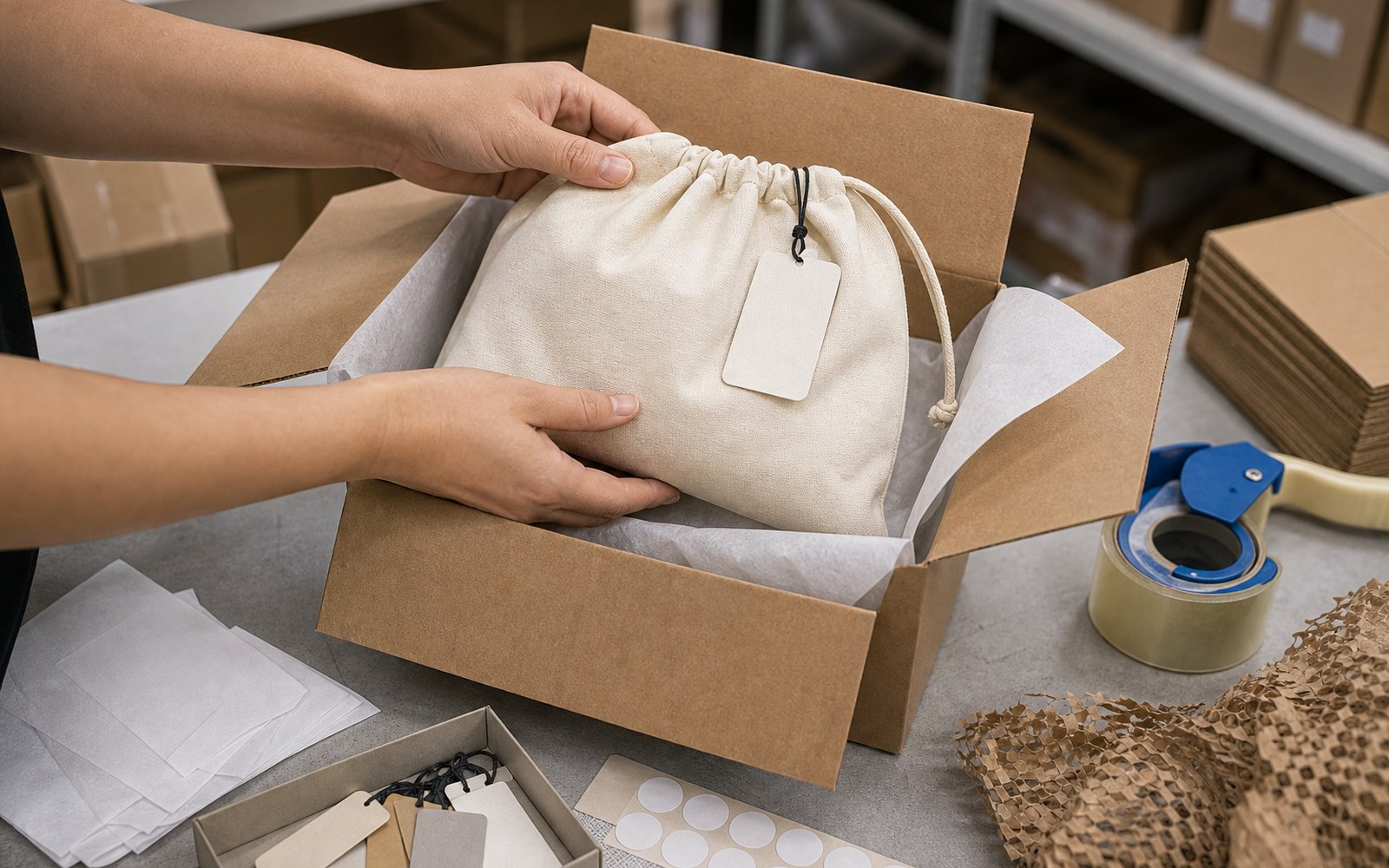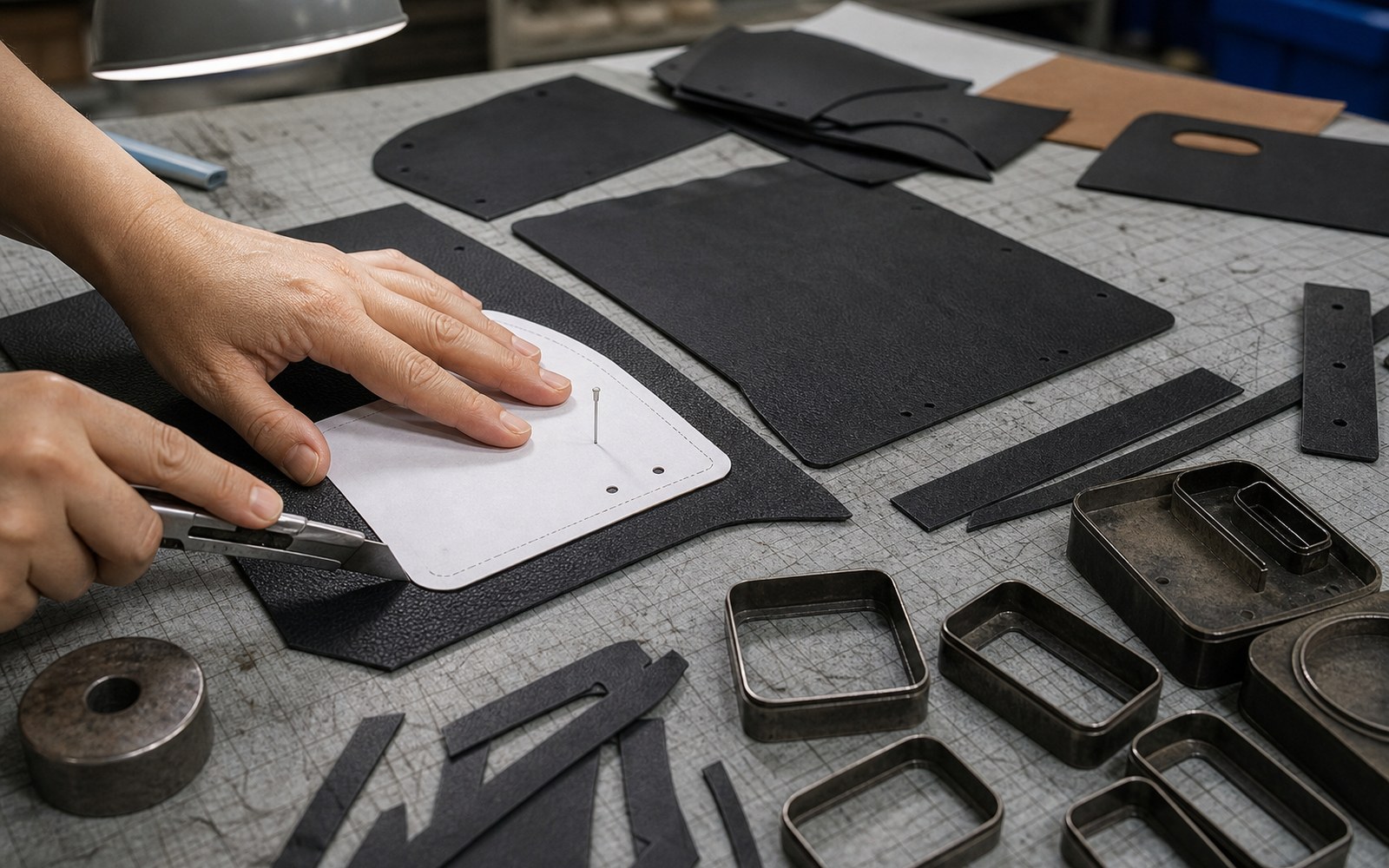
Lead time is one of the most consequential variables in wholesale leather bag sourcing — and one of the most consistently misunderstood. Buyers often treat the lead time quoted by a factory as a fixed commitment. Experienced sourcing professionals treat it as the beginning of a negotiation shaped by production economics, factory capacity, and the specific decisions you make about your order. Understanding what drives lead time, what delays it, and what genuinely accelerates it is one of the most practical skills in the wholesale sourcing toolkit.

The Four Stages of Leather Bag Lead Time
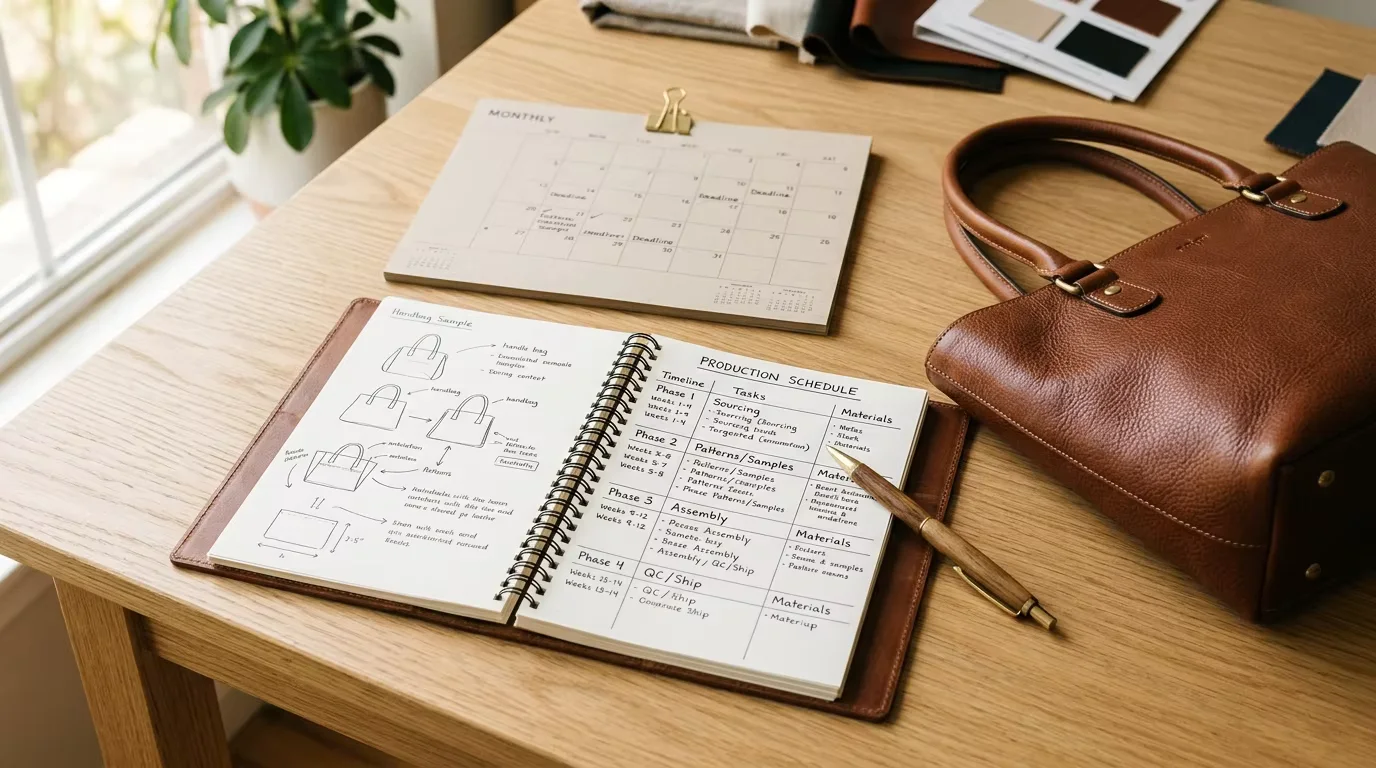
Total lead time from order placement to goods in your warehouse consists of four sequential stages. Understanding each stage gives you leverage to identify where delays are most likely and where acceleration is genuinely possible.
Stage 1: Pre-Production (3–10 days)
After your purchase order is placed and deposit received, the factory enters a pre-production phase: confirming all material specifications, issuing purchase orders to material suppliers, scheduling the production run, and sourcing or producing any custom elements (hardware, custom lining, labels). For standard catalog designs with in-stock materials, this stage can be as short as 3 days. For custom designs requiring material procurement or custom hardware development, pre-production can take up to 2 weeks.
Stage 2: Material Procurement (5–14 days)
If the factory does not have all required materials in stock, they must be sourced and delivered to the factory before cutting can begin. Leather hides from domestic tanneries typically arrive in 5–7 days. Imported hides or specialty materials can take 10–14 days. Hardware from domestic suppliers typically arrives in 3–5 days; custom hardware from specialty foundries can take 2–3 weeks. This stage runs partly in parallel with pre-production but is often the hidden driver of lead time extension.
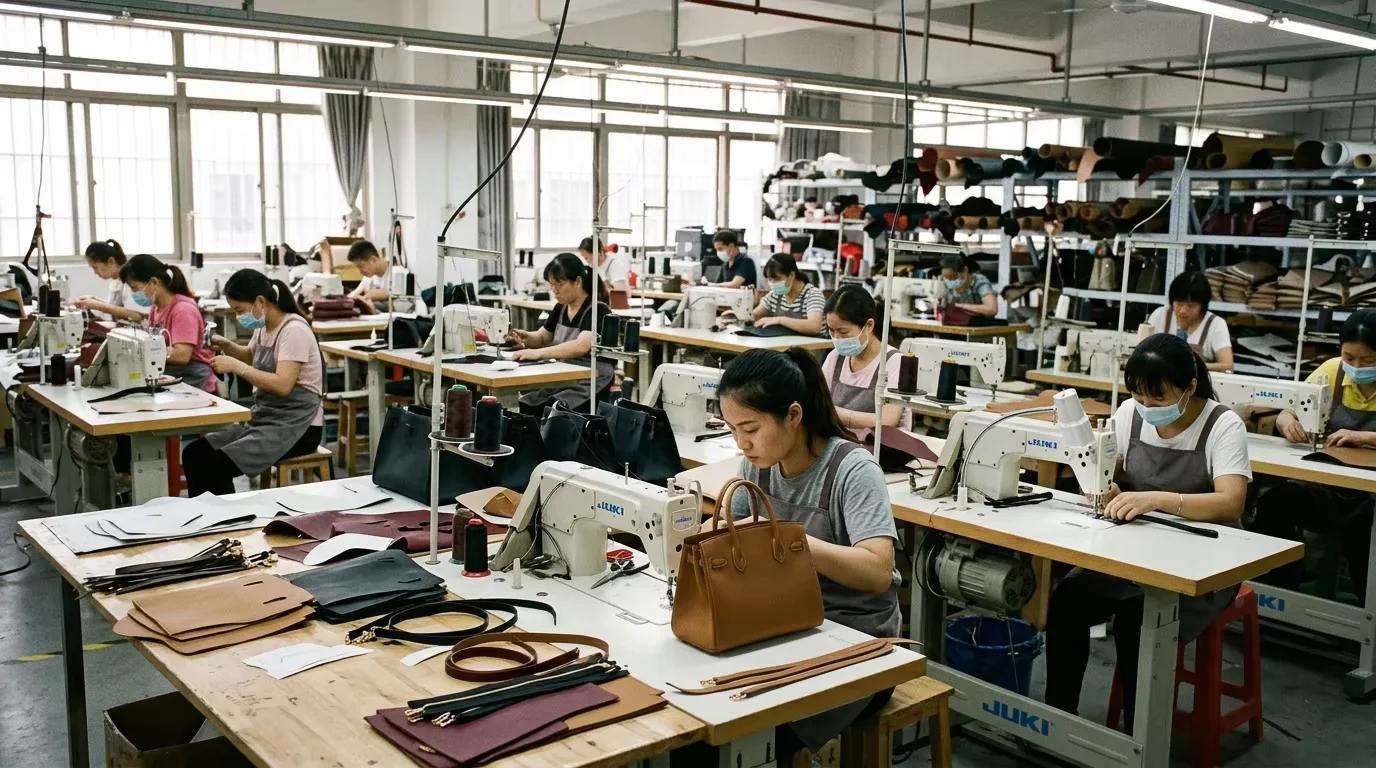
Stage 3: Production (10–20 days)
Actual production — cutting, stitching, finishing, QC — typically takes 10–20 working days for a batch of 100–500 units of a standard bag design. Complexity affects this significantly: a simple tote with minimal hardware cuts and assembles faster than a structured top-handle bag with multiple compartments and custom hardware. Very small orders (under 50 units) often take proportionally longer because they cannot be run as a continuous production batch.
Stage 4: QC, Packing and Export (5–8 days)
After production is complete, the goods go through final inspection (1–2 days), packing (1–2 days), export documentation preparation (1–2 days), and transport to the port or airport (1–2 days). For pre-shipment inspections conducted by a third-party inspector, add 2–3 days to schedule and complete the inspection.
Realistic Total Lead Times by Order Type
Adding these stages together:
- Catalog ODM design, in-stock materials, 100–300 units: 20–28 days from order placement to goods ready to ship
- Minor customization (color change, hardware finish change), 100–300 units: 25–35 days
- Custom OEM design with existing tooling, 200–500 units: 30–45 days
- Fully custom OEM design with new tooling, 200–500 units: 45–60 days (first order; reorders significantly faster)
- Custom hardware development included: Add 3–5 weeks to any of the above
These timelines assume a factory that is not capacity-constrained. During peak production periods (April–June pre-summer season, August–October pre-Christmas season), add 1–2 weeks to all estimates. Chinese national holidays — particularly Chinese New Year (typically January–February, factory closed 2–3 weeks) and Golden Week (October 1–7) — add to lead time if your order falls within or immediately after the holiday period.
What Genuinely Speeds Up Lead Time
Pre-approve materials before placing the bulk order. The single biggest cause of lead time extension is material approval delays during production. If you can approve leather color, hardware finish, and lining fabric at the sample stage rather than re-approving at the bulk production stage, you eliminate a common 5–10 day delay.
Place deposits promptly. Factories typically do not begin material procurement or schedule production until the deposit is received. A 5-day delay in transferring the deposit is a 5-day delay in the start of your production. Wire transfers to Chinese factories typically clear in 1–2 business days from major international banks.
Complete sample approval quickly. For repeat orders, push for a counter-sample or photo approval rather than a physical sample review — eliminating the 2–3 week physical sample turnaround. Most factories will accept this for styles they have produced before.
Build a factory relationship. Factories prioritize their most reliable customers when capacity is tight. Buyers who pay on time, communicate clearly, and provide prompt feedback consistently get better scheduling treatment than buyers who are difficult to work with — even at lower order volumes.
Managing Customer Expectations Around Lead Time
For brands selling direct-to-consumer, lead time management is a brand promise issue as much as a logistics issue. Building a buffer into your customer-facing timelines — committing to delivery dates that assume your factory's maximum lead time rather than minimum — protects your brand from the reputational damage of missed delivery commitments. A product that arrives early is a pleasant surprise; a product that arrives late damages customer trust in ways that take many subsequent positive experiences to repair.
B2B Buyer Checklist
Before you request a quote, prepare the information that affects MOQ, sample cost, lead time and final unit price.
- Target product category, size and reference images.
- Expected order quantity per style and per color.
- Material preference, lining requirements and hardware finish.
- Logo method, packaging items and delivery country.
- Target retail price or target factory price range.
Decision Table
| Buyer Question | Why It Matters | What to Send the Factory |
|---|---|---|
| What is my MOQ target? | MOQ affects material sourcing, production planning and unit price. | Quantity per style, per color and launch schedule. |
| Which material should I choose? | Material controls price band, durability and brand positioning. | Reference photos, desired texture and target market. |
| How much customization do I need? | Logo, lining, hardware and packaging change sample time and cost. | Logo files, packaging references and required details. |
| What is my delivery deadline? | Sampling, production and shipping need realistic planning. | Launch date, delivery country and preferred shipping method. |