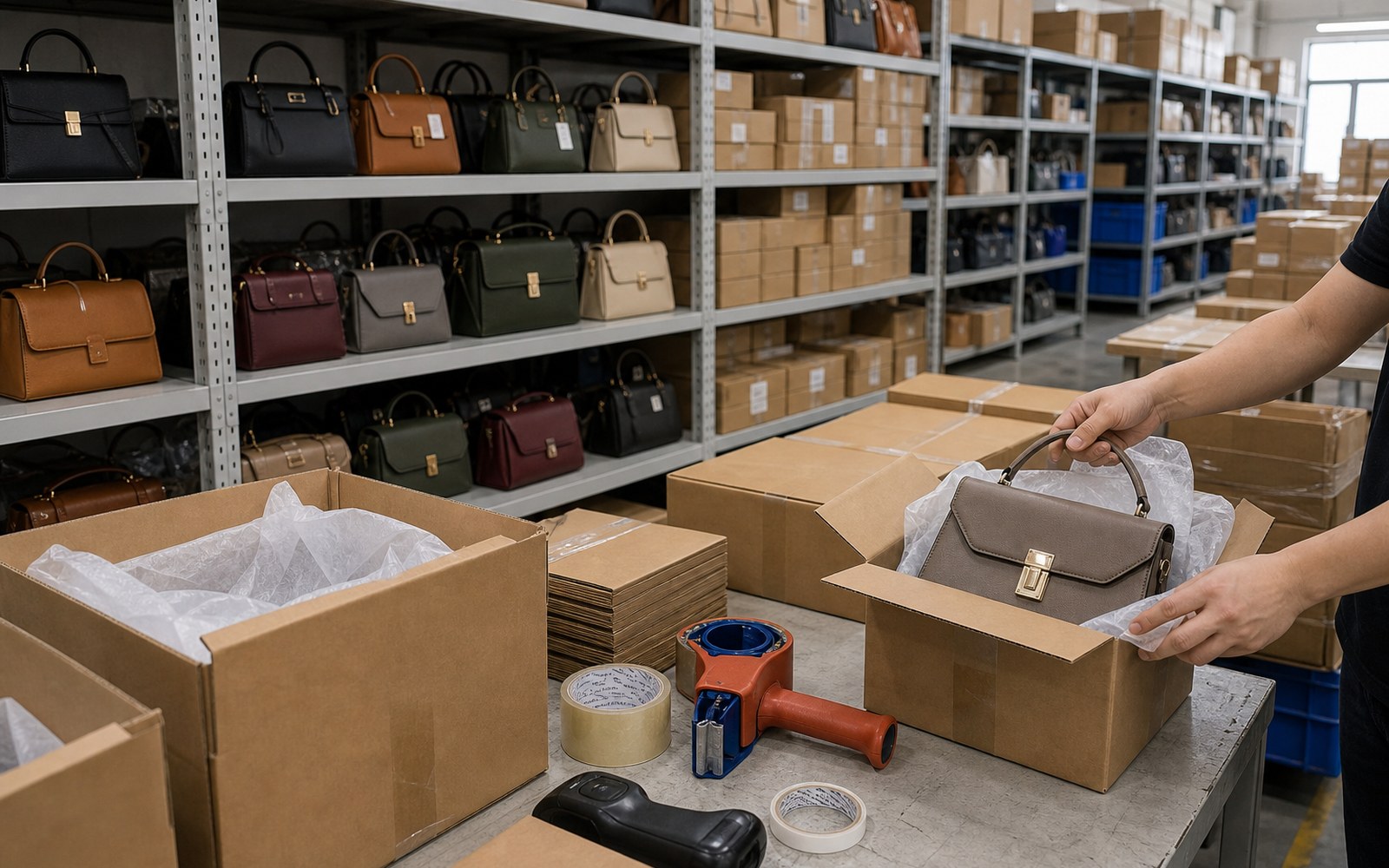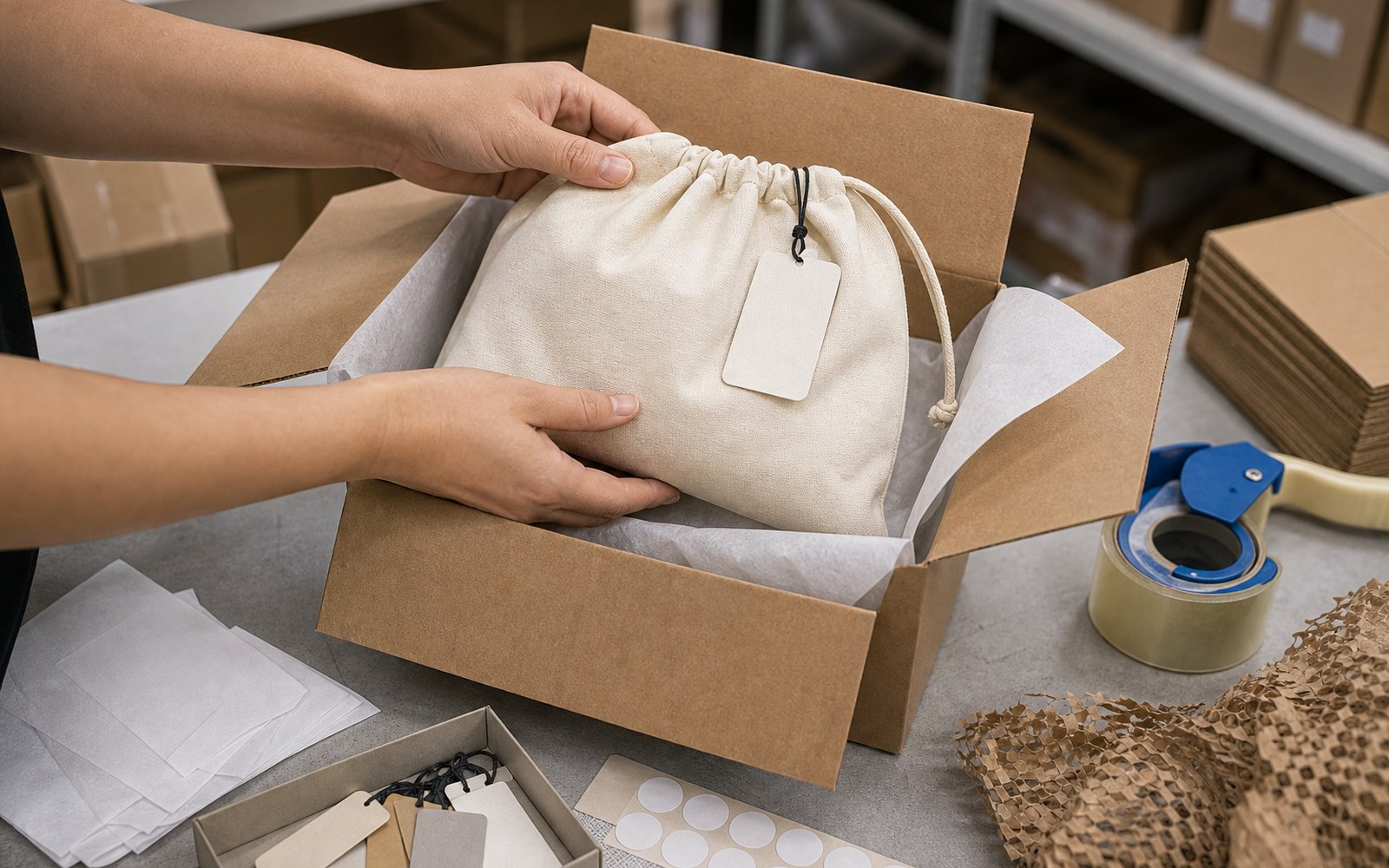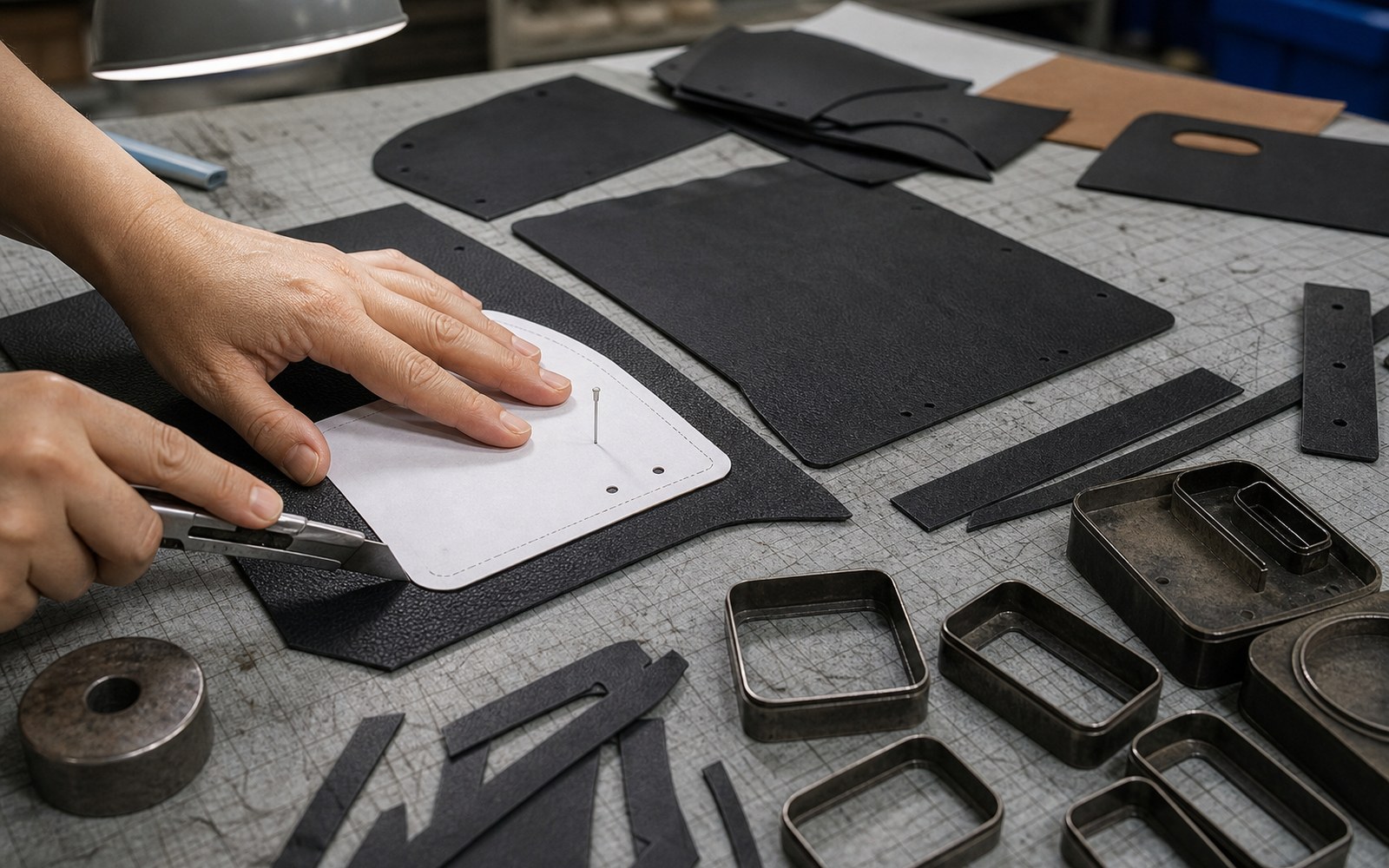
Sourcing leather handbags from China is one of the most effective ways to build a profitable accessory business. China produces over 60% of the world's leather goods, and the Guangdong province alone — home to Guangzhou and its surrounding industrial towns — houses thousands of factories that supply boutiques, department stores, and fashion brands across every major market.
But sourcing from China without a clear process is how brands lose money, time, and momentum. This guide gives you a practical, step-by-step framework for finding the right factory, evaluating quality, negotiating terms, and placing your first order with confidence.

Why Source Leather Handbags from China?
Before diving into the how, it helps to understand why China remains the dominant sourcing destination for leather goods buyers worldwide — even as other countries like Vietnam, India, and Cambodia have grown their manufacturing capacity.
Cost efficiency at scale: Factory-direct pricing for genuine leather handbags in China typically ranges from $18–$65 USD per unit (FOB Guangzhou), depending on the leather grade, hardware, and complexity of construction. Comparable quality from European factories would cost 4–6x more.
Vertical integration: China's leather goods manufacturing clusters are fully integrated. Tanneries, hardware suppliers, lining fabric mills, zipper manufacturers, and packaging companies are all located within hours of each other. This means faster sampling, lower component costs, and tighter quality control at every stage.
Customization capability: The majority of mid-to-large Chinese leather factories offer full OEM and ODM services. You can bring your own design, modify an existing style, request custom hardware finishes, choose your lining color, and add private label branding — all under one roof.
Production speed: A well-organized Chinese factory can turn around a pre-production sample in 7–15 business days, and complete a standard production run of 200–500 pieces in 25–35 working days. This allows for 4–6 product cycles per year, which is essential for keeping collections fresh.
Step 1: Define Your Requirements Before Contacting Any Factory
The most common mistake first-time buyers make is reaching out to factories with vague requests. "I want leather bags" gets you nowhere. Before you contact a single supplier, define:
1. Product category: Are you looking for tote bags, shoulder bags, crossbody bags, clutches, backpacks, or a mix? Each requires different machinery and expertise.
2. Leather type: The material choice drives cost more than any other factor:
- Full-grain cowhide: The highest quality, shows natural grain, ages beautifully. Best for premium positioning. Cost range: $35–$65 FOB.
- Top-grain cowhide: Sanded and treated for a more uniform appearance. The most common material for mid-to-premium wholesale bags. Cost range: $22–$45 FOB.
- Genuine leather (split leather): The lowest grade of real leather. Acceptable for entry-level price points but has durability limitations. Cost range: $15–$28 FOB.
- Nappa leather (lambskin/goatskin): Ultra-soft, used for luxury feel. More delicate than cowhide. Cost range: $28–$55 FOB.
3. Target retail price: Define a target retail price and identify the product, freight, insurance, import and local-delivery inputs that must be checked. Obtain current classification, duty, tax and fee information for the specific product, material, origin, destination and shipment date from official databases and licensed professionals before estimating landed cost.
4. Minimum order quantity (MOQ): Most reputable Chinese leather factories have MOQs of 100–300 pieces per style. If you need lower MOQs (30–50 pieces), you will need to find a smaller workshop or pay a higher per-unit price.
5. Customization level: Are you buying from their existing catalog (fastest, lowest cost), modifying an existing design (medium complexity), or developing an entirely new design (longest lead time, requires tech pack or detailed reference)?

Step 2: Finding the Right Factory
There are four main channels for finding verified leather bag manufacturers in China:
Alibaba.com
The largest B2B marketplace for Chinese manufacturers. Use filters to narrow by "verified supplier," "trade assurance," and minimum years in business (5+ years recommended). Search terms that work well: *"genuine leather handbag manufacturer,"* *"OEM leather bag factory,"* *"wholesale leather tote bag supplier."*Important: Do not judge factories by their storefront photos alone. Always request video calls, factory photos with timestamps, and references from existing buyers.
Canton Fair (Guangzhou Import and Export Fair)
Held twice a year (April and October) in Guangzhou, this is the world's largest trade fair and an excellent place to meet leather goods factories face-to-face, see samples in person, and begin relationships. Phase 2 of the fair (typically weeks 2–3) covers leather goods and accessories.Referrals from other buyers
The most reliable leads come from other boutique owners, brand founders, or sourcing agents who have already done the vetting work. Industry communities, trade forums, and LinkedIn groups for fashion buyers are good places to ask.Sourcing agents
A local sourcing agent based in Guangzhou or Shenzhen can save significant time. They speak the language, understand factory culture, can negotiate on your behalf, and perform on-site quality checks. Agent fees typically range from 5%–10% of the order value or a flat monthly retainer.Step 3: Evaluating a Factory — The Right Questions to Ask
Once you have a shortlist of 5–8 factories, the evaluation process begins. Do not rely on their marketing materials. Ask directly:
Factory basics:
- How many years has the factory been operating?
- How many workers do you employ in production?
- What is your monthly production capacity?
- Do you have photos or a video tour of your production floor?
Quality and certification:
- What leather grades do you work with, and who are your main leather suppliers?
- Do you have BSCI, ISO, or other quality certifications?
- What is your defect rate and how do you handle QC internally?
- Can I send an independent inspector before shipment?
Clients and references:
- What markets do you export to?
- Can you share 2–3 references from existing clients (brands or retailers)?
- Do you have any current clients in my target market (US, Europe, Australia)?
Production terms:
- What is your standard MOQ per style per color?
- What is the sample lead time and sample cost?
- What is the production lead time for a standard order of 200 pieces?
- What payment terms do you offer? (Standard: 30% deposit, 70% before shipment)
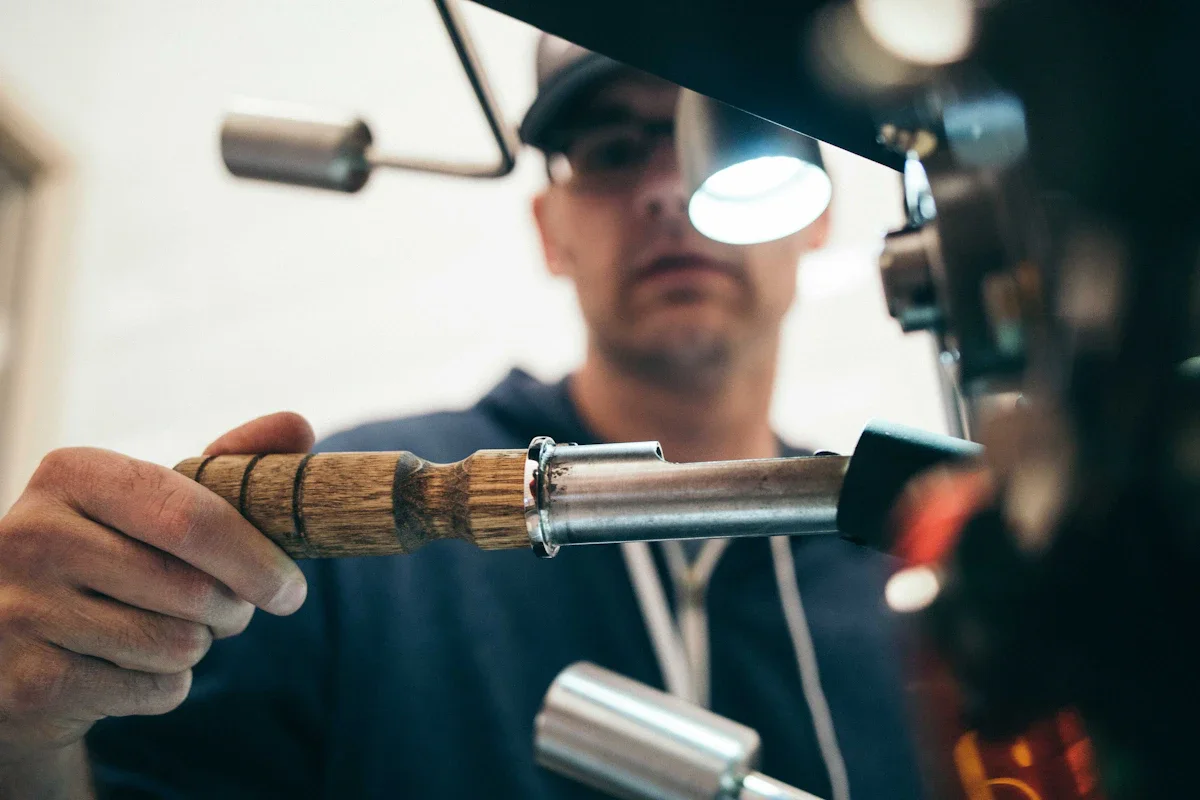
Step 4: The Sampling Process
Never skip samples. This is the single most important step in the entire sourcing process.
Pre-production sample (PP sample): This is the factory's interpretation of your design or selected style. It should match your specifications for leather type, color, hardware, dimensions, lining, and closure. Review it against a detailed checklist before approving.
What to check on your sample:
- Leather quality: Is the grain consistent? Any blemishes, thin spots, or uneven dyeing?
- Stitching: Are stitch lines straight and even? Stitch count per inch (8–10 stitches/inch is standard for quality bags)?
- Hardware: Does it feel solid and substantial? Any rough edges or misalignment?
- Structure: Does the bag hold its shape when empty? Are the base corners reinforced?
- Lining: Is it properly attached, free of puckering, and does the color match the specification?
- Dimensions: Does it match your specified measurements within ±0.5cm?
- Zipper function: Does it run smoothly without catching or skipping?
If the sample passes, request one final counter sample — an identical copy that confirms production consistency — before approving mass production.
Step 5: Pricing, Negotiation, and Payment Terms
Trade terms and cost responsibilities: Confirm the selected trade term and each party's responsibilities in the current quotation and order documents. Ask qualified logistics and customs professionals to verify the charges and clearance responsibilities that apply to the specific shipment.
Landed-cost inputs: Do not rely on a generic rate or sample calculation. Review the current product price, freight, insurance and local-delivery quotes, then verify classification, duty, tax and clearance inputs for the specific product, material, origin, destination and shipment date through official databases and licensed professionals.
Negotiation tips:
- Volume is your strongest lever. Committing to 300 pieces instead of 100 can reduce unit cost by 8–15%.
- Ask for a price breakdown. Knowing what portion is leather, labor, and hardware helps you understand where flexibility exists.
- Do not negotiate on quality to hit a price target. Negotiate on volume, payment terms, or simplify the design instead.
- Standard payment terms are 30% T/T deposit, 70% T/T before shipment. Established relationships can eventually move to 30/70 with the balance paid after QC inspection.
Step 6: Shipping and Logistics
Ocean freight is the standard choice for orders over 200 units. Transit time from Guangzhou to major ports:
- Los Angeles: 14–18 days
- Rotterdam (Europe): 25–32 days
- Sydney: 18–22 days
Air freight is faster (3–5 days) but costs approximately 6–8x more per kg. Use it for urgent orders, first samples, or small quantities where the time-to-market advantage justifies the cost.
Logistics support: Buyers may consult qualified logistics providers for transport coordination and licensed customs professionals for destination-specific classification, documentation, duty, tax and clearance questions.
Common Mistakes First-Time Buyers Make
Learn from these before they cost you money:
- Ordering without a sample: Photos on Alibaba do not tell you how a bag feels, smells, or holds up under use. Always sample first.
- Choosing the cheapest quote: The lowest price almost always means compromised leather grade, thinner hardware, or rushed stitching. It catches up with you in returns and reviews.
- Not specifying clearly: Vague specifications produce vague results. If you want 10 stitches per inch, write it in the order sheet. If you want cognac, specify the Pantone or provide a leather swatch.
- Skipping QC inspection: An independent pre-shipment inspection costs $150–$300 and can save you from accepting an entire production run with a systemic defect.
- Underestimating lead times: Factor in sample approval time (1–2 weeks), production (4–6 weeks), and shipping (2–5 weeks). Your first order will take 3–4 months from initial contact to product in hand. Plan accordingly.
Why the Right Factory Partner Matters
The difference between a supplier and a manufacturing partner is consistency, communication, and a shared investment in your success. The best factory relationships are built over multiple orders, with both sides understanding each other's standards, timelines, and growth trajectory.
When contacting CELYNORA, submit the product reference, material, branding, packaging, quantity, destination and target schedule you want reviewed. Available scope, commercial terms and timing are confirmed for the specific project in the current quotation and order documents.
Ready to start? Browse our wholesale catalog or contact us directly to discuss your first order.
B2B Buyer Checklist
Before you request a quote, prepare the information that affects MOQ, sample cost, lead time and final unit price.
- Target product category, size and reference images.
- Expected order quantity per style and per color.
- Material preference, lining requirements and hardware finish.
- Logo method, packaging items and delivery country.
- Target retail price or target factory price range.
Decision Table
| Buyer Question | Why It Matters | What to Send the Factory |
|---|---|---|
| What is my MOQ target? | MOQ affects material sourcing, production planning and unit price. | Quantity per style, per color and launch schedule. |
| Which material should I choose? | Material controls price band, durability and brand positioning. | Reference photos, desired texture and target market. |
| How much customization do I need? | Logo, lining, hardware and packaging change sample time and cost. | Logo files, packaging references and required details. |
| What is my delivery deadline? | Sampling, production and shipping need realistic planning. | Launch date, delivery country and preferred shipping method. |