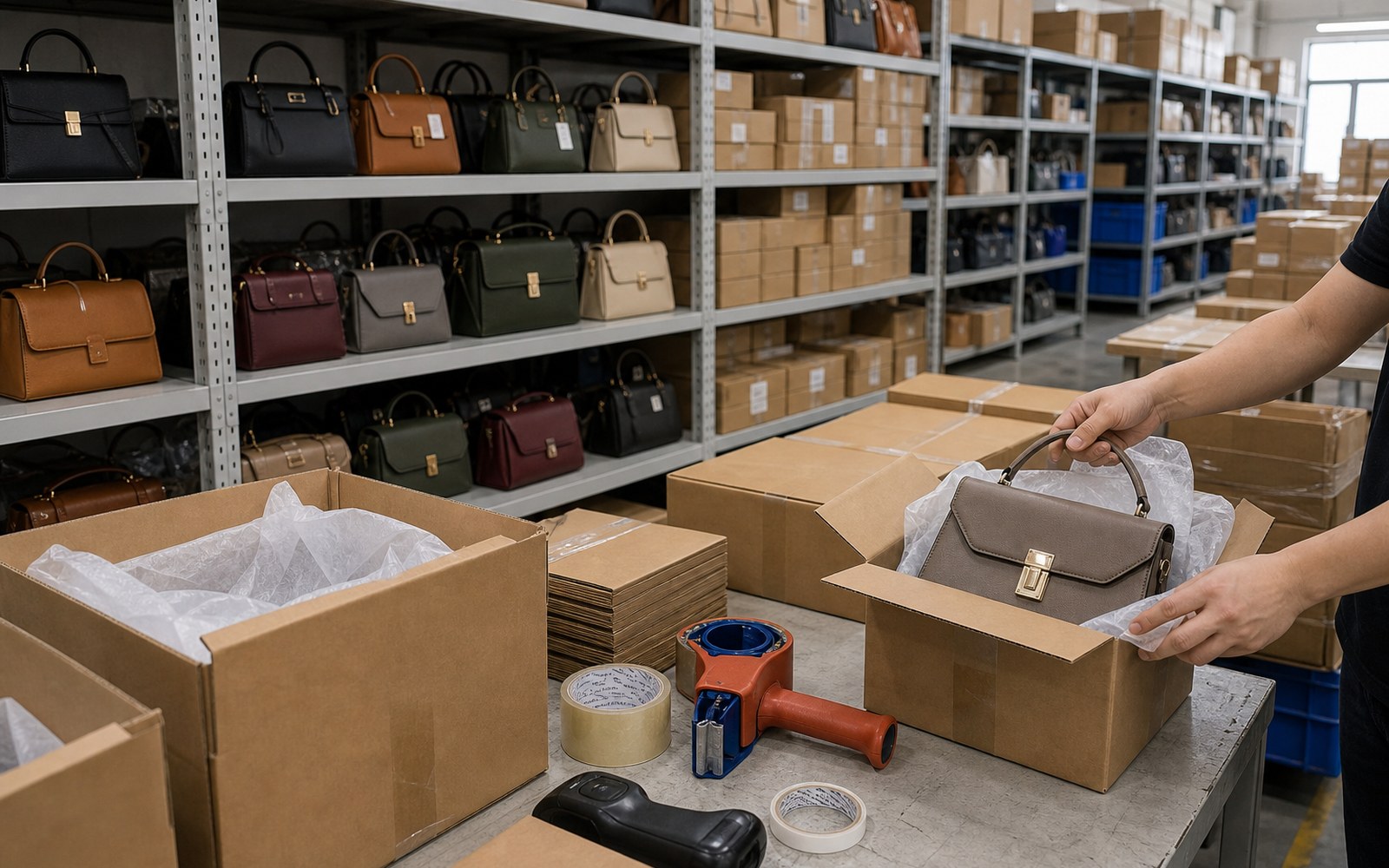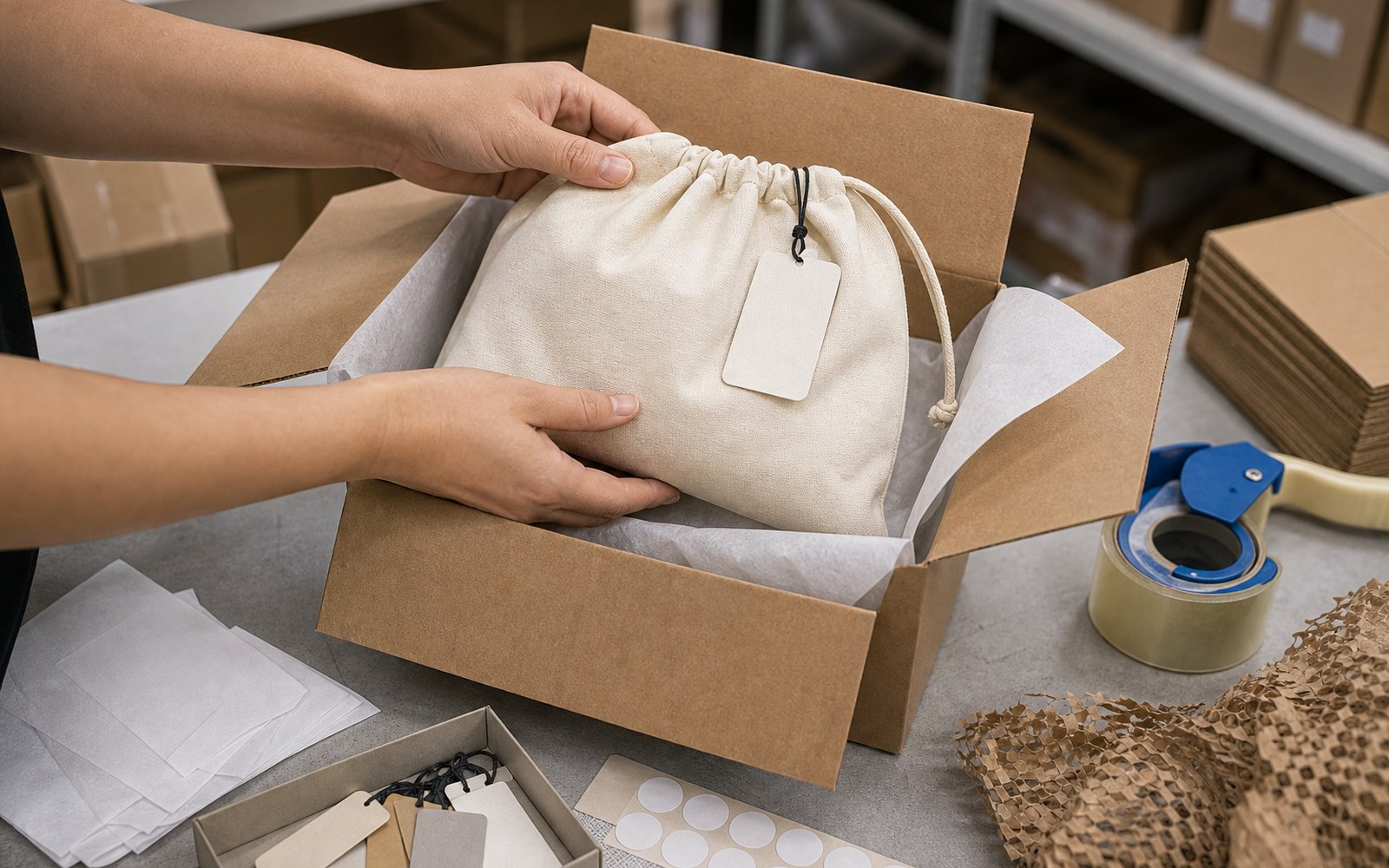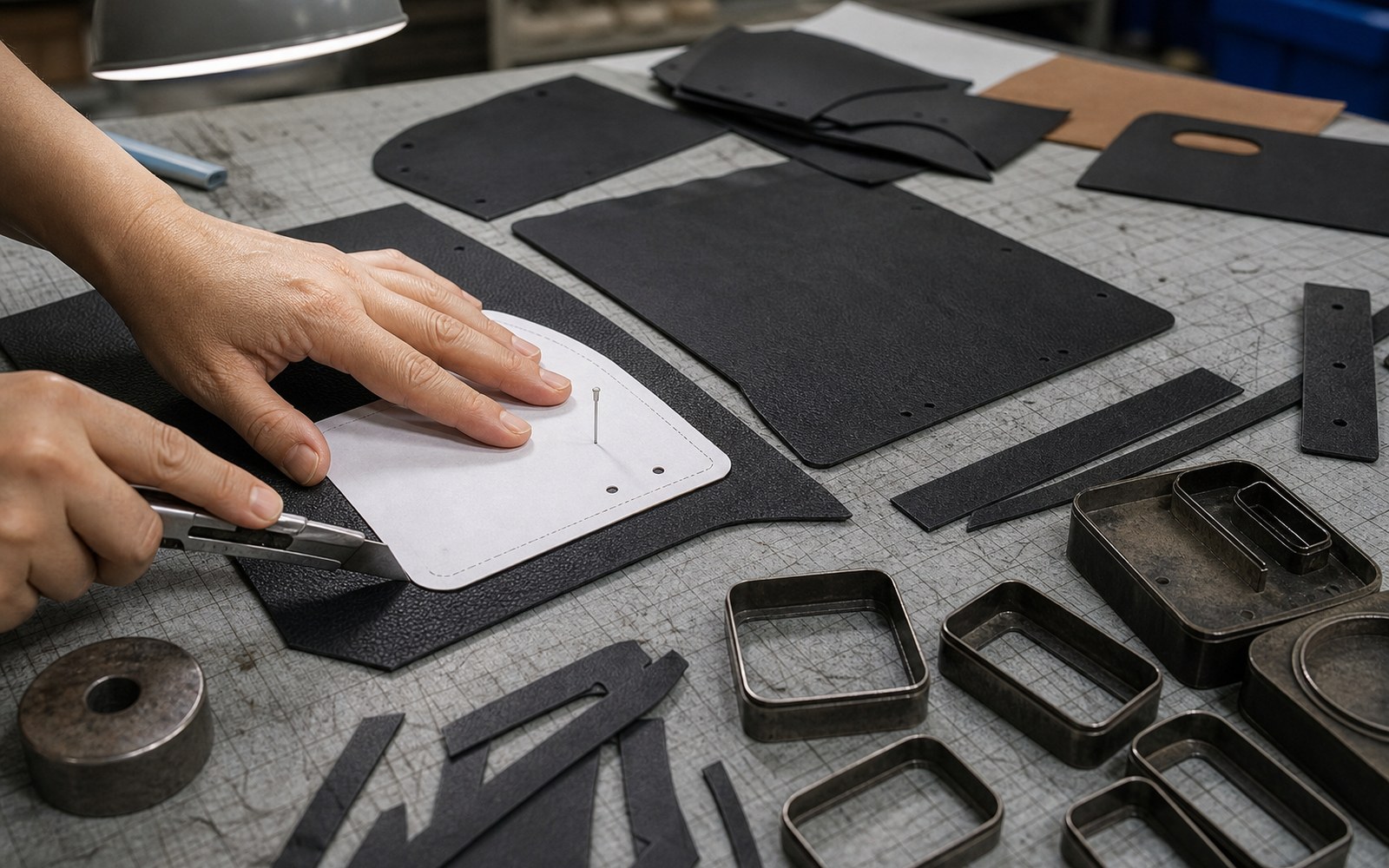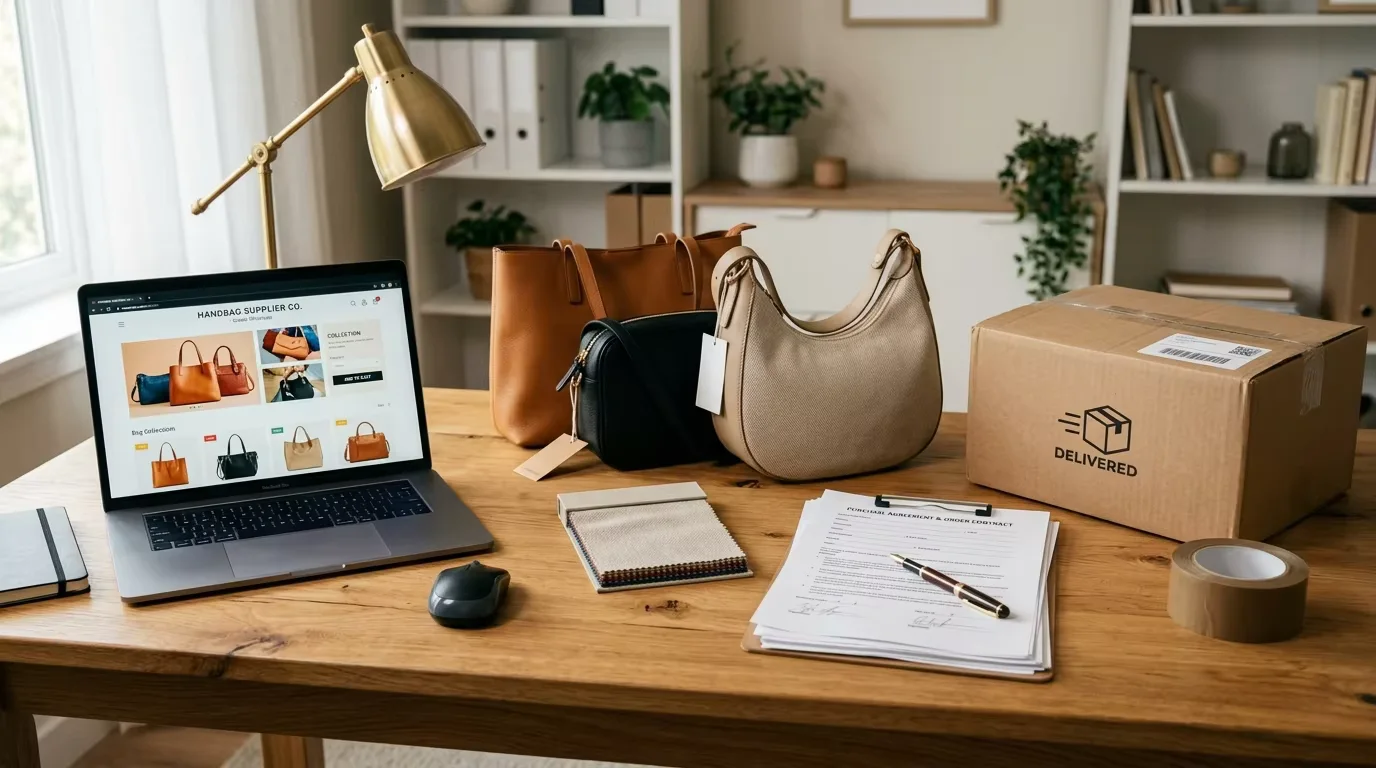
Ordering handbags directly from a Chinese manufacturer for the first time is a process that rewards preparation and penalizes improvisation. The buyers who navigate it most successfully are not necessarily those with the most sourcing experience — they are the ones who understand the sequence of decisions required, prepare documentation in advance, and communicate clearly at each stage. This guide gives you the complete step-by-step process from initial contact to delivery, with specific guidance on what to do, what to avoid, and what to expect at each stage.
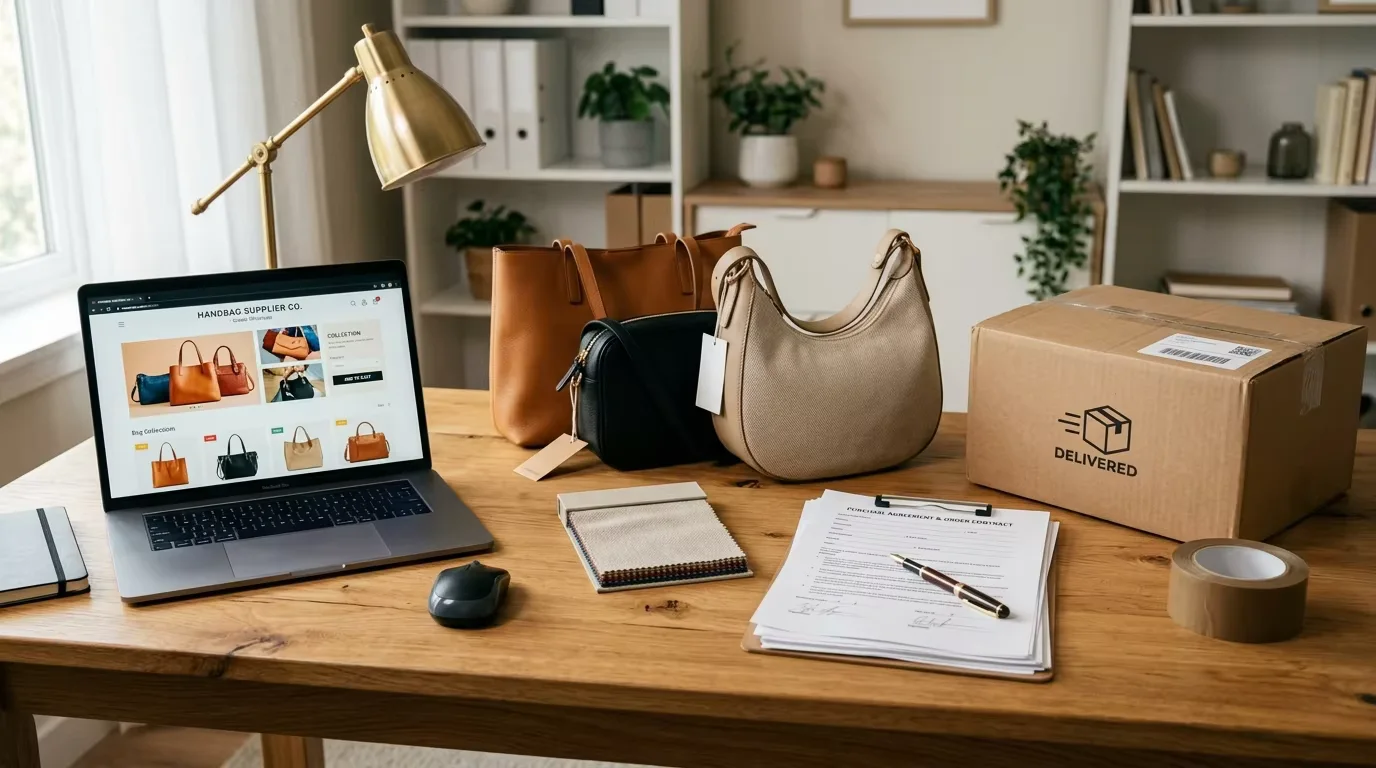
Step 1: Define Your Requirements Before Contacting Suppliers
The most common mistake first-time buyers make is contacting manufacturers before they have defined what they actually need. Factories receive dozens of inquiries daily; a vague inquiry ("we are looking for leather bags") receives less attention and a less accurate quotation than a specific one. Before reaching out, define: the bag category and approximate silhouette, target materials (leather type and grade, or vegan alternatives), target retail price range (which implies a factory price range), approximate initial order quantity, and any branding requirements.
You do not need a complete tech pack at this stage — that comes later. But you should be able to answer these basic questions in your first inquiry without follow-up.
Step 2: Identify and Qualify Suppliers
Chinese leather bag manufacturers can be found through B2B platforms (Alibaba, 1688, Global Sources), trade shows (Canton Fair, held twice yearly in Guangzhou), industry referrals, or sourcing agents. When evaluating potential suppliers, check: years in operation (longer is generally more reliable), export experience (factories that regularly export to Western markets understand compliance and documentation requirements), whether they are a manufacturer or trading company (trading companies add a margin layer; manufacturers give you direct production access), and their minimum order quantities relative to your planned volume.
Request video calls rather than relying on text communication for initial qualification. A factory willing to video call, who can show you the production floor and introduce relevant team members, is demonstrating the kind of transparency that characterizes reliable long-term manufacturing partners.
Step 3: Request Samples
Never place a bulk order without receiving and approving samples. For a first order from a new supplier, request either a catalog sample of a similar existing style (to assess baseline quality) or a development sample from your own design brief.
Sample costs are typically $60–300 per style depending on complexity, plus international courier costs ($30–60 via DHL or FedEx from China). Most legitimate factories deduct sample costs from your first bulk order payment. Sample lead time is typically 7–14 days for catalog styles and 14–25 days for custom development samples.
When samples arrive, inspect them systematically against the criteria in your specification: material grade, stitching quality, hardware function, edge finishing, and interior construction. Document any issues with photographs and communicate them clearly to the factory as a numbered list.
Step 4: Negotiate and Confirm Pricing
Once you are satisfied with sample quality, request a formal price quotation for your planned bulk order quantity. The quotation should include unit price at your specified quantity, payment terms, packaging specification, lead time, and any additional costs (tooling, custom hardware, extra labels). Compare the written quotation with current logistics quotes. Before estimating landed cost, verify classification, duty, tax, fee and clearance inputs for the specific product, material, origin, destination and shipment date through official databases and licensed professionals.
Standard payment terms for first-time buyers are 30% deposit with purchase order, 70% balance against shipping documents or on pre-shipment inspection approval. Suppliers who demand 100% payment upfront from a first-time buyer should be treated with caution.
Step 5: Place the Purchase Order

The purchase order (PO) is a formal document that specifies everything about your order: style names and numbers, colors, quantities per style, unit prices, payment terms, required packaging specification, delivery deadline, and any special requirements. A well-constructed PO protects both parties and is the reference document for any dispute resolution.
Attach your approved sample or counter-sample reference, your material and color specifications, and your packaging specification to the PO. Everything that was agreed verbally or by email should be documented in or attached to the PO. Wire the deposit within 2–3 business days of PO acceptance — production typically does not begin until the deposit clears.
Step 6: Monitor Production
Request production updates at regular intervals — typically at the start of production, when cutting is complete, and when approximately 50% of production is finished. Ask for photographs of in-progress production: leather panels cut and ready for assembly, assembled bags before final finishing, finished bags before packing. These photographs let you identify any significant deviations from specification before 100% of production is complete.
Step 7: Conduct Pre-Shipment Inspection
Before authorizing the final payment and shipment, conduct a pre-shipment inspection — either by a third-party inspection company (SGS, Bureau Veritas, QIMA; cost approximately $250–400 per inspection day) or by reviewing detailed factory photographs against the AQL standard. The inspection confirms that the goods meet your specifications and the defect rate is within acceptable limits before you release the balance payment.
Step 8: Arrange Shipping and Customs
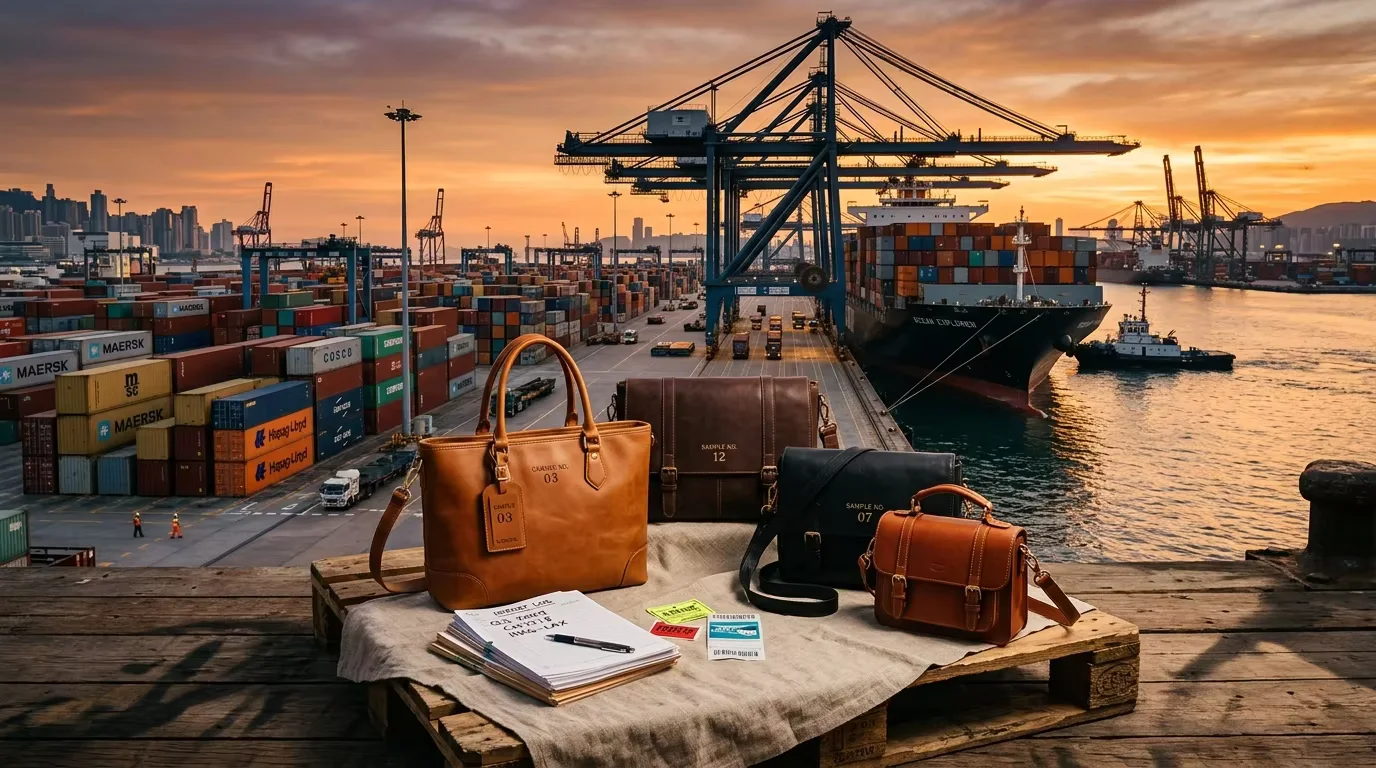
A qualified freight forwarder may coordinate transport and shipment documents. Customs classification, duty, tax and clearance questions should be checked with a licensed customs professional for the destination.
Confirm the shipment-document requirements for the specific product, origin, destination and date with the relevant official authority and qualified logistics and customs professionals. Record the agreed document responsibilities in the current quotation and order documents.
Ocean freight from Guangzhou to major Western ports takes 25–35 days. Air freight takes 5–7 days but typically costs 4–6x more. For first orders where you need to validate market response quickly, air freight may be worth the premium. For established repeat orders, ocean freight is almost always the right choice economically.
B2B Buyer Checklist
Before you request a quote, prepare the information that affects MOQ, sample cost, lead time and final unit price.
- Target product category, size and reference images.
- Expected order quantity per style and per color.
- Material preference, lining requirements and hardware finish.
- Logo method, packaging items and delivery country.
- Target retail price or target factory price range.
Decision Table
| Buyer Question | Why It Matters | What to Send the Factory |
|---|---|---|
| What is my MOQ target? | MOQ affects material sourcing, production planning and unit price. | Quantity per style, per color and launch schedule. |
| Which material should I choose? | Material controls price band, durability and brand positioning. | Reference photos, desired texture and target market. |
| How much customization do I need? | Logo, lining, hardware and packaging change sample time and cost. | Logo files, packaging references and required details. |
| What is my delivery deadline? | Sampling, production and shipping need realistic planning. | Launch date, delivery country and preferred shipping method. |