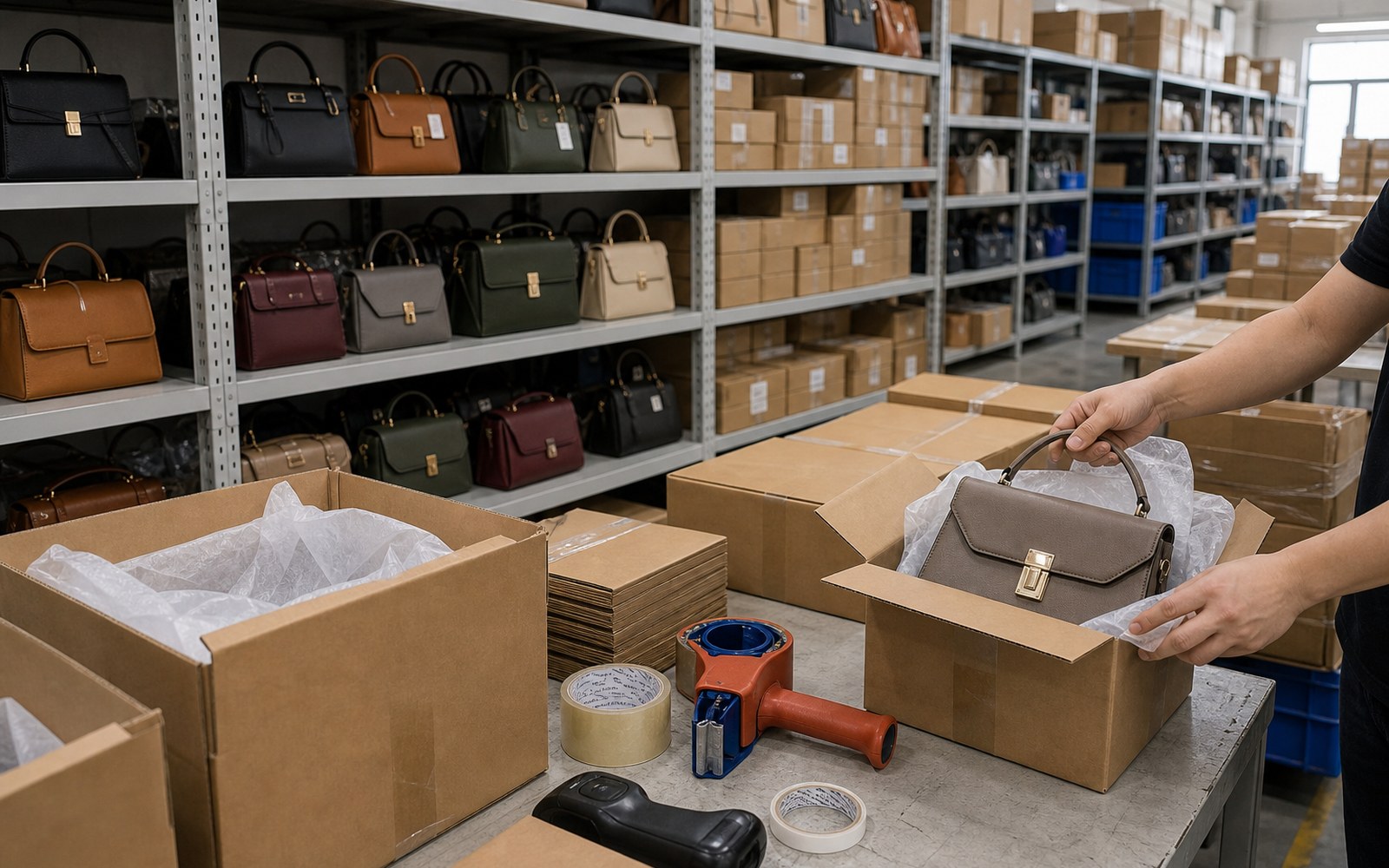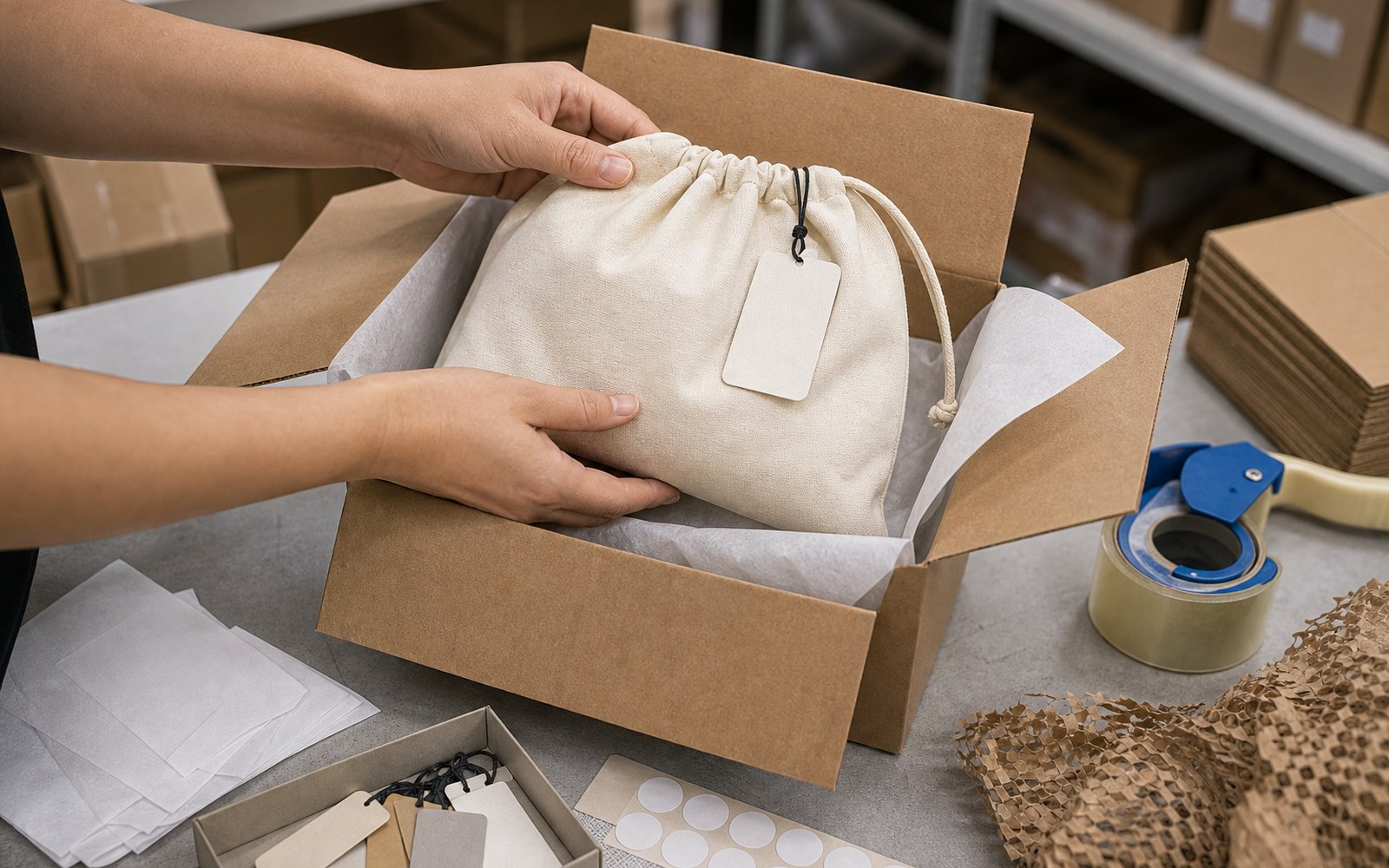
Finding the right manufacturing partner is the single most critical decision for any fashion accessories brand. While platforms like Alibaba and Global Sources have made it incredibly easy to connect with suppliers in China, separating genuine, high-quality factories from trading companies (middlemen) remains a major challenge.
This comprehensive B2B sourcing guide outlines the exact process used by professional sourcing managers to find, audit, and partner with a reliable handbag manufacturer in China.
1. Distinguishing True Manufacturers from Trading Companies
When browsing online B2B directories, over 70% of the listed 'suppliers' are actually trading companies, not direct factories. While trading companies have their place, partnering directly with an OEM/ODM handbag manufacturer like Celynora offers significant advantages: direct pricing, flexible MOQs, and direct control over quality.

Here is how to identify a true handbag factory:
- Business License Scope: Ask for the Chinese Business License (营业执照). Look for words like 'Manufacturing' (制造/生产) rather than just 'Trading' (贸易/商贸).
- Product Specialization: A true factory specializes. If a supplier sells leather handbags, canvas backpacks, scarves, and jewelry all under the same profile, they are undoubtedly a trading company. A real handbag factory focuses on bags and leather goods.
- On-Site Audits and Certifications: Ask for their factory audit reports (BSCI, SGS, ISO9001). Trading companies rarely possess these specialized certifications in their own name.
2. Key Areas to Evaluate During a Factory Audit
Once you have shortlisted potential manufacturers, you must audit their production capabilities. If you cannot visit the factory in person in Guangzhou (China's leather goods manufacturing capital), you can hire third-party inspection services (like SGS or QIMA) or request a live video tour.
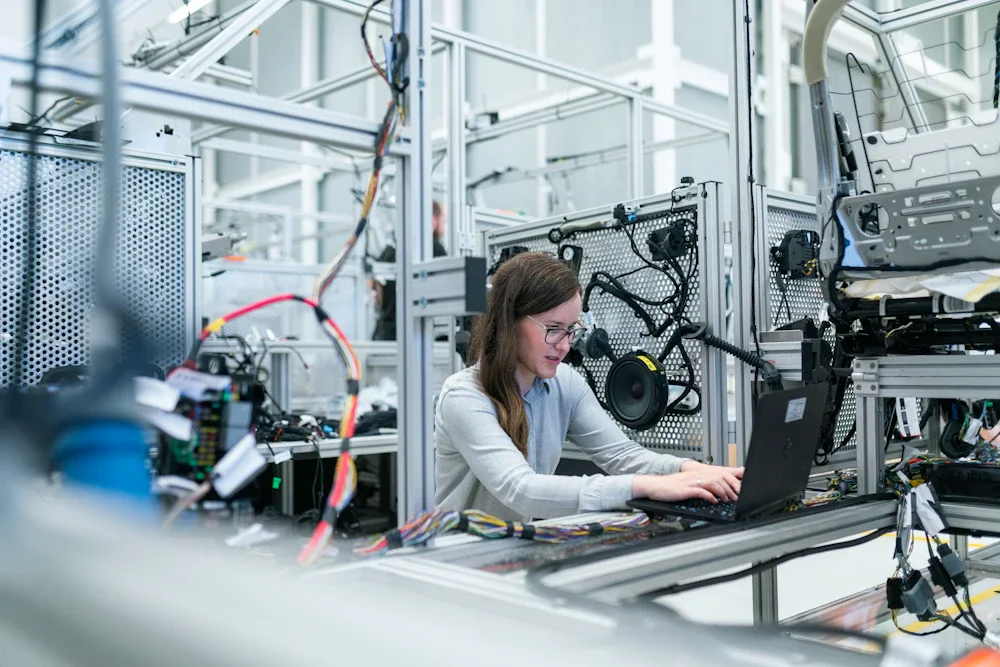
During the audit, focus on these critical areas:
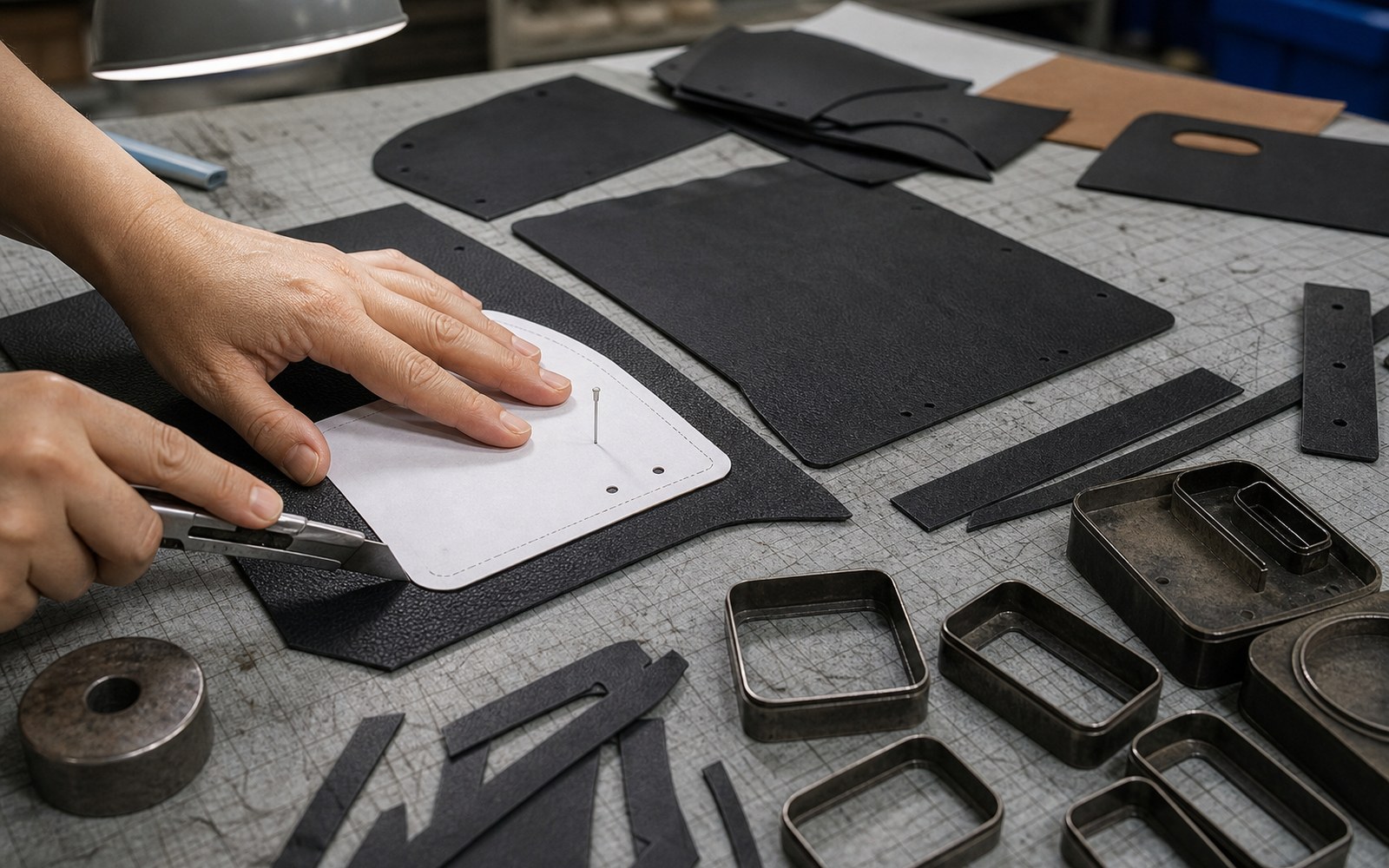
- Machinery & Equipment: Ensure they have high-precision computer sewing machines, automatic leather splitting machines, and edge-painting ovens.
- Artisan Skill Level: Look at the alignment of the stitches and the neatness of the edge paint on finished items. Leather crafting remains highly dependent on manual skill.
- R&D and Prototyping: A reliable factory should have a dedicated sample development room with experienced pattern makers who can transform your 2D sketches into professional 3D physical samples.
3. Communication, Sampling, and Contract Security
Once the audit is successful, initiate the development phase with a single sample project. A professional manufacturer will sign a comprehensive Non-Disclosure Agreement (NDA) to protect your original designs.
Always specify your quality standards (e.g., AQL 1.5 or AQL 2.5) in the purchase contract before wire transfers. True partners will stand behind their production with robust quality guarantees, providing replacements or credits for any defectives discovered during final inspection.
Conclusion
Finding a trustworthy manufacturer in Guangzhou's competitive leather market takes time, diligence, and structured verification. By skipping the trading middlemen and partnering directly with an established specialist like Celynora, you secure the pricing power, quality control, and scalable supply chain required to grow your brand globally.
B2B Buyer Checklist
Before you request a quote, prepare the information that affects MOQ, sample cost, lead time and final unit price.
- Target product category, size and reference images.
- Expected order quantity per style and per color.
- Material preference, lining requirements and hardware finish.
- Logo method, packaging items and delivery country.
- Target retail price or target factory price range.
Decision Table
| Buyer Question | Why It Matters | What to Send the Factory |
|---|---|---|
| What is my MOQ target? | MOQ affects material sourcing, production planning and unit price. | Quantity per style, per color and launch schedule. |
| Which material should I choose? | Material controls price band, durability and brand positioning. | Reference photos, desired texture and target market. |
| How much customization do I need? | Logo, lining, hardware and packaging change sample time and cost. | Logo files, packaging references and required details. |
| What is my delivery deadline? | Sampling, production and shipping need realistic planning. | Launch date, delivery country and preferred shipping method. |