Every season, the gap between runway direction and commercial reality creates opportunity for the brands that can translate trend signals quickly and accurately into production briefs. For AW 2026, the signals from the major fashion weeks are unusually coherent — and the commercial implications for B2B handbag brands are significant.
Here is our analysis of the key trends shaping the AW 2026 handbag market, and how to act on them.
Trend 1: The Return of Structure
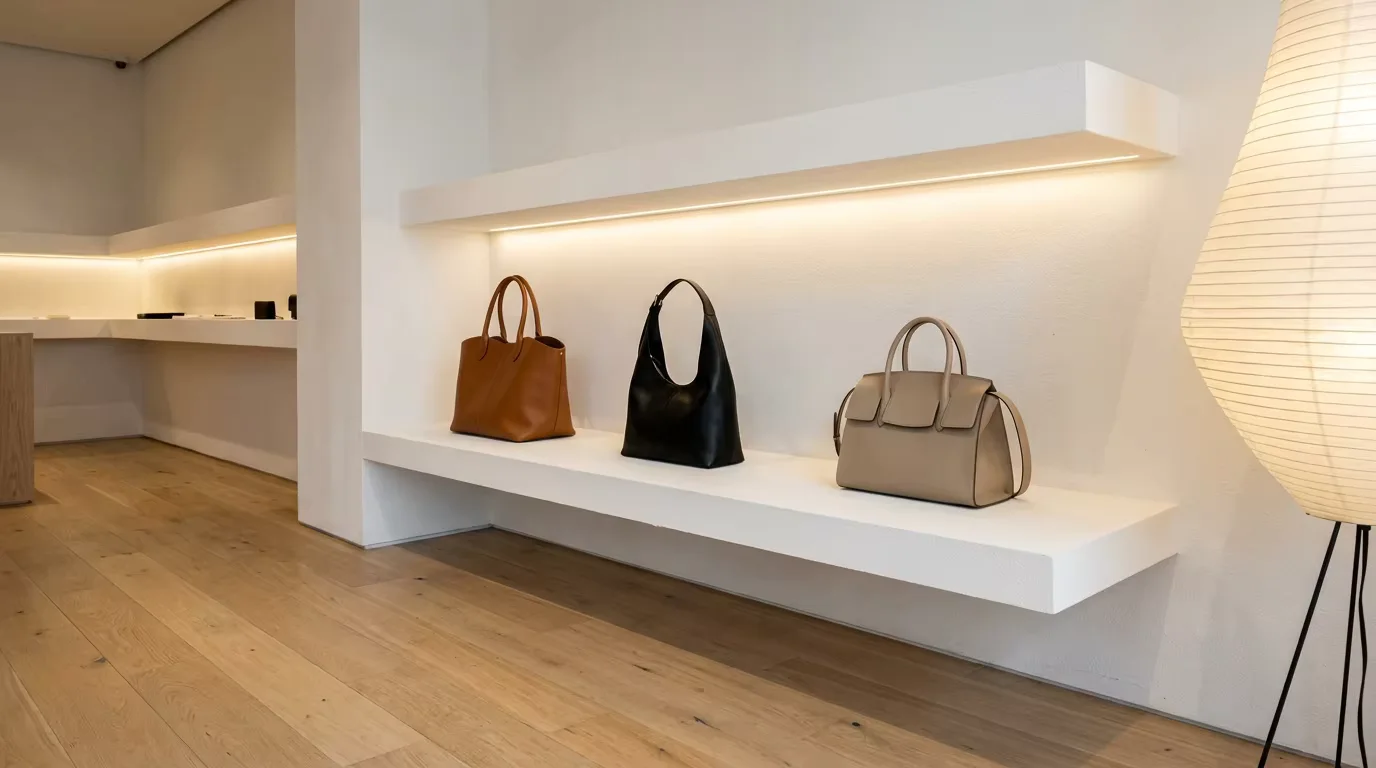
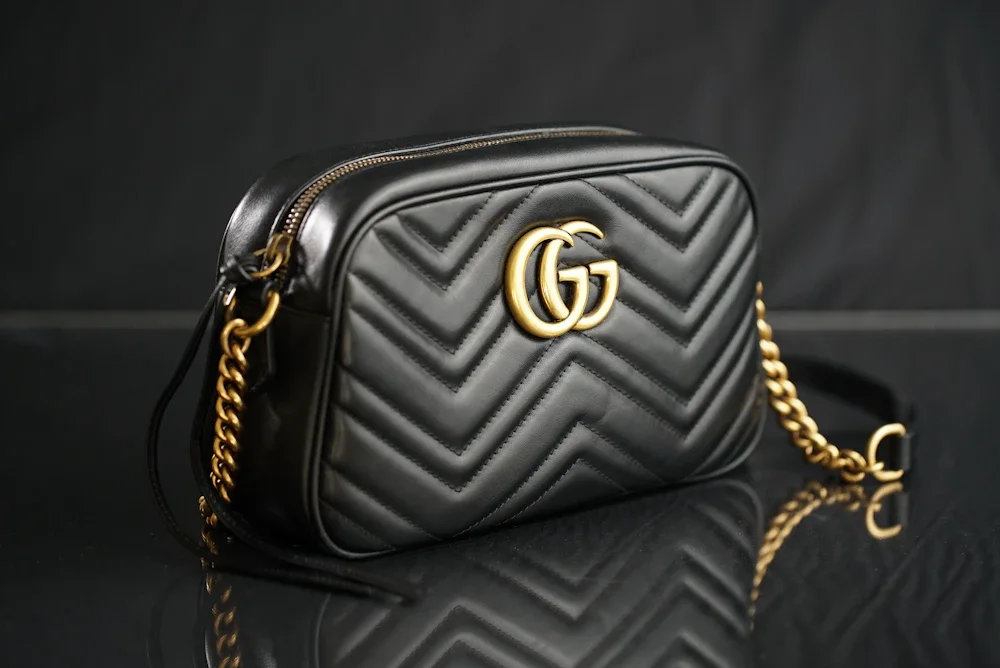
After two consecutive seasons dominated by the slouchy, unstructured 'pillow bag' aesthetic, structured silhouettes are making a definitive comeback. The AW 2026 runways were dominated by rigid box bags, boxy shoulder bags with defined corners, and architectural frame bags with visible internal structure.
For B2B brands, this shift has direct production implications. Structured bags require heavier internal interlinings, often a combination of composite board and reinforced canvas, that add both cost and craftsmanship requirements. Factories without dedicated structural expertise tend to produce structured bags that lose their shape within months of retail.
Trend 2: Oversized Totes — Functional Luxury
Simultaneously — and seemingly in contradiction to the structured trend — the oversized, generously proportioned tote continues to dominate commercial sales data. The key distinction is in the material: AW 2026's oversized totes are in rich, heavyweight leathers rather than the lightweight canvases that dominated previous seasons.
The commercial appeal is clear: a large-format, genuinely luxurious leather tote addresses a real consumer need (carrying capacity) with a premium material story. It photographs well, has strong gifting appeal, and is easy to style across multiple consumer demographics.
For production planning, oversized leather totes require significantly more raw material per unit and are heavier to ship — factor both into your cost modeling.
Trend 3: Crossbody Remains Dominant in Units
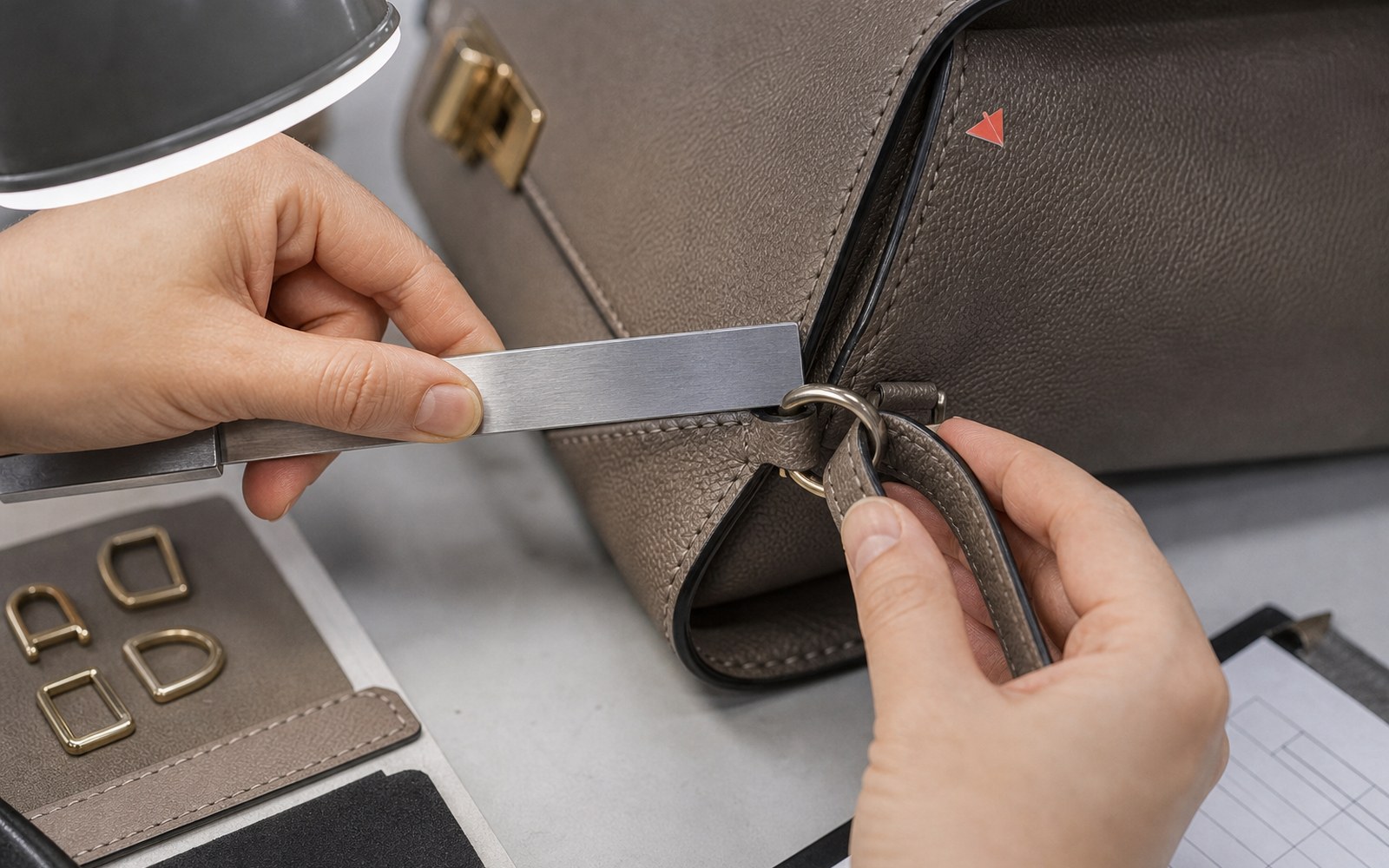
While totes drive revenue and structured bags drive editorial attention, the crossbody bag continues to dominate unit volume across all market segments. The AW 2026 iteration of the crossbody is characterized by:
- Longer, adjustable straps with visible hardware detail
- Slightly wider profiles than the narrow crossbodies of recent seasons
- Flap closures with substantial hardware (turn-locks, push-locks) rather than zip closures
Trend 4: Material Stories — Texture and Grain
Color and silhouette are leading the trend conversation for AW 2026, but material texture is the differentiating factor at the premium tier. The most commercially compelling material directions are:
- Pebbled and tumbled leathers: High tactile interest, forgiving in wear (hides scratches well), strong quality perception.
- Smooth vegetable-tanned: Rich, clean surface that develops a patina. Strong appeal to the quality-educated consumer.
- Suede accents: As a trim detail rather than a full-bag material — suede panels, tabs, or interior linings add texture contrast without the fragility of a full suede construction.
How to Act on These Trends
For brands planning AW 2026 production now, we recommend:
- Prioritize one structured style in your collection — even a single architectural piece anchors the collection editorially
- Include at least one oversized leather tote as a commercial workhorse
- Maintain 2–3 crossbody styles as your volume drivers
- Specify textured leather (pebbled or tumbled) for at least half your styles to ensure quality perception holds across a range of price points
Conclusion
AW 2026 rewards brands that can hold two ideas simultaneously: the architectural precision of structured design, and the generous, tactile luxury of premium leather at generous proportions. The commercial sweet spot is finding styles that deliver both — and executing them with the craftsmanship quality that makes premium pricing defensible.
B2B Buyer Checklist
Before you request a quote, prepare the information that affects MOQ, sample cost, lead time and final unit price.
- Target product category, size and reference images.
- Expected order quantity per style and per color.
- Material preference, lining requirements and hardware finish.
- Logo method, packaging items and delivery country.
- Target retail price or target factory price range.
Decision Table
| Buyer Question | Why It Matters | What to Send the Factory |
|---|---|---|
| What is my MOQ target? | MOQ affects material sourcing, production planning and unit price. | Quantity per style, per color and launch schedule. |
| Which material should I choose? | Material controls price band, durability and brand positioning. | Reference photos, desired texture and target market. |
| How much customization do I need? | Logo, lining, hardware and packaging change sample time and cost. | Logo files, packaging references and required details. |
| What is my delivery deadline? | Sampling, production and shipping need realistic planning. | Launch date, delivery country and preferred shipping method. |