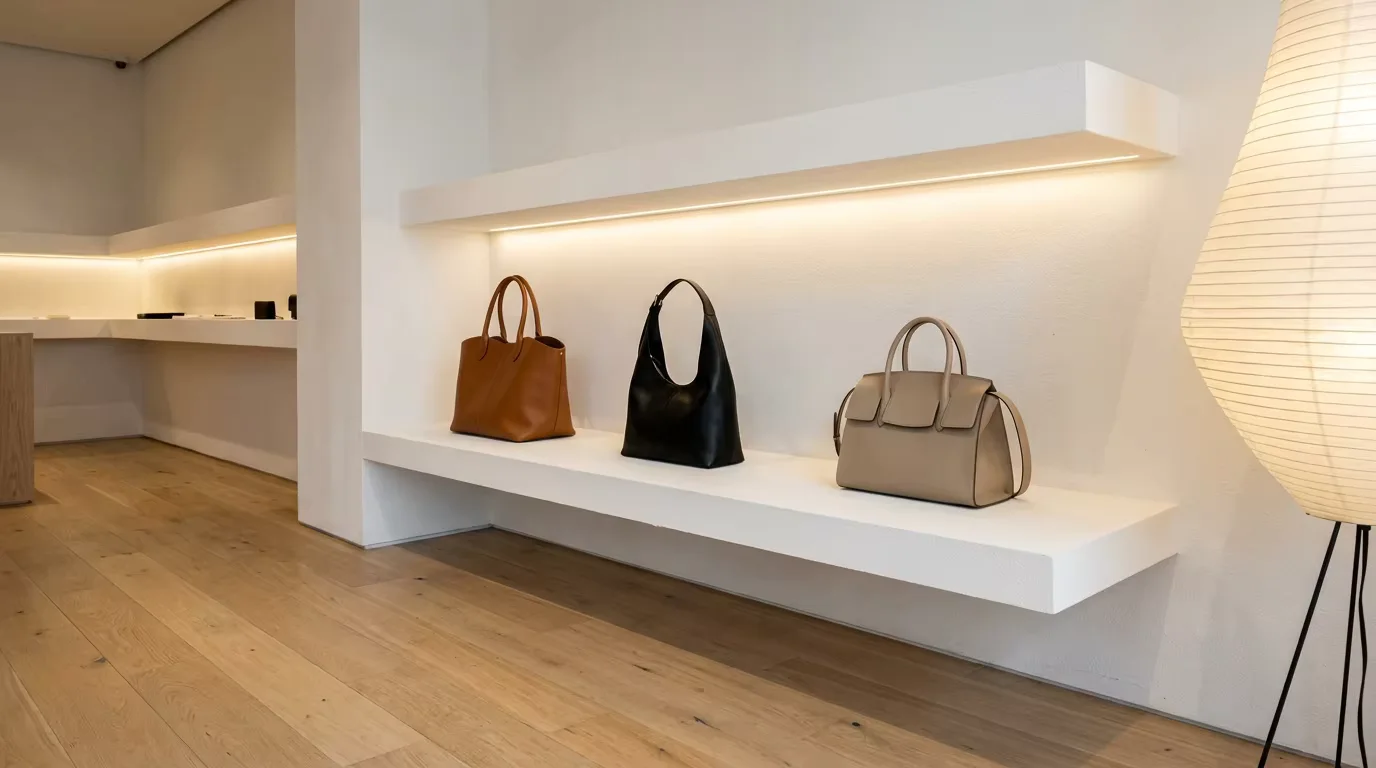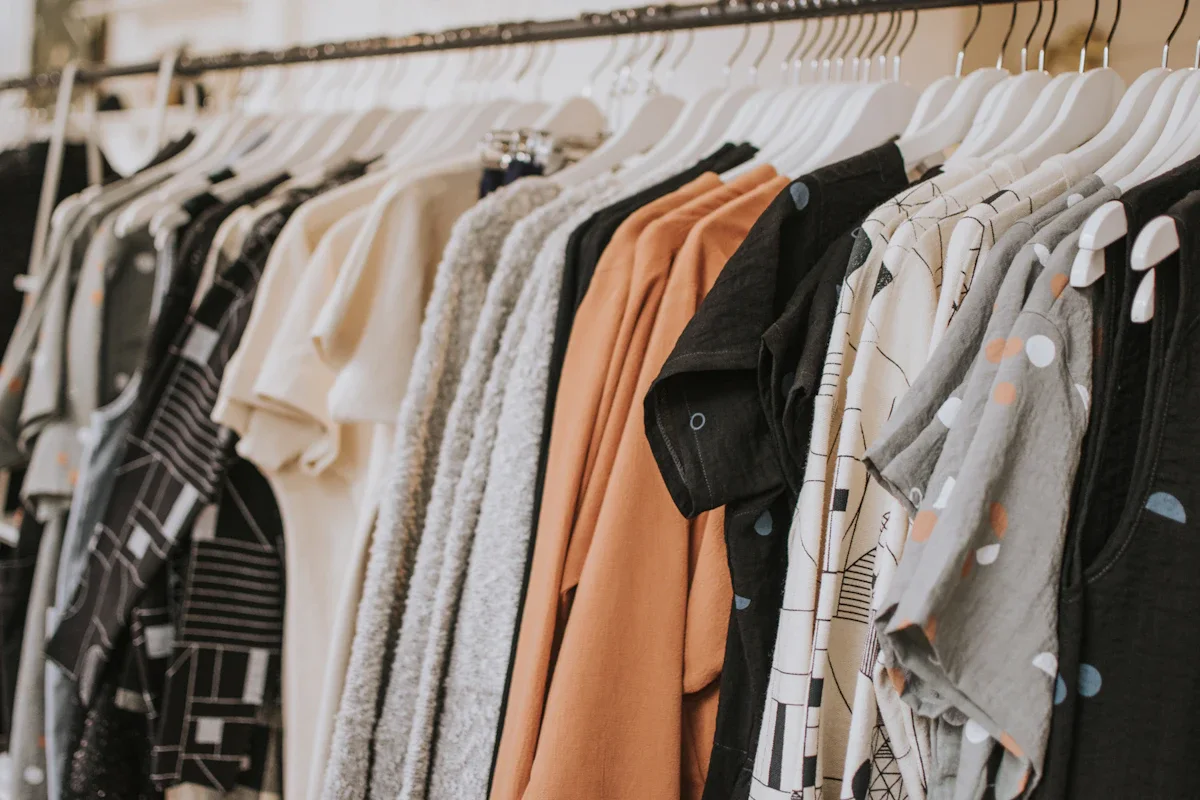
As we approach 2026, the handbag manufacturing industry is undergoing its most significant transformation in decades. From the production hubs of Guangzhou to the retail floors of Milan, the focus has shifted from mere volume to 'Responsible Excellence'.
Modern buyers no longer settle for standard designs; they expect ethical material sourcing, digital prototyping, and transparent shipping loops.
1. The Rise of Bio-Based Leathers
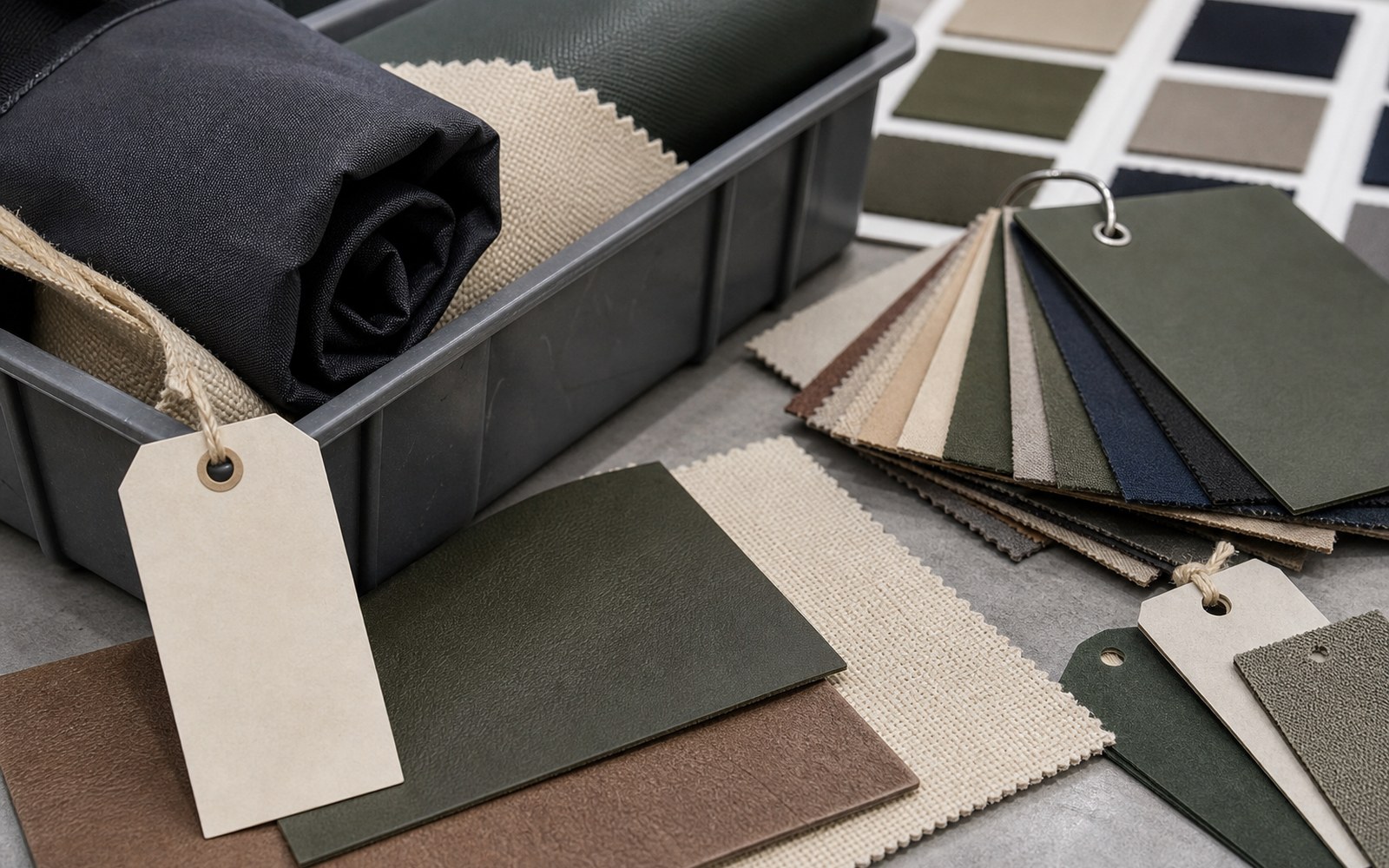
Sustainability is no longer an optional marketing bullet—it is a strict market entry requirement. Brands are increasingly moving away from traditional petrochemical-based PVC and toward premium, bio-based alternatives. These include apple leather, pineapple fiber (Piñatex), and mycelium-based mushroom materials.
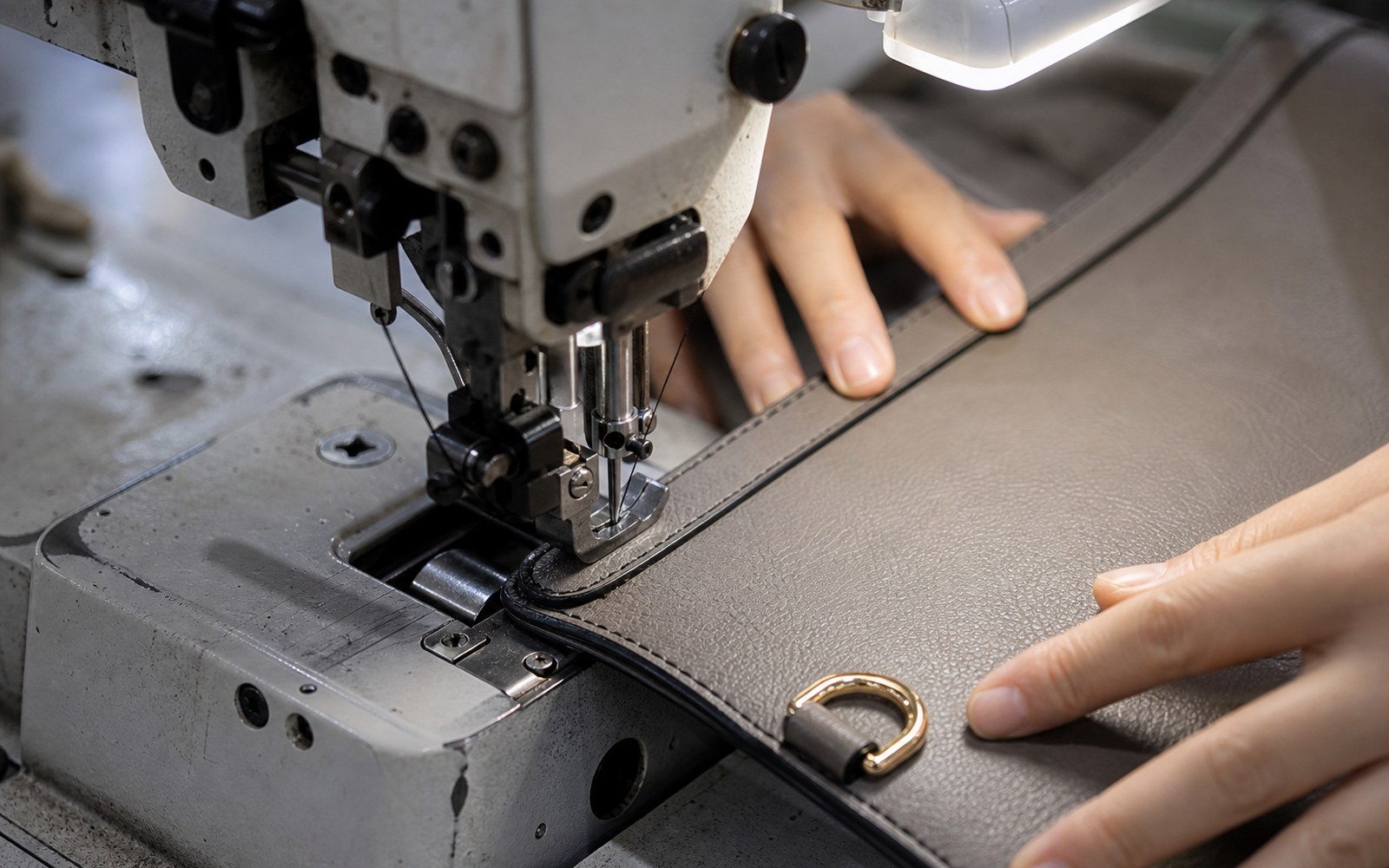
At Celynora, we have fully integrated certified bio-based vegan leathers and GRS (Global Recycled Standard) lining fabrics into our OEM supply chain, helping our B2B partners comfortably meet their domestic and international ESG compliance targets.
2. Smart Manufacturing & Digital Prototyping
Speed-to-market is the ultimate competitive edge in the modern fashion landscape. By implementing advanced 3D digital prototyping software, we can now reduce the physical sample development cycle from 15 days to just 72 hours.

This digital-first strategy allows global design teams to collaborate in real-time, making instant adjustments to seam styles, pocket locations, and hardware finishes without wasting physical hides or incurring unnecessary courier costs.
3. Full Transparency in the Supply Chain
International luxury buyers and regulatory bodies now demand complete transparency. Leading factories are adopting blockchain-compatible ERP systems to track every raw hide, lining canvas, and custom hardware buckle from its initial source to the final shipping container.
This ensures that every handbag shipped from our Shiling Town, Huadu District facility carries verifiable proof of ethical labor practices, sustainable materials, and rigorous quality assurance.
Conclusion
Navigating the future of handbag manufacturing requires an agile, forward-thinking partner that understands both traditional craft and modern smart manufacturing. Founded in 2005, Celynora remains committed to leading this charge through continuous innovation, material exploration, and absolute supply chain transparency.
B2B Buyer Checklist
Before you request a quote, prepare the information that affects MOQ, sample cost, lead time and final unit price.
- Target product category, size and reference images.
- Expected order quantity per style and per color.
- Material preference, lining requirements and hardware finish.
- Logo method, packaging items and delivery country.
- Target retail price or target factory price range.
Decision Table
| Buyer Question | Why It Matters | What to Send the Factory |
|---|---|---|
| What is my MOQ target? | MOQ affects material sourcing, production planning and unit price. | Quantity per style, per color and launch schedule. |
| Which material should I choose? | Material controls price band, durability and brand positioning. | Reference photos, desired texture and target market. |
| How much customization do I need? | Logo, lining, hardware and packaging change sample time and cost. | Logo files, packaging references and required details. |
| What is my delivery deadline? | Sampling, production and shipping need realistic planning. | Launch date, delivery country and preferred shipping method. |