The backpack versus shoulder bag decision comes up regularly in wholesale collection planning, particularly as brands consider expanding beyond their initial category focus. Both formats have strong wholesale markets, both serve female consumers across a wide age range, and both are available across the full material spectrum from canvas to luxury leather. The commercial logic for choosing between them, or for offering both, is less obvious than it might appear.
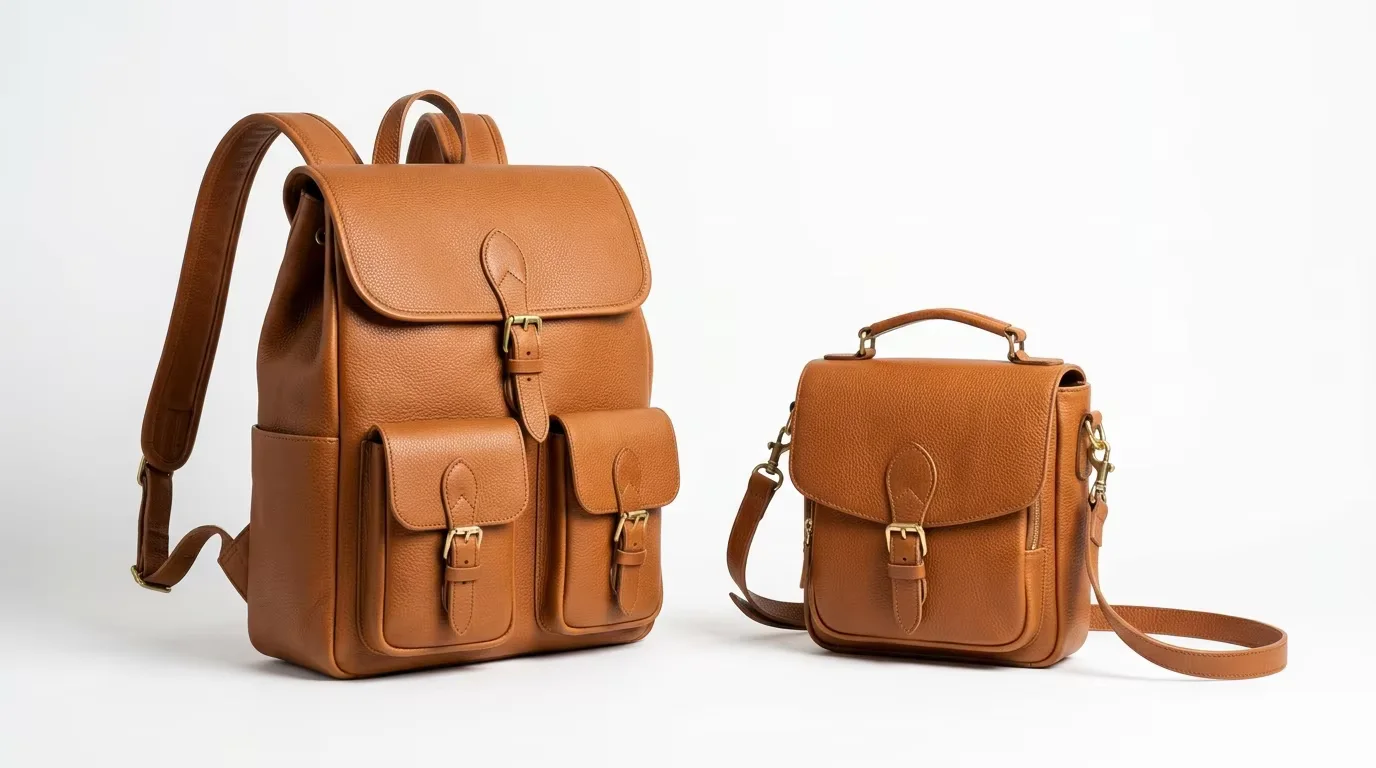
How Each Format Actually Functions
The Backpack
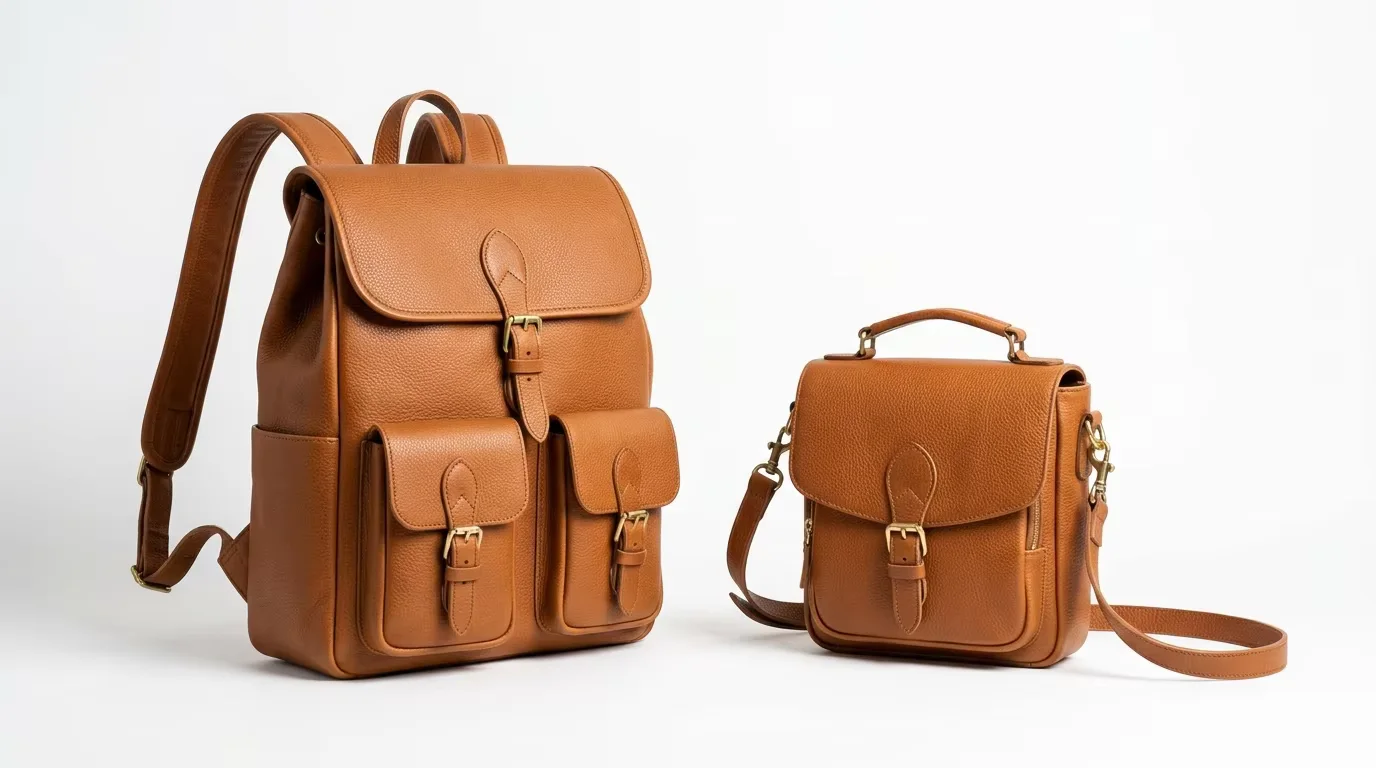
A backpack distributes load across both shoulders via twin straps worn on the back. This carry method is the most ergonomically efficient for heavy loads — the weight is centered on the body's strongest muscle groups rather than concentrated on one shoulder. For consumers who carry laptops, books, gym gear, or daily work essentials, a backpack is functionally superior to any other bag format.
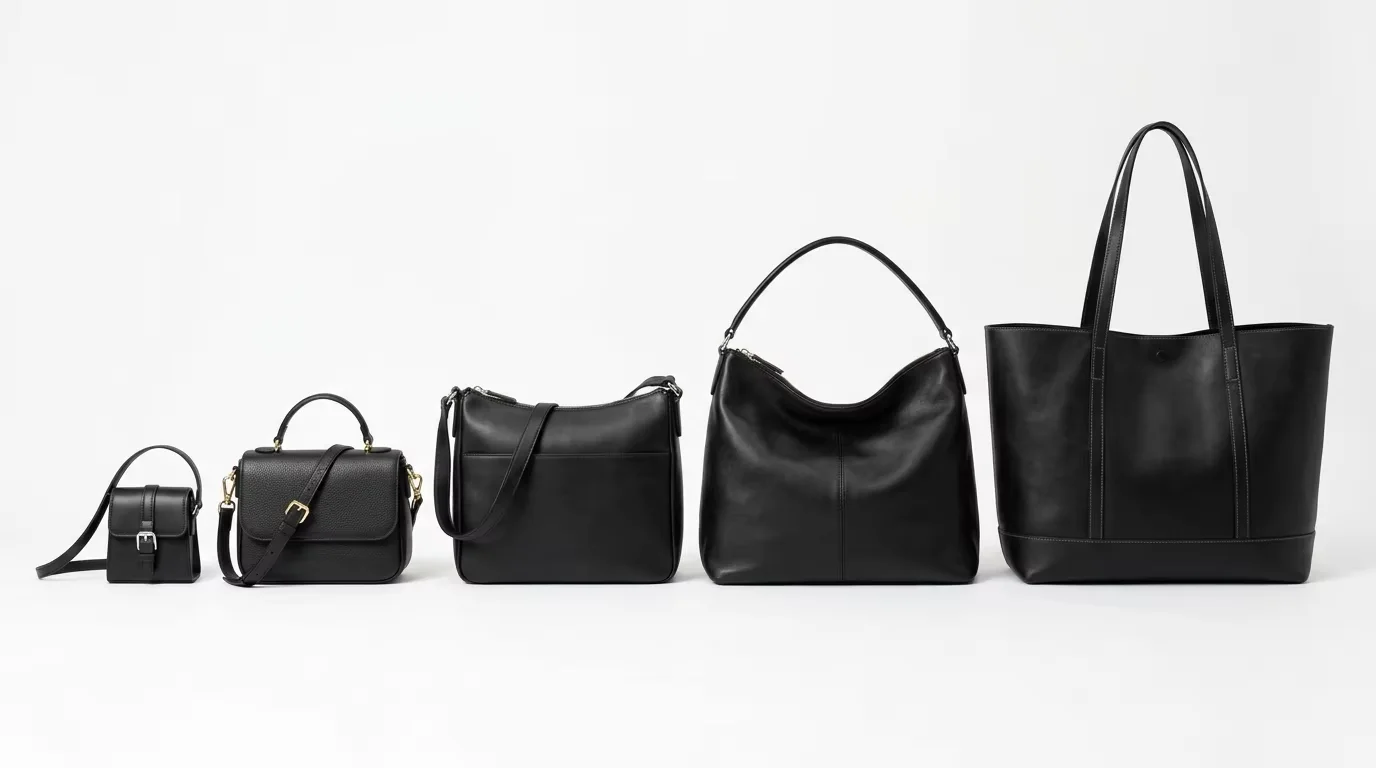
Women's fashion backpacks exist across a wide spectrum: from the compact mini backpack (W22–26cm, primarily a fashion accessory) to the medium everyday backpack (W28–35cm, genuine functional carry) to the large travel backpack (W36–45cm, weekend and travel format). Each sub-format has distinct commercial characteristics and should not be treated as interchangeable in collection planning.
The Shoulder Bag
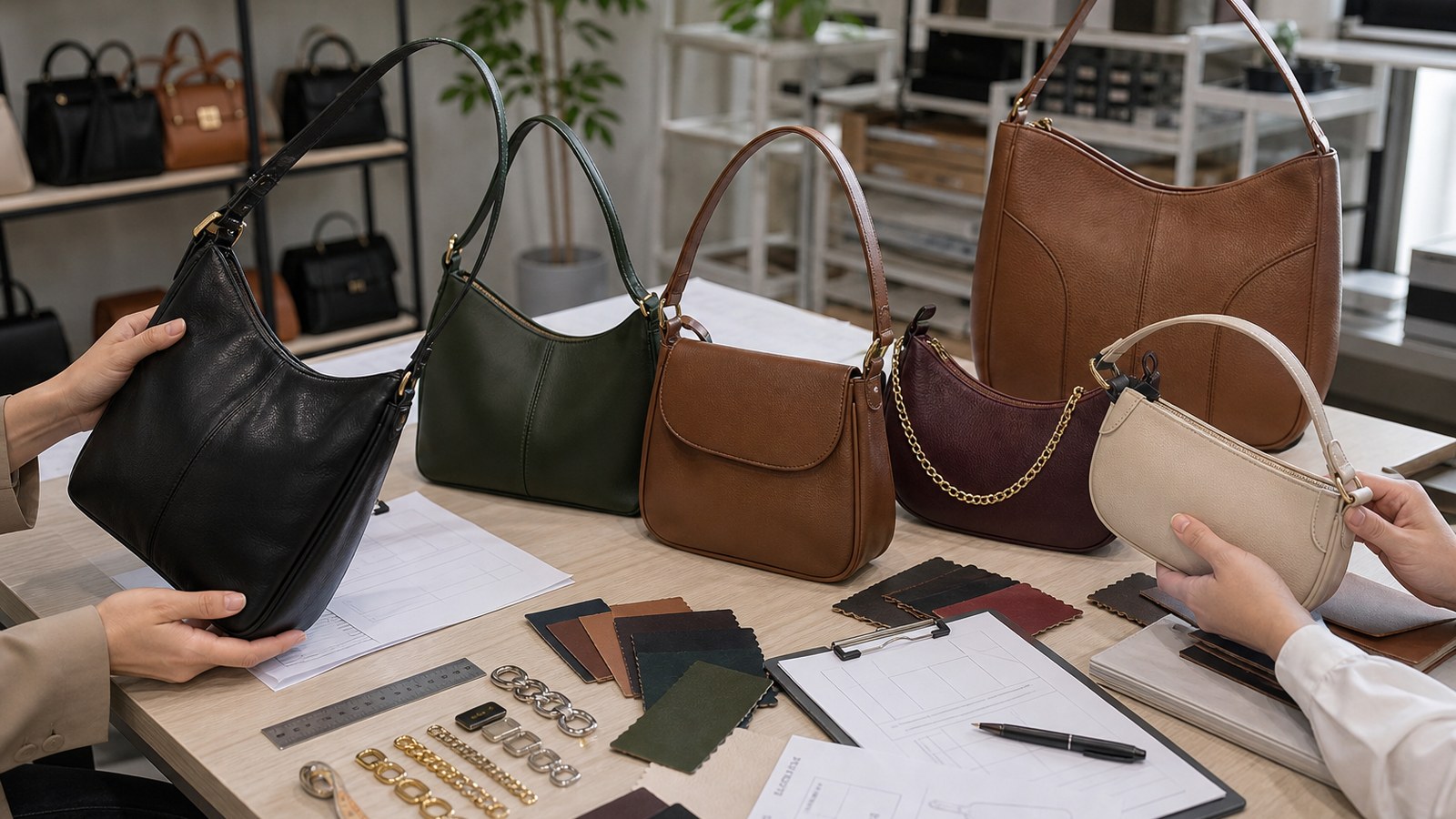
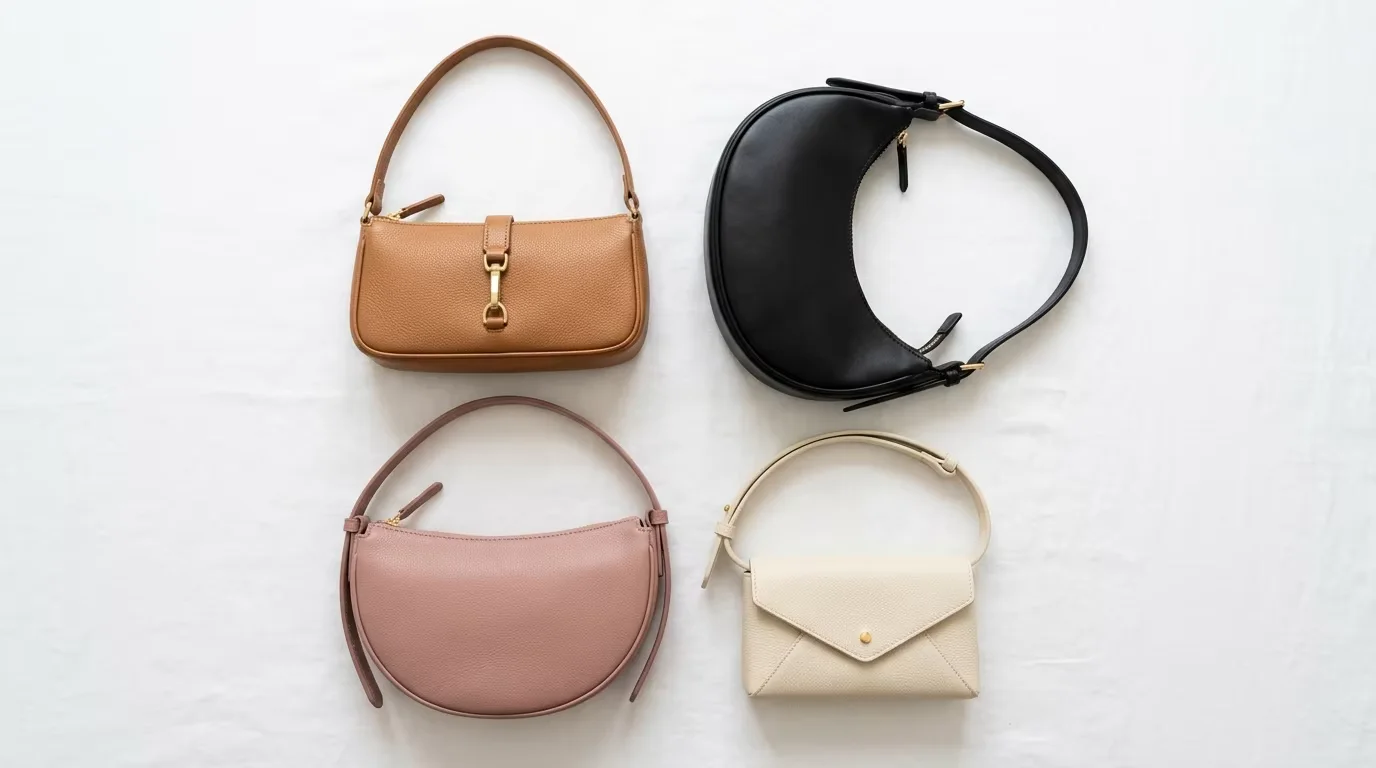
A shoulder bag carries on one shoulder via a single strap, positioning the bag at hip or waist level for everyday access. It is less ergonomically efficient than a backpack for heavy loads but significantly more practical for frequent access — reaching into a shoulder bag requires no repositioning, while accessing a backpack requires removing it from the back or contorting awkwardly.
Shoulder bags have stronger fashion association and broader styling versatility than backpacks — they work across casual, professional, and formal contexts in a way that backpacks typically do not. A leather shoulder bag reads as appropriately polished for a business meeting; most backpacks do not.
Commercial Performance Comparison

Volume: Shoulder bags consistently outperform backpacks on unit volume in most fashion retail channels. The broader styling versatility and stronger fashion association give shoulder bags wider demographic reach. Backpacks have stronger volume in specific channels: student retail, outdoor and travel retail, and commuter-focused brands.
Price point: Backpacks typically achieve lower retail prices than comparably constructed shoulder bags at the same quality level. Consumer price sensitivity for backpacks is higher because the functional comparison set (basic canvas backpacks at $20–40) anchors expectations downward. Premium leather backpacks can overcome this anchoring, but it requires stronger brand positioning and storytelling.
Demographics: Backpacks index strongly with 18–32 year olds (student and early-career demographics) and have particular strength in Korean and Japanese-influenced fashion markets. Shoulder bags have broader demographic coverage — strong from 22 to 55+ — and outperform backpacks in professional and premium retail contexts.
Seasonality: Both formats are year-round, but backpacks have a distinct late-summer/early-autumn peak aligned with back-to-school and academic year starts in Western markets. Planning production and delivery to arrive in retail by late July or early August captures this peak effectively.
Interior Organisation: The Key Differentiator
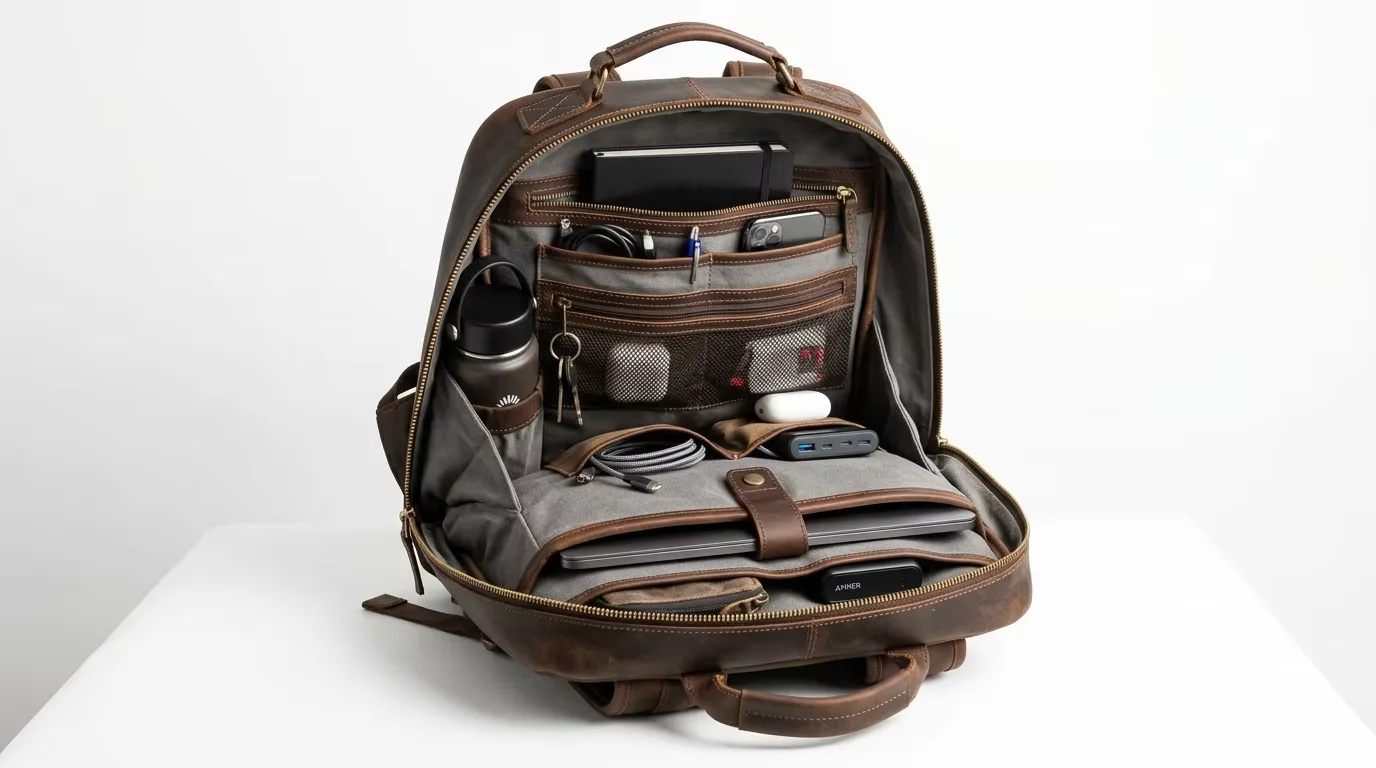
The interior specification of a backpack matters more than for most other bag formats because backpack customers are explicitly motivated by carrying capacity and organisation. Minimum specification for a commercially credible everyday backpack: padded laptop sleeve (fits 13-inch minimum), at least one exterior zip pocket, two interior compartments, and a water bottle pocket or key clip. Backpacks that lack these basics will underperform in daily-carry channels regardless of exterior quality.
Shoulder bags, by contrast, can succeed with minimal interior organisation — many premium shoulder bags have a single main compartment with one zip pocket, which is sufficient for the accessory-forward customer who prioritises how the bag looks over organisational complexity.
Which to Choose for Your Collection
Start with shoulder bags if: your brand targets 25+ female consumers, professional or fashion-forward channels, or you are building a premium leather brand where styling versatility and fashion association are primary values. Add backpacks if: your existing customer base includes a significant student or young professional segment, you serve commuter or travel retail channels, or you want to expand into the functional-carry market with a capsule of two to three well-specified styles.
Avoid adding backpacks as an afterthought to a shoulder-bag-led collection without investing in proper interior specification — an under-specified backpack in a premium leather collection is worse than no backpack, because it signals a disconnect between the brand's quality commitment and the product's functional execution.
B2B Buyer Checklist
Before you request a quote, prepare the information that affects MOQ, sample cost, lead time and final unit price.
- Target product category, size and reference images.
- Expected order quantity per style and per color.
- Material preference, lining requirements and hardware finish.
- Logo method, packaging items and delivery country.
- Target retail price or target factory price range.
Decision Table
| Buyer Question | Why It Matters | What to Send the Factory |
|---|---|---|
| What is my MOQ target? | MOQ affects material sourcing, production planning and unit price. | Quantity per style, per color and launch schedule. |
| Which material should I choose? | Material controls price band, durability and brand positioning. | Reference photos, desired texture and target market. |
| How much customization do I need? | Logo, lining, hardware and packaging change sample time and cost. | Logo files, packaging references and required details. |
| What is my delivery deadline? | Sampling, production and shipping need realistic planning. | Launch date, delivery country and preferred shipping method. |